 https://auction.ridesafely.com/images/2026/08/rear-end-damage-cars-banner.jpg
865
1440
RideSafely
/images/2025/01/ridesafely-logo.svg
RideSafely2026-08-25 11:10:002026-08-25 13:29:41Rear-End Damage Cars: Easier to Repair Than You Think?
https://auction.ridesafely.com/images/2026/08/rear-end-damage-cars-banner.jpg
865
1440
RideSafely
/images/2025/01/ridesafely-logo.svg
RideSafely2026-08-25 11:10:002026-08-25 13:29:41Rear-End Damage Cars: Easier to Repair Than You Think?Imagine a bustling marketplace, filled with excitement, anticipation, and the smell of opportunity in the air. That’s the essence of a car auction. Here, vehicles are put up for sale to the highest bidder, creating a fast-paced environment where deals happen in real time. Car auctions serve as an efficient way for sellers to offload vehicles quickly while giving buyers a chance to score great deals on a wide range of automobiles.
A Brief History of Car Auctions
Car auctions have roots that trace back to the early 20th century, evolving from small, in-person events into the high-tech, global marketplaces we see today. Initially designed for dealerships and trade insiders, the rise of online platforms has democratized the process, allowing anyone with an internet connection to participate.
Types of Car Auctions
Dealer-Only Auctions
Some car auctions are exclusive, open only to licensed dealerships. These events allow dealers to buy and sell inventory efficiently, usually at wholesale prices. It’s a closed loop, designed to keep the best deals within the automotive industry. With so many formats available, even individuals can access auctions without needing a dealer license.
Public Car Auctions
Open to everyone, public car auctions are where average buyers can get in on the action. These events might include surplus government vehicles, trade-ins, or cars repossessed by banks. Public auctions are a treasure hunt, often yielding surprising finds for sharp-eyed buyers.
Online Car Auctions
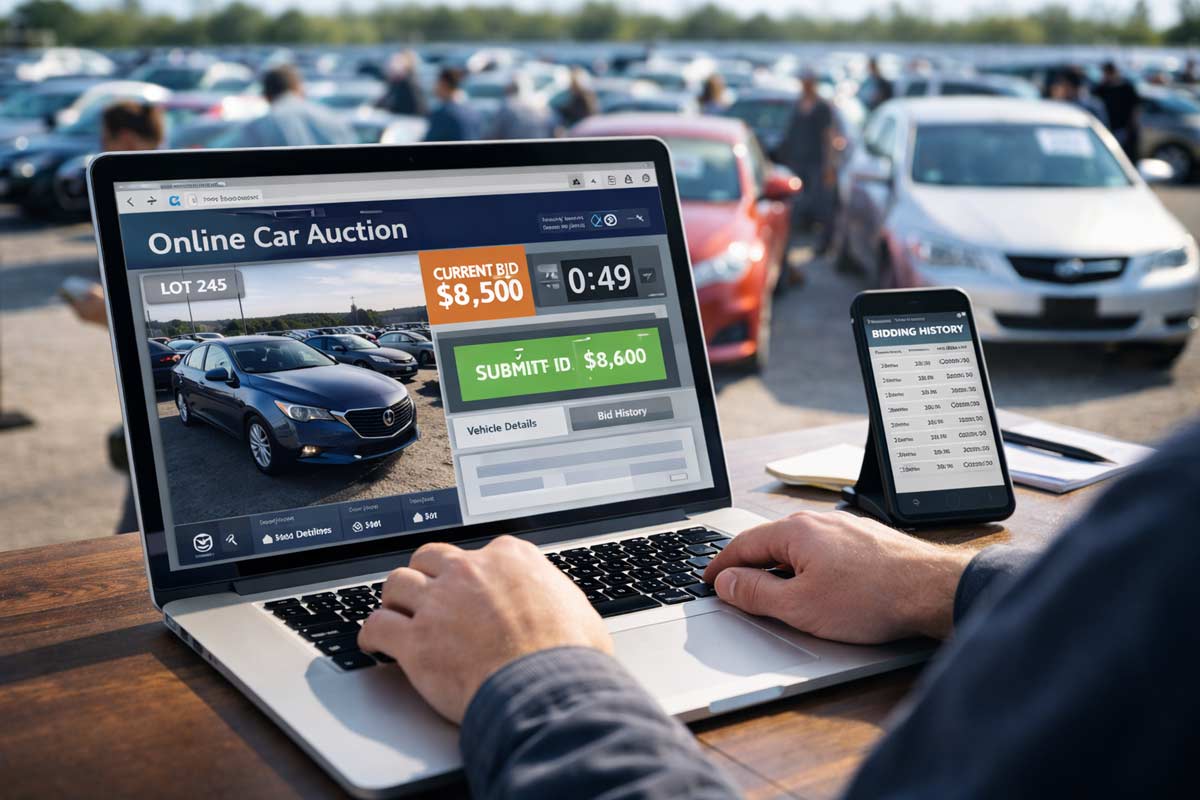
Thanks to technology, you don’t have to leave your couch to bid on your next ride. Online car auctions bring a vast selection to your fingertips, breaking down geographical barriers and offering unprecedented convenience. Photos, vehicle history, and bidding tools make it easy to shop from anywhere.
Specialty & Classic Car Auctions
Looking for something rare or collectible? Specialty auctions cater to vintage, luxury, or exotic vehicles. These events attract enthusiasts, collectors, and investors searching for the next crown jewel for their garage.
Top Reasons Cars Are Sold at Auction
Lease Returns and Rental Cars
When leases end, or rental agencies rotate their fleets, those vehicles often head straight to auction. This allows companies to refresh their offerings while ensuring the outgoing cars are sold quickly and efficiently.
Trade-Ins from Dealerships
Dealerships frequently take trade-ins, but not every car fits their sales strategy or meets retail standards. Rather than letting these cars gather dust, they’re sent to auction to find new owners.
Bank Repossessions & Financial Recovery
Financial hardship can lead to repossessions. Banks and lenders recover these vehicles and use auctions to recoup as much of their investment as possible, moving inventory rapidly and minimizing losses.
Salvage & Insurance Vehicles
Accidents happen. When cars are declared a total loss by insurance companies, they end up at salvage auctions. Buyers here might include rebuilders, parts dealers, or those seeking project cars.
Government and Fleet Vehicles
Government agencies and large corporations often manage substantial fleets. When vehicles age out or policies change, auctions provide a straightforward way to liquidate assets.
Aging or Overstocked Inventory
Sometimes, it’s a matter of space and strategy. Dealerships and companies with overstocked or aging vehicles turn to auctions to clear room and free up capital for fresh inventory.
The Car Auction Process Explained
How Cars Are Prepared for Auction
Preparation is key. Vehicles are cleaned, inspected, and sometimes reconditioned to maximize value. Auction houses may provide detailed reports, photos, and vehicle histories to inform potential bidders.
Bidding Methods and Buyer Participation
Bidding can be exhilarating. In-person auctions feature fast-talking auctioneers and lively crowds, while online auctions use digital platforms. Buyers place bids against each other, and the highest bidder at the close wins the car. It’s competitive, transparent, and efficient.
Who Sells Cars at Auction?
Dealerships
Dealerships use auctions as a vital part of their remarketing strategy, selling trade-ins, aging inventory, and vehicles that don’t fit their target market.
Financial Institutions
Lenders and banks sell repossessed vehicles at auction to recover outstanding loans. These cars are often newer and maintained, but the sale is all about speed.
Rental & Fleet Companies
Fleet managers, from rental agencies to corporate fleets, regularly refresh their vehicles. Auctions provide a channel to sell cars in volume, quickly and efficiently.
Private Sellers
Occasionally, individuals turn to auctions when they want a rapid sale or wider exposure than traditional classifieds offer.
Why Sellers Prefer Auctions Over Private Sales
Speed of Sale
Time is money. Auctions compress the sales process, delivering results in days rather than weeks or months. The highest bidder takes the car, eliminating the need for prolonged negotiations.
Broader Buyer Pool
Auctions attract a diverse array of buyers, from dealers to the public, giving sellers access to more potential bidders and often driving prices higher.
Lower Selling Costs
Selling privately can involve advertising, repairs, and haggling. Auctions offer a streamlined, one-stop process, often at lower cost and with less hassle for sellers.
Benefits of Buying Cars at Auction
Competitive Pricing
Buyers love auctions for the potential to secure vehicles at below-retail prices. The competitive format often leads to real bargains.
Access to Unique Inventory
Auctions are a gold mine for unique finds, such as classic cars, rare models, or vehicles not available on standard dealer lots. If you want to maximize your investment, it helps to spot profitable cars before you bid.
Transparency and Vehicle History
Modern auctions emphasize transparency, offering vehicle history reports, detailed inspections, and clear terms. This helps buyers make informed decisions. If you’re concerned about ownership history, check out our guide on clean title cars to know what to look for before you bid.
Potential Risks and How to Avoid Them
Buyer Protections
Not every auction vehicle is perfect. Some may have hidden issues. Many auctions now offer limited guarantees, arbitration policies, or allow third-party inspections to protect buyers.
Tips for First-Time Bidders
- Research: Know the vehicle’s market value, history, and typical issues.
- Inspect: If possible, review the car in person or request a condition report.
- Set a Budget: Decide your max bid and stick to it.
- Understand Fees: Auctions often charge buyer premiums, so be sure to factor these into your budget.
Every buyer wants the best deal, but it’s smart to weigh car auction pros and cons before placing your first bid.
The Future of Car Auctions
Online Innovations and Technology
Digital disruption is redefining car auctions. Virtual bidding, AI-powered inspections, and real-time data analytics are streamlining the process, making it more accessible and efficient for all.
Sustainability in Vehicle Remarketing
With sustainability top of mind, many auctions are adopting green practices, such as reducing waste, improving recycling, and supporting the remarketing of electric and hybrid vehicles.
Conclusion
Car auctions are the unsung heroes of the automotive world, offering a fast, efficient, and possibility-filled experience for buyers and sellers alike. Whether you’re a dealer clearing inventory, a bank recovering assets, or a car enthusiast chasing your dream ride, auctions offer a transparent, competitive, and often exciting way to buy and sell vehicles. The next time you see a car cruising down the street, remember: its journey may have started with the gavel’s bang at an auction.
Frequently Asked Questions
Are cars at auction cheaper than at dealerships?
Often, yes. Auctions can offer vehicles at below-retail prices, but buyers should research and inspect thoroughly.
Is it safe to buy a car at auction?
Is it safe to buy a car at auction? It can be. Reputable auctions provide vehicle histories and inspection options, but due diligence is essential. The RideSafely team has you covered and can help you navigate the car auction process.
Can anyone attend a car auction?
Some auctions are open to the public, while others are dealer-only. Online platforms like RideSafely have made it easier for most buyers to access these auctions.
What should I look for before bidding?
Check the car’s condition, title status, vehicle history, and understand all fees associated with the auction.
Do auction cars come with warranties?
Most auction cars are sold “as-is,” but it depends on the vehicle’s year and mileage. Some cars you buy at auction might still have a manufacturer’s warranty.
What People Are Saying

You might also like
https://auction.ridesafely.com/images/2026/08/rear-end-damage-cars-banner.jpg
865
1440
RideSafely
/images/2025/01/ridesafely-logo.svg
RideSafely2026-08-25 11:10:002026-08-25 13:29:41Rear-End Damage Cars: Easier to Repair Than You Think? https://auction.ridesafely.com/images/2026/08/best-us-car-auctions-overseas-buyers-banner.jpg
865
1440
RideSafely
/images/2025/01/ridesafely-logo.svg
RideSafely2026-08-18 12:42:212026-08-18 13:53:28Best U.S. Car Auctions for Overseas Buyers
https://auction.ridesafely.com/images/2026/08/best-us-car-auctions-overseas-buyers-banner.jpg
865
1440
RideSafely
/images/2025/01/ridesafely-logo.svg
RideSafely2026-08-18 12:42:212026-08-18 13:53:28Best U.S. Car Auctions for Overseas Buyers https://auction.ridesafely.com/images/2026/08/car-brands-hold-value-auction-banner.jpg
865
1440
RideSafely
/images/2025/01/ridesafely-logo.svg
RideSafely2026-08-11 13:12:512026-08-11 13:44:30Auction Price Trends: Which Car Brands Hold Value Best?
https://auction.ridesafely.com/images/2026/08/car-brands-hold-value-auction-banner.jpg
865
1440
RideSafely
/images/2025/01/ridesafely-logo.svg
RideSafely2026-08-11 13:12:512026-08-11 13:44:30Auction Price Trends: Which Car Brands Hold Value Best? https://auction.ridesafely.com/images/2026/08/high-roi-auction-cars-bmw-3-series-ridesafely-banner.jpg
865
1440
RideSafely
/images/2025/01/ridesafely-logo.svg
RideSafely2026-08-04 13:08:072026-08-04 13:36:28Best Rebuildable Cars with Strong ROI
https://auction.ridesafely.com/images/2026/08/high-roi-auction-cars-bmw-3-series-ridesafely-banner.jpg
865
1440
RideSafely
/images/2025/01/ridesafely-logo.svg
RideSafely2026-08-04 13:08:072026-08-04 13:36:28Best Rebuildable Cars with Strong ROI https://auction.ridesafely.com/images/2026/07/buy-from-copart-without-dealer-license-banner.jpg
865
1440
RideSafely
/images/2025/01/ridesafely-logo.svg
RideSafely2026-07-28 15:16:292026-07-28 15:20:24How to Buy a Salvage Car from Copart Without a Dealer License
https://auction.ridesafely.com/images/2026/07/buy-from-copart-without-dealer-license-banner.jpg
865
1440
RideSafely
/images/2025/01/ridesafely-logo.svg
RideSafely2026-07-28 15:16:292026-07-28 15:20:24How to Buy a Salvage Car from Copart Without a Dealer LicenseYour RideSafely Questions, Answered
From auction to driveway — we’ve got you covered.
Leave a Reply
Want to join the discussion?Feel free to contribute!