 https://auction.ridesafely.com/images/2026/10/actual-vs-not-actual-mileage-banner.jpg
865
1440
RideSafely
/images/2025/01/ridesafely-logo.svg
RideSafely2026-10-06 14:31:302026-10-13 13:22:41Actual Mileage vs Not Actual Mileage at Car Auctions
https://auction.ridesafely.com/images/2026/10/actual-vs-not-actual-mileage-banner.jpg
865
1440
RideSafely
/images/2025/01/ridesafely-logo.svg
RideSafely2026-10-06 14:31:302026-10-13 13:22:41Actual Mileage vs Not Actual Mileage at Car AuctionsShopping for a used car for a teen driver involves balancing cost, safety, and reliability. Auctions, mainly online venues like RideSafely, offer a compelling avenue to acquire a vehicle at a lower price than traditional dealerships. For a broader understanding of what’s available, consider exploring our detailed overview in the article, Explore the Diverse Range of Vehicles Available at RideSafely.
Here, we explore how to navigate the complexities of car auctions to secure a dependable car for your teenager without compromising safety or value.
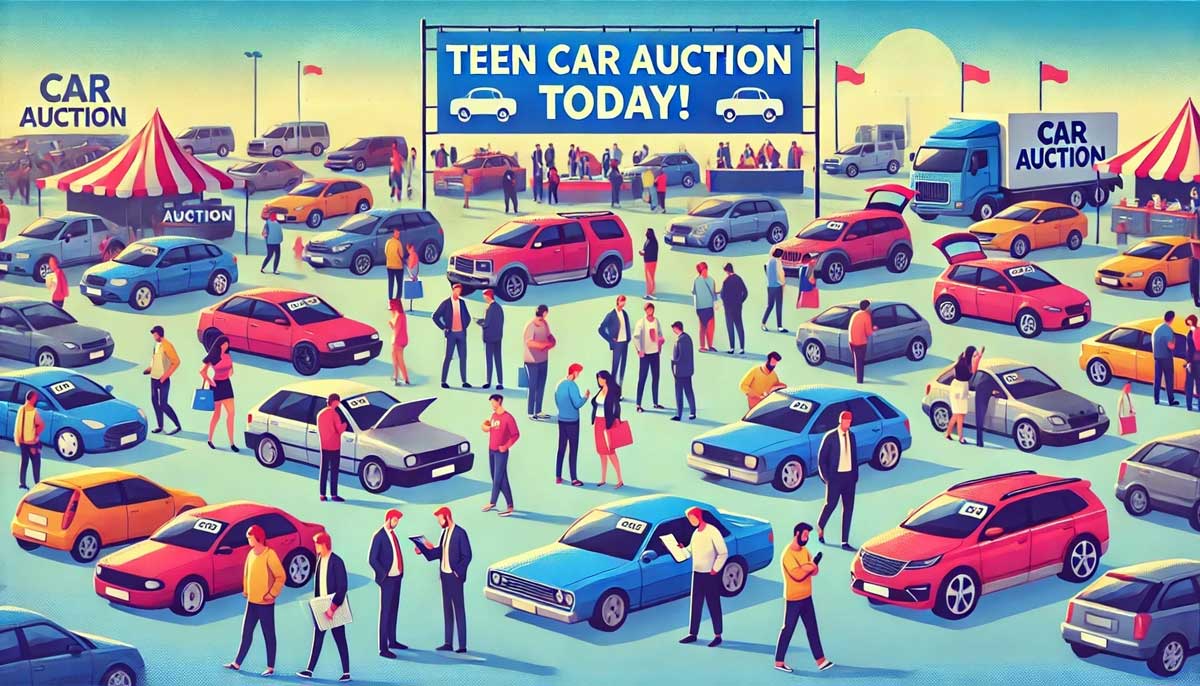
Understanding the Auction Market for Teen Cars
Affordability and Availability
Cars at auctions often come from bulk sales, including repossessions and dealership trade-ins. These vehicles may be more affordable than those found at dealers, presenting a budget-friendly option for parents. However, it’s crucial to approach these deals with caution, as auction cars may come with hidden costs in maintenance or necessary repairs.
The First Car: Practicality Over Prestige
Setting Realistic Expectations
The first car for a teen is rarely brand new, nor should it be. The responsibilities of car ownership, such as maintenance, insurance, and taxes, provide valuable learning opportunities. By choosing a sturdy used car, you can minimize these overheads while providing a practical tool for your teen to manage.
Key Considerations When Choosing a Teen’s Car
Safety Features
Young drivers often take risks, making robust safety features a priority. Opt for cars with low horsepower to limit high-speed temptations. Essential safety features should include modern airbags, reliable brakes, and quality tires. Organizations like the IIHS provide lists of vehicles recommended for teen drivers. Some of the recommended options include:
- Small Cars:
- Toyota Corolla (sedan or hatchback): Sedan (2017 or newer); Hatchback (2019 or newer)
- Toyota Prius: 2017 or newer
- Honda Civic (sedan or hatchback): 2021 or newer
- Midsize Cars:
- Toyota Camry: 2018 or newer
- Volvo S60: 2017 or 2021
- Volvo V60: 2017 or 2021
- Subaru Legacy: 2019 or newer
- Hyundai Sonata: 2021 or newer
- Honda Accord (sedan): Combines safety with affordability
- Small SUVs:
- Mazda CX-5: 2016 or newer
- Hyundai Kona: 2018 or 2019
- Honda CR-V: 2015 or 2019
- Chevrolet Equinox: 2018 or 2019
- Honda HR-V : 2017 or 2022
- Toyota RAV4: 2015 or 2016
- GMC Terrain: 2018 or 2019
This selection balances safety with affordability for teen drivers.
Reliability and Longevity
Select brands known for their durability to avoid frequent repairs. The expected lifespan of the vehicle should align with your teen’s needs—whether it’s lasting through college or just for high school.
Resale Value
Consider cars with a high resale value. Auctions may offer vehicles at lower prices, but a car that holds its value will provide better financial returns if you decide to sell it later.
Effective Strategies for Buying at Auctions
1. Thorough Research
Investigate the auction house’s reputation and read reviews on specific vehicle models. Understanding common issues and the true market value of your preferred models will guide you in making a more informed bid. If you’re new to car auctions and concerned about entry requirements, delve into our guide on How to Buy Cars at Auctions Without a Bid Card or Dealer License.
2. Inspect Vehicle History and Condition
Before bidding, review the vehicle’s history reports and inspect it thoroughly if possible. Check for any recalls and verify that the car has not experienced rollover or flood damage, as these cars require professional knowledge to restore properly. For a step-by-step approach to your first auction, consider reading The Auto Auction Guide for First-Time Bidders.
3. Consider Performance Needs
Focus on torque rather than horsepower, especially for driving in challenging terrains like hilly areas. A well-torqued car ensures safer uphill drives.
4. Consult a Mechanic
Involve a professional mechanic who can identify potential problems and validate the car’s condition, ensuring you invest in a reliable vehicle. They can also provide insights if you’re considering a former rental car, which you can read more about in our Smart Guide to Buying Former Rental Cars.
5. Plan for the Future
Assess the long-term viability of the car, considering factors like fuel efficiency, repair costs, and availability of spare parts. Avoid models with notoriously high maintenance costs.
6. Avoid Impulsive Decisions
Stay focused during auctions and resist flashy but impractical features. Prepare a list of essential questions and features to keep the negotiation on track and ensure you get a fair deal.
Concluding Advice
Purchasing a used car for a teen at an auction requires careful planning and consideration. Focus on reputable auctions and vehicles with proven safety records and reliability. By prioritizing essential features and conducting thorough research, you can secure a car that provides both safety and value, ensuring a wise investment in your teen’s mobility and responsibility.
FAQs for Navigating Teen Car Purchases at Auctions
Why consider buying a used car at an auction for a teen?
Auctions can provide significantly lower prices compared to dealership costs. They offer a wide range of vehicles, including trade-ins and repossessions, which can be a budget-friendly option for families.
What safety features should I prioritize when choosing a car for my teenager?
Focus on vehicles with advanced safety features such as airbags, anti-lock braking systems, electronic stability control, and tires that offer good traction. Low horsepower is also advisable to discourage speeding.
How can I ensure the reliability of a car bought at auction?
Opt for well-known brands recognized for their durability. Check the vehicle’s service history, consult with a mechanic, and read reviews about the model’s long-term performance.
What should I know about the car’s resale value?
Consider models that maintain their value well over time. Look for cars that are in high demand in the used car market, as these will be easier to sell at a competitive price later.
How do I prepare for a car auction?
Start by researching the auction house and the types of cars available. Determine your budget and the features you need in a car. If possible, visit the auction site early to inspect the cars and check their history reports.
What are the common pitfalls to avoid at car auctions?
Avoid getting caught up in the excitement of bidding which can lead to overspending. Be wary of cars with no service records or those that require significant repairs. Always have a maximum bid in mind and stick to it.
Can I bring a mechanic to an auction?
Yes, it’s highly recommended to bring a mechanic to inspect the car before you bid. They can provide valuable insights into the car’s condition and potential future expenses.
Are there any additional costs when buying a car at an auction?
Besides the winning bid amount, be prepared for possible buyers’ fees, documentation fees, and any immediate maintenance or repairs the car may need.
How do I check if the car has been in any accidents?
Review the vehicle history report for any records of accidents or major repairs. This information can typically be obtained through services like CarFax or AutoCheck.
What if the car I bought at an auction has problems?
Most auctions are sold “as is, where is,” with no return policies. Before bidding, review the auction’s terms and conditions regarding returns or disputes. If you choose not to proceed, you will be subject to a relist or backout fee, which ranges from $600 to 15% of the winning bid price, whichever is greater.
What People Are Saying

You might also like
https://auction.ridesafely.com/images/2026/10/actual-vs-not-actual-mileage-banner.jpg
865
1440
RideSafely
/images/2025/01/ridesafely-logo.svg
RideSafely2026-10-06 14:31:302026-10-13 13:22:41Actual Mileage vs Not Actual Mileage at Car Auctions https://auction.ridesafely.com/images/2026/09/auction-car-with-no-keys-buyer-guide-banner.jpg
865
1440
RideSafely
/images/2025/01/ridesafely-logo.svg
RideSafely2026-09-29 12:05:282026-10-06 13:50:49Auction Cars With No Keys What to Know Before You Bid
https://auction.ridesafely.com/images/2026/09/auction-car-with-no-keys-buyer-guide-banner.jpg
865
1440
RideSafely
/images/2025/01/ridesafely-logo.svg
RideSafely2026-09-29 12:05:282026-10-06 13:50:49Auction Cars With No Keys What to Know Before You Bid https://auction.ridesafely.com/images/2026/09/parts-only-salvage-auction-guide-banner.jpg
865
1440
RideSafely
/images/2025/01/ridesafely-logo.svg
RideSafely2026-09-22 12:45:062026-09-22 13:35:34What Does Parts Only Mean at a Salvage Auction?
https://auction.ridesafely.com/images/2026/09/parts-only-salvage-auction-guide-banner.jpg
865
1440
RideSafely
/images/2025/01/ridesafely-logo.svg
RideSafely2026-09-22 12:45:062026-09-22 13:35:34What Does Parts Only Mean at a Salvage Auction? https://auction.ridesafely.com/images/2027/07/auction-damage-codes-banner.jpg
865
1440
RideSafely
/images/2025/01/ridesafely-logo.svg
RideSafely2026-09-15 10:49:542026-09-15 13:09:23How to Decode Auction Damage Codes
https://auction.ridesafely.com/images/2027/07/auction-damage-codes-banner.jpg
865
1440
RideSafely
/images/2025/01/ridesafely-logo.svg
RideSafely2026-09-15 10:49:542026-09-15 13:09:23How to Decode Auction Damage Codes https://auction.ridesafely.com/images/2026/09/popular-salvage-vehicles-by-category-banner.jpg
972
1619
RideSafely
/images/2025/01/ridesafely-logo.svg
RideSafely2026-09-08 11:58:462026-09-08 13:12:02The Most Popular Salvage Vehicles by Category
https://auction.ridesafely.com/images/2026/09/popular-salvage-vehicles-by-category-banner.jpg
972
1619
RideSafely
/images/2025/01/ridesafely-logo.svg
RideSafely2026-09-08 11:58:462026-09-08 13:12:02The Most Popular Salvage Vehicles by Category
Leave a Reply
Want to join the discussion?Feel free to contribute!