 https://auction.ridesafely.com/images/2026/10/dealer-only-car-auction-explained-banner.jpg
865
1440
RideSafely
/images/2025/01/ridesafely-logo.svg
RideSafely2026-10-13 13:22:432026-10-13 13:31:05What Does “Dealer Only” Mean at a Car Auction?
https://auction.ridesafely.com/images/2026/10/dealer-only-car-auction-explained-banner.jpg
865
1440
RideSafely
/images/2025/01/ridesafely-logo.svg
RideSafely2026-10-13 13:22:432026-10-13 13:31:05What Does “Dealer Only” Mean at a Car Auction?Buyers and sellers navigating platforms such as Copart, RideSafely, or IAAI need to understand how various factors determine vehicle prices at online car auctions. Below, we break down these factors to help you make informed decisions at every step.
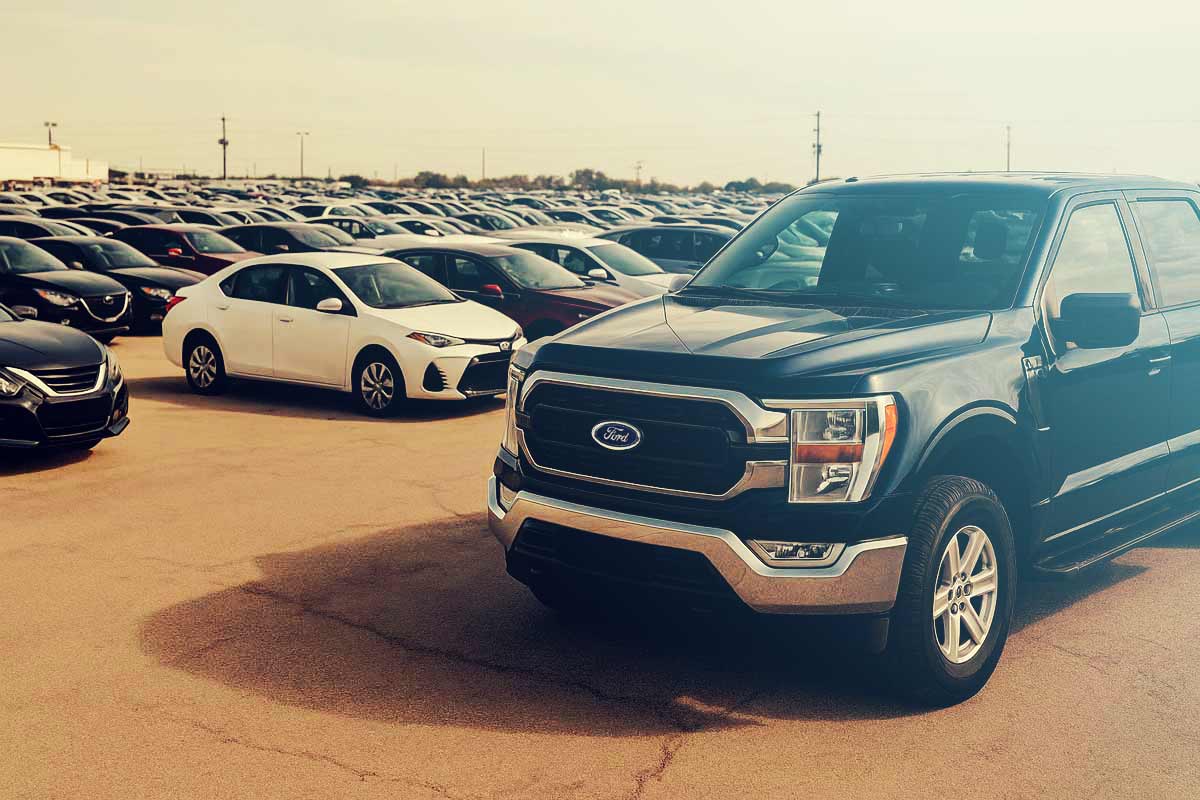
Auction Vehicle Pricing: The Core Components
The price of a vehicle at auction is never arbitrary. It is a dynamic figure shaped by several overlapping factors:
- Seller’s Reserve Price
- Current Market Demand
- Vehicle Condition Report
- Auction Type
- Bidder Activity
These elements combine to set the final sale price through transparent, competitive bidding.
For additional insights on smart bidding strategies, explore our guide on how to win salvage car auctions without losing money.
Seller’s Reserve Price and Minimum Bid
Sellers often set a minimum price, known as a reserve, below which they will not sell the vehicle. The reserve is influenced by:
- Fair Market Value (FMV): Based on Kelley Blue Book, NADA, and auction price guides.
- Insurance Payoff Amount: For salvage vehicles.
- Vehicle Type: Luxury, economy, or specialty vehicles often have varying reserve benchmarks.
- Seller Strategy: Some sellers opt for “No Reserve” listings to encourage higher bidder engagement.
Reserve prices play a significant role in bank and repo auctions, where financial institutions set strict minimums based on loan balances.
Live Bidding vs. Pre-Bidding: How the Auction Flow Impacts Pricing
There are two primary phases affecting vehicle auction pricing:
- Pre-Bidding Phase
- Buyers place early bids before the live auction.
- Helps gauge interest and establish a price floor.
- Live Bidding Phase
- Real-time auction action sets the final price.
- Final price is determined when no higher bids are placed.
Auctions represent one of the purest ways to determine the value of an item. Supply and demand meet in real time to establish the fair market value of what’s being sold. After competitive bidding reveals the highest price a buyer is willing to pay, the seller and buyer agree to a fair exchange.
Market Demand and Vehicle Popularity
The following factors affect bidding competitiveness and final sale prices:
- Seasonal Trends: SUVs and trucks fetch higher prices in winter; convertibles in summer.
- Make and Model Popularity: High-demand models like Toyota Corolla or Ford F-150 consistently draw more bids.
- Fuel Efficiency and EV Incentives: Hybrid and electric vehicles may command premium bids due to rising fuel costs.
Understanding vehicle demand is crucial when you explore the diverse range of vehicles available at RideSafely, from luxury sedans to heavy-duty trucks.
Vehicle Condition and Damage Grading
Auction platforms typically provide a Condition Report or Damage Assessment:
- Run & Drive Verification
- Odometer Reading
- Title Status: Clean, Salvage, Rebuilt
- Cosmetic and Structural Damage Reports
Vehicles with clean titles and minimal damage naturally attract higher pre-bids and final prices.
If you are evaluating salvage-title vehicles, here’s how to determine how much a salvage title car is worth before placing your bid.
How Auction Type Influences Pricing Strategy
Auction format plays a direct role in price setting:
| Auction Type | Characteristics | Pricing Impact |
|---|---|---|
| Pure Sale | No reserve price | Lower starting bids, volatile final prices |
| Minimum Bid | Seller sets minimum accepted bid | More predictable pricing floor |
| Buy It Now | Fixed price purchase option | Instant sale at pre-set price |
| Reserved Auction | Reserve price not disclosed | Can deter low initial bids |
Geographic Factors and Local Demand
Prices vary by auction location and region-specific demand:
- Northern States: Higher demand for AWD vehicles and trucks.
- Southern States: Higher SUV and sedan turnover.
- Export Considerations: Some buyers purchase specifically for export, impacting domestic price trends.
Bidder Psychology: Understanding Emotional vs. Strategic Bidding
Bidding patterns impact final pricing:
- Emotional Bidding: Bidders competing emotionally can drive prices beyond FMV (Fair Market Value).
- Strategic Bidding: Professional buyers use software and bidding strategies to minimize overpayment.
Many first-time bidders learn to turn profits as they gain experience. Discover more in our article on salvage car auctions – turn profits while you learn.
Examples of Real Auction Price Scenarios
| Vehicle | Condition | Starting Bid | Final Sale Price | Notes |
|---|---|---|---|---|
| 2022 Toyota Camry | Clean | $5,000 | $14,200 | Popular sedan, clean title |
| 2020 Ford F-150 | Salvage | $2,500 | $9,800 | High demand for flipping after the reconstruction process |
| 2022 Tesla Model 3 | Clean | $8,000 | $22,500 | High electric vehicle demand |
| 2025 Toyota Corolla | Salvage — US Customers: Parts Only or Export Only | $1,500 | $4,900 | High demand for parts/export |
Transparency in Fee Structures
When calculating total price, buyers must consider:
- Buyer’s Premium (Auction Fee)
- Title Transfer and Documentation Fees
- Transport and Shipping Costs
At RideSafely, for example, we maintain a transparent buy fee of just $299 for any vehicle purchase, with no membership fees and free access to dealer-only auctions without needing a dealer license—ensuring clarity on your total vehicle investment.
Conclusion
Vehicle pricing at online auctions is a multi-layered process influenced by seller strategies, market demand, vehicle condition, and bidding psychology. By understanding these elements, buyers and sellers can better navigate auctions like RideSafely with confidence and precision.
For assistance, visit our Help Center: RideSafely Help Center
For current auctions: RideSafely Auction Listings
Vehicle Auction Pricing Frequently Asked Questions
How is the starting bid determined for a vehicle at auction?
The starting bid is usually set based on the seller’s reserve price, the vehicle’s market value, and auction platform policies. It provides a baseline for competitive bidding but does not guarantee the final sale price.
What is a reserve price in an auto auction?
A reserve price is the minimum amount a seller is willing to accept for a vehicle. If bidding does not reach this amount, the vehicle may not be sold.
Can I see a vehicle’s condition report before bidding?
Yes, most auction platforms provide detailed condition reports, including damage grading, title status, and mechanical information. Always review these reports before placing a bid.
Are there hidden fees beyond the final bid price?
Yes, buyers should account for auction fees, documentation fees, transportation costs, and title transfer fees in addition to the winning bid amount.
Who is allowed to buy at an online auto auction?
Most online auto auctions are closed to the public due to dealer license requirements—they are dealer-only. Platforms like RideSafely allow everyone to participate without a dealer license. Learn more in our article on who can buy at online car auctions.
What People Are Saying

You might also like
https://auction.ridesafely.com/images/2026/10/dealer-only-car-auction-explained-banner.jpg
865
1440
RideSafely
/images/2025/01/ridesafely-logo.svg
RideSafely2026-10-13 13:22:432026-10-13 13:31:05What Does “Dealer Only” Mean at a Car Auction? https://auction.ridesafely.com/images/2026/10/actual-vs-not-actual-mileage-banner.jpg
865
1440
RideSafely
/images/2025/01/ridesafely-logo.svg
RideSafely2026-10-06 14:31:302026-10-13 13:22:41Actual Mileage vs Not Actual Mileage at Car Auctions
https://auction.ridesafely.com/images/2026/10/actual-vs-not-actual-mileage-banner.jpg
865
1440
RideSafely
/images/2025/01/ridesafely-logo.svg
RideSafely2026-10-06 14:31:302026-10-13 13:22:41Actual Mileage vs Not Actual Mileage at Car Auctions https://auction.ridesafely.com/images/2026/09/auction-car-with-no-keys-buyer-guide-banner.jpg
865
1440
RideSafely
/images/2025/01/ridesafely-logo.svg
RideSafely2026-09-29 12:05:282026-10-06 13:50:49Auction Cars With No Keys What to Know Before You Bid
https://auction.ridesafely.com/images/2026/09/auction-car-with-no-keys-buyer-guide-banner.jpg
865
1440
RideSafely
/images/2025/01/ridesafely-logo.svg
RideSafely2026-09-29 12:05:282026-10-06 13:50:49Auction Cars With No Keys What to Know Before You Bid https://auction.ridesafely.com/images/2026/09/parts-only-salvage-auction-guide-banner.jpg
865
1440
RideSafely
/images/2025/01/ridesafely-logo.svg
RideSafely2026-09-22 12:45:062026-09-22 13:35:34What Does Parts Only Mean at a Salvage Auction?
https://auction.ridesafely.com/images/2026/09/parts-only-salvage-auction-guide-banner.jpg
865
1440
RideSafely
/images/2025/01/ridesafely-logo.svg
RideSafely2026-09-22 12:45:062026-09-22 13:35:34What Does Parts Only Mean at a Salvage Auction? https://auction.ridesafely.com/images/2027/07/auction-damage-codes-banner.jpg
865
1440
RideSafely
/images/2025/01/ridesafely-logo.svg
RideSafely2026-09-15 10:49:542026-09-15 13:09:23How to Decode Auction Damage Codes
https://auction.ridesafely.com/images/2027/07/auction-damage-codes-banner.jpg
865
1440
RideSafely
/images/2025/01/ridesafely-logo.svg
RideSafely2026-09-15 10:49:542026-09-15 13:09:23How to Decode Auction Damage Codes
Leave a Reply
Want to join the discussion?Feel free to contribute!