Purchasing a salvage title car can be a strategic and cost-effective decision when approached with full awareness of the risks and rewards. At RideSafely, we help you make informed decisions by leveraging our experience in online car auctions since 2003, as well as in salvage vehicle acquisition, title verification, and providing real customer support—the realm of automotive salvage, governed by stringent regulations, often limits access for the average buyer. Below, we explore everything you need to know to determine if buying a salvage car is the right choice for you.
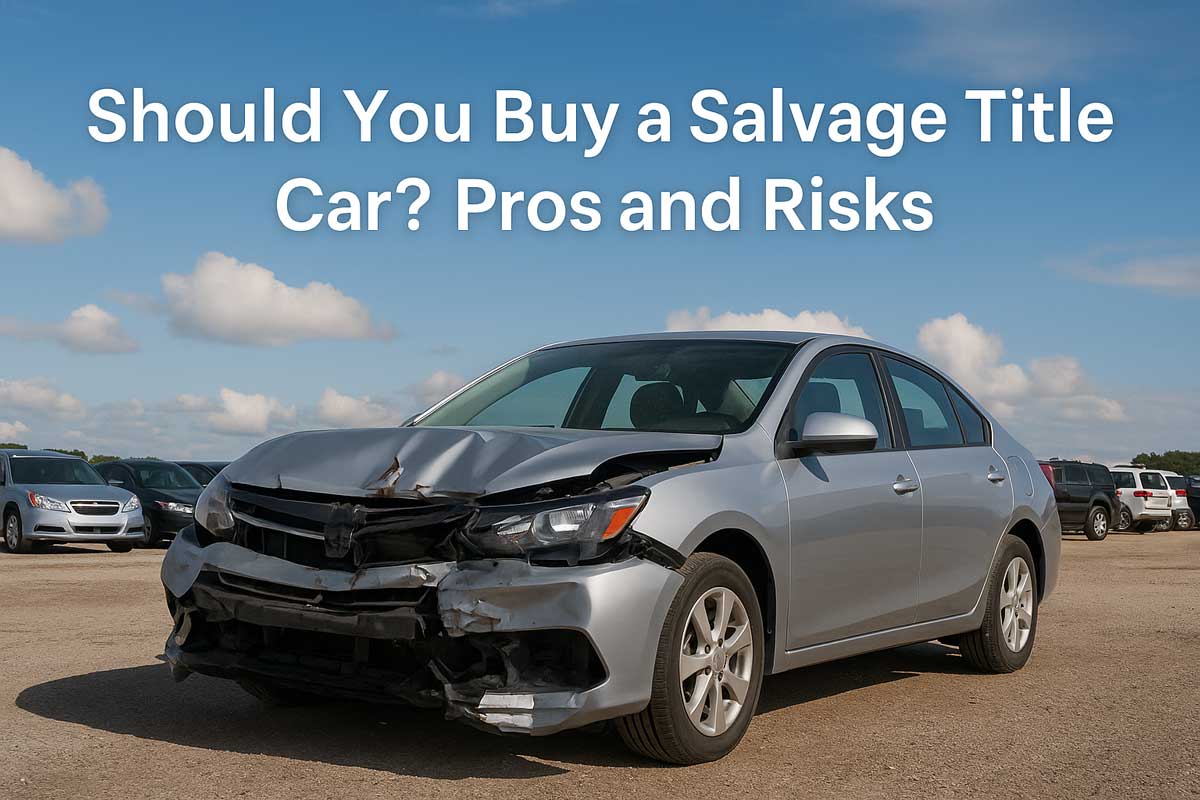
What Is a Salvage Title Car?
A salvage title is issued when a vehicle has sustained damage or loss that an insurance company deems uneconomical to repair. This can result from:
- Collision damage
- Flood or fire incidents
- Theft recoveries
- Hailstorms
- Vandalism
Once written off, the vehicle is typically auctioned to the public or licensed buyers at a fraction of its market value.
Pros and Cons of Buying a Salvage Title Car
✅ Advantages
- Significant Cost Savings: Salvage vehicles are usually priced 30–60% below their clean-title counterparts.
- Ideal for DIY Mechanics: If you have the skills or access to affordable labor, restoring a salvage vehicle can be profitable.
- Rare or High-End Models for Less: Hard-to-find vehicles or luxury cars may become accessible at a reduced rate. You can explore the diverse range of vehicles available at RideSafely, from exotics to family-friendly sedans.
- Parts Value: Even if the car isn’t roadworthy, the parts may be worth more than the auction price.
❌ Disadvantages
- Some people may find it difficult to insure or finance a salvage title vehicle, as many insurers and banks are hesitant to deal with them. However, it is still possible.
- Unknown or Hidden Damage: Not all defects are visible during auction inspections.
- Lower Resale Value: Salvage cars depreciate faster and command less trust in resale markets.
- Reconstruction Requirements: State-specific rules may require inspections, receipts, and paperwork before retitling the vehicle.
Types of Salvage Damage and Their Implications
Understanding the type of damage helps evaluate the true value and potential of the car.
| Damage Type | Description | Risk Level | Rebuild Feasibility |
|---|---|---|---|
| Collision | Frame or structural damage | High | Possible with expert work |
| Flood | Water exposure, mold, electronics damage | Very High | Often irreversible |
| Theft Recovery | Stripped or abandoned vehicle | Medium | Usually cosmetic repairs |
| Fire | Burned interior or engine bay | Very High | Rarely salvageable |
| Hail | Dented panels and glass | Low | Mostly cosmetic |
How to Evaluate a Salvage Vehicle Before Purchase
1. Run a Vehicle History Report
Use services like Carfax or AutoCheck to assess:
- Accident history
- Previous repairs
- Title transitions
- Odometer rollbacks
2. Request Pre-Auction Photos and Damage Reports
Reputable auction sites like RideSafely provide pre-bid images and damage descriptions. Additionally, RideSafely’s Help Center offers over 500 searchable questions and answers from customers like you. To increase your chances of getting a great deal, learn how to win salvage car auctions without losing money through smart bidding strategies.”
3. Inspect the Car Physically or Virtually
If possible, request a third-party inspector for an additional fee.
4. Verify the Type of Title
Not all salvage titles are equal. Look out for:
- Certificate of Destruction – Cannot be retitled for road use.
- Repairable Salvage – Can be restored and rebranded after inspection.
- Flood Salvage – Often banned from resale in certain states.
Rebuilding and Retitling a Salvage Car: What to Expect
Each state has its own vehicle reconstruction process. If you’re planning to restore and register your vehicle, it’s essential to understand how to remove a salvage title based on your state’s specific requirements.
Common steps include:
- Complete all necessary repairs.
- Maintain repair logs, receipts, and before/after photos.
- Pass a state salvage inspection.
- Apply for a rebuilt or reconstructed title.
Check our state-by-state salvage reconstruction guide for detailed procedures.
Insurance Options for Salvage Title Cars
Insuring a rebuilt title car follows a similar process to insuring a clean title vehicle. However, some premiums may come with limited coverage. Most major insurers only offer:
- Liability coverage
- Limited comprehensive/collision coverage
We recommend contacting local insurers or niche providers who specialize in rebuilt or reconstructed vehicles.
Who Should Consider Buying a Salvage Title Car?
Salvage vehicles can be a smart choice for:
- Experienced Mechanics or Body Shops
- Export Buyers (where title laws may differ)
- Parts Resellers
- Buyers on a Budget with Time for Repairs
In fact, many use salvage auctions to turn profits while they learn the ins and outs of the auto industry.
Risks to Watch Out For
🚫 Title Washing
Some sellers re-register a salvage vehicle in another state to “wash” the title. Always verify with the National Motor Vehicle Title Information System (NMVTIS).
⚠️ Airbag Fraud
After a car has been in an accident and repaired, the airbags might be missing or not properly replaced. Be sure to check for any airbag warning lights and take a close look at the dashboard to make sure everything looks secure and untouched.
Where to Buy Salvage Title Cars Safely
Choose established online car auction platforms like:
- RideSafely – Open to the public, transparent buy fees, and no dealer license required
- IAA
- Copart
RideSafely offers detailed auction listings, vehicle reports, multilingual customer support, and low registration barriers—ideal for first-time buyers and professional flippers alike. You may also want to explore bank and repo auctions, which offer competitively priced vehicles with clean or salvage titles.
Cost Breakdown of Buying and Rebuilding a Salvage Vehicle
| Step | Description |
|---|---|
| Step 1 | Buy Salvage Vehicle |
| Step 2 | Repair Costs |
| Step 3 | Inspection & Title Fees |
| Step 4 | Insurance Premium |
| Step 5 | Total Ownership Cost |
| Step 6 | Compare with Market Value of Clean Title Car |
Final Verdict: Is a Salvage Title Car Worth It?
We believe salvage cars can be worth buying when:
- You’ve done thorough due diligence
- You understand the cost-to-value ratio
- You plan to keep the vehicle long-term
- You’re not relying on resale or traditional financing
Also, be sure to check out over 3,000 positive reviews—real stories from real people who are enjoying their vehicles—on ShopperApproved.
FAQs About Buying Salvage Title Cars
Is it safe to buy a salvage title car?
It can be safe if the vehicle is properly inspected, repaired by professionals, and passes a state-mandated inspection. However, due diligence is critical to avoid hidden damage or legal issues.
Can I insure a salvage or rebuilt title car?
Insurance options are limited. Some providers offer only liability coverage. Some may refuse coverage altogether, while others may insure rebuilt titles after inspection.
Will a salvage car pass state inspection?
Yes, but only after all repairs are completed and verified. Most states require documentation, including receipts and before/after photos, as part of the inspection process.
Can I finance a salvage title car?
Traditional banks and lenders usually avoid financing salvage vehicles. Some credit unions or specialty lenders may offer limited options for rebuilt titles.
What is the difference between a salvage title and a rebuilt title?
A salvage title indicates a vehicle deemed a total loss by an insurer. A rebuilt title is issued after the vehicle has been repaired and passed a required inspection, making it legal to drive again.
Are salvage title cars worth buying for resale?
Reselling a salvage title car can be challenging due to diminished value and buyer hesitation. However, they may be profitable if purchased low, repaired affordably, and sold transparently.
Where is the best place to buy salvage title cars?
Online auction platforms like RideSafely offer access to a wide range of salvage vehicles with transparent listings, detailed reports, and bidding open to the public.
What People Are Saying

You might also like
 https://auction.ridesafely.com/images/2027/07/auction-damage-codes-banner.jpg
865
1440
RideSafely
/images/2025/01/ridesafely-logo.svg
RideSafely2026-09-15 10:49:542026-09-15 13:09:23How to Decode Auction Damage Codes
https://auction.ridesafely.com/images/2027/07/auction-damage-codes-banner.jpg
865
1440
RideSafely
/images/2025/01/ridesafely-logo.svg
RideSafely2026-09-15 10:49:542026-09-15 13:09:23How to Decode Auction Damage Codes https://auction.ridesafely.com/images/2026/09/popular-salvage-vehicles-by-category-banner.jpg
972
1619
RideSafely
/images/2025/01/ridesafely-logo.svg
RideSafely2026-09-08 11:58:462026-09-08 13:12:02The Most Popular Salvage Vehicles by Category
https://auction.ridesafely.com/images/2026/09/popular-salvage-vehicles-by-category-banner.jpg
972
1619
RideSafely
/images/2025/01/ridesafely-logo.svg
RideSafely2026-09-08 11:58:462026-09-08 13:12:02The Most Popular Salvage Vehicles by Category https://auction.ridesafely.com/images/2026/09/front-end-damage-cars-at-auction-worth-buying.jpg
865
1440
RideSafely
/images/2025/01/ridesafely-logo.svg
RideSafely2026-09-01 12:39:592026-09-01 13:10:42Front-End Damage Cars at Auction: Worth Buying?
https://auction.ridesafely.com/images/2026/09/front-end-damage-cars-at-auction-worth-buying.jpg
865
1440
RideSafely
/images/2025/01/ridesafely-logo.svg
RideSafely2026-09-01 12:39:592026-09-01 13:10:42Front-End Damage Cars at Auction: Worth Buying? https://auction.ridesafely.com/images/2026/08/rear-end-damage-cars-banner.jpg
865
1440
RideSafely
/images/2025/01/ridesafely-logo.svg
RideSafely2026-08-25 11:10:002026-08-25 13:29:41Rear-End Damage Cars: Easier to Repair Than You Think?
https://auction.ridesafely.com/images/2026/08/rear-end-damage-cars-banner.jpg
865
1440
RideSafely
/images/2025/01/ridesafely-logo.svg
RideSafely2026-08-25 11:10:002026-08-25 13:29:41Rear-End Damage Cars: Easier to Repair Than You Think? https://auction.ridesafely.com/images/2026/08/best-us-car-auctions-overseas-buyers-banner.jpg
865
1440
RideSafely
/images/2025/01/ridesafely-logo.svg
RideSafely2026-08-18 12:42:212026-08-18 13:53:28Best U.S. Car Auctions for Overseas Buyers
https://auction.ridesafely.com/images/2026/08/best-us-car-auctions-overseas-buyers-banner.jpg
865
1440
RideSafely
/images/2025/01/ridesafely-logo.svg
RideSafely2026-08-18 12:42:212026-08-18 13:53:28Best U.S. Car Auctions for Overseas Buyers
Leave a Reply
Want to join the discussion?Feel free to contribute!