 https://auction.ridesafely.com/images/2026/10/dealer-only-car-auction-explained-banner.jpg
865
1440
RideSafely
/images/2025/01/ridesafely-logo.svg
RideSafely2026-10-13 13:22:432026-10-13 13:31:05What Does “Dealer Only” Mean at a Car Auction?
https://auction.ridesafely.com/images/2026/10/dealer-only-car-auction-explained-banner.jpg
865
1440
RideSafely
/images/2025/01/ridesafely-logo.svg
RideSafely2026-10-13 13:22:432026-10-13 13:31:05What Does “Dealer Only” Mean at a Car Auction?Navigating the Risks of Buying Salvage Cars at Online Auctions
Buying a salvage car at an online auction offers an appealing avenue for savvy shoppers looking to snag a bargain, particularly when searching for rare or antique models. However, the process isn’t always straightforward. Here’s a deep dive into the potential pitfalls and essential precautions every buyer should consider. If you’re considering entering auctions without traditional credentials, our guide on how to buy cars at auction without a bid card or dealer license provides essential strategies for exclusive savings with RideSafely.

Understanding Auction Dynamics
The Auction Environment: For newcomers, the auction environment can seem chaotic and fast-paced, often leading to overbidding driven by the adrenaline rush of the auction. To counter this, first-time attendees should consider observing several auctions without participating. This practice will help you understand the process and dynamics, enabling you to navigate the environment more effectively when you are ready to bid. To avoid common pitfalls, it is crucial to understand the implications of a salvage title, which is detailed further in our article, Decoding Salvage Titles: A Buyer’s Guide to Identifying Common Damage.
Title Considerations and Restrictions
Bill of Sale (No Title): Often, vehicles at auctions may be listed with terms such as “CO Bill of Sale-Parts Only (No Title).” This designation means that in the U.S., these vehicles cannot be registered for road use but can be used for parts or exported. Buyers should be aware of these restrictions to avoid purchasing a vehicle that does not meet their needs. For enthusiasts interested in vintage cars for restoration, our feature on discovering vintage cars for restoration at salvage auctions offers valuable insights into finding these gems.
Salvage Certificate – Non-Repairable Flood: Vehicles with a “TX NON-REPAIRABLE FLOOD” title are intended strictly for parts. This title indicates that the vehicle cannot be registered or legally driven on U.S. roads. Such titles are common in states like Florida and Texas, and they require buyers to primarily plan for parts extraction or export. To navigate these complexities effectively, consult our comprehensive guide on Navigating the World of Online Salvage Car Auctions with RideSafely.
CO Clear if Lost/Stolen; Cannot Get Duplicate Title: This unique situation arises when a vehicle has a clean title, such as one issued in Colorado, but cannot have a duplicate issued if lost. This can complicate resale or ownership transfer, making it crucial for buyers to manage their vehicle documentation carefully.
Legal and Exportation Constraints
Certificate of Destruction – For Export Only, US Customers – Parts Only: This title implies that the vehicle must be either dismantled for parts within the USA or exported. It is critical for buyers to understand these legal boundaries to ensure compliance and avoid potential legal issues.
Junk Certificate – Understanding Vehicle Usage: A Junk Certificate categorizes the vehicle strictly for parts use within the United States. For international buyers, this is equivalent to a Bill of Sale, with no title provided, outlining clear guidelines on the vehicle’s use and export potential.
Specific Damage Types and Their Implications
Salvage Certificate – Water/Flood Damage: Vehicles with a flood title have sustained significant water exposure, enough to potentially compromise mechanical and electrical systems. Prospective buyers should be wary of the long-term effects of such damage on vehicle functionality.
Salvage Certificate – Mechanical Damage: The presence of a “MC – Mechanical” code indicates serious mechanical issues, from engine failures to transmission problems. These damages define a vehicle as unusable for regular purposes, barring routine maintenance issues. For a detailed explanation of what constitutes mechanical damage, please see our “Definition of Mechanical Damage” section.
Best Practices for Online Car Auctions
Conducting Thorough Research: Always conduct a detailed vehicle history check using resources like Carfax, AutoCheck, or VIN number searches. This step is crucial in uncovering potentially hidden issues or the full extent of reported damages.
Setting a Budget and Sticking to It: Establish a clear budget before participating in an auction. Remember to account for potential repair costs, parts replacement, and the logistics of either local use or export.
Seek Expert Advice: If possible, consult with a mechanic or a professional experienced in salvage vehicles and auctions. Their insights can guide you in making informed decisions and identifying the best deals.
Conclusion
While online auto auctions offer a pathway to exceptional deals on salvage cars, they come with their own set of challenges and complexities. By understanding the auction process, recognizing the implications of various titles and damage types, and preparing adequately, you can make informed purchases that meet your automotive and financial needs.
Key Questions Answered: Navigating Salvage Car Auctions
What does it mean when a car has a salvage title?
A salvage title indicates that an insurance company has declared the car a total loss due to significant damage from an accident, flood, or other catastrophic events. Such vehicles can be bought for repair or parts.
Can I legally drive a car with a salvage title?
In most cases, you cannot drive a salvage-title car until it has been repaired and inspected by state authorities. After passing inspection, it may qualify for a rebuilt title, which allows it to be registered and driven.
What should I watch out for when bidding on salvage cars online?
Be cautious of overbidding due to auction excitement, unclear vehicle histories, and mechanical issues not listed in the auction description. Always conduct a thorough vehicle history check before bidding.
Are there any hidden costs in buying a salvage car?
Yes, potential hidden costs include state fees for inspection and re-titling, unexpected repairs that appear after purchase, and higher insurance premiums for rebuilt vehicles.
How can I ensure the salvage car I’m interested in can be repaired?
Consult with a trusted mechanic to review the vehicle’s condition and repair estimates before purchasing. Additionally, check state regulations to ensure the vehicle can be re-titled as rebuilt.
Is it a good idea to buy a salvage car for parts?
Buying a salvage car for parts can be cost-effective if you need multiple components and the price is right. Ensure you have the space and tools to dismantle and store the parts safely.
Can I export a salvage car?
Yes, exporting a salvage car is usually permissible, but check the specific regulations and documentation required in both the exporting and importing countries to ensure compliance.
What is the difference between a "Salvage Certificate" and a "Junk Certificate"?
A Salvage Certificate allows for the possibility of repairing and re-registering the car, depending on the extent of damage and state laws. A Junk Certificate, however, designates the vehicle as only suitable for parts or scrap, with no possibility of lawful re-registration for road use.
What People Are Saying

You might also like
https://auction.ridesafely.com/images/2026/10/dealer-only-car-auction-explained-banner.jpg
865
1440
RideSafely
/images/2025/01/ridesafely-logo.svg
RideSafely2026-10-13 13:22:432026-10-13 13:31:05What Does “Dealer Only” Mean at a Car Auction? https://auction.ridesafely.com/images/2026/10/actual-vs-not-actual-mileage-banner.jpg
865
1440
RideSafely
/images/2025/01/ridesafely-logo.svg
RideSafely2026-10-06 14:31:302026-10-13 13:22:41Actual Mileage vs Not Actual Mileage at Car Auctions
https://auction.ridesafely.com/images/2026/10/actual-vs-not-actual-mileage-banner.jpg
865
1440
RideSafely
/images/2025/01/ridesafely-logo.svg
RideSafely2026-10-06 14:31:302026-10-13 13:22:41Actual Mileage vs Not Actual Mileage at Car Auctions https://auction.ridesafely.com/images/2026/09/auction-car-with-no-keys-buyer-guide-banner.jpg
865
1440
RideSafely
/images/2025/01/ridesafely-logo.svg
RideSafely2026-09-29 12:05:282026-10-06 13:50:49Auction Cars With No Keys What to Know Before You Bid
https://auction.ridesafely.com/images/2026/09/auction-car-with-no-keys-buyer-guide-banner.jpg
865
1440
RideSafely
/images/2025/01/ridesafely-logo.svg
RideSafely2026-09-29 12:05:282026-10-06 13:50:49Auction Cars With No Keys What to Know Before You Bid https://auction.ridesafely.com/images/2026/09/parts-only-salvage-auction-guide-banner.jpg
865
1440
RideSafely
/images/2025/01/ridesafely-logo.svg
RideSafely2026-09-22 12:45:062026-09-22 13:35:34What Does Parts Only Mean at a Salvage Auction?
https://auction.ridesafely.com/images/2026/09/parts-only-salvage-auction-guide-banner.jpg
865
1440
RideSafely
/images/2025/01/ridesafely-logo.svg
RideSafely2026-09-22 12:45:062026-09-22 13:35:34What Does Parts Only Mean at a Salvage Auction?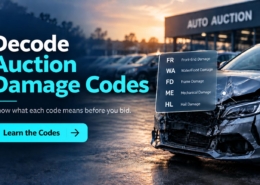 https://auction.ridesafely.com/images/2027/07/auction-damage-codes-banner.jpg
865
1440
RideSafely
/images/2025/01/ridesafely-logo.svg
RideSafely2026-09-15 10:49:542026-09-15 13:09:23How to Decode Auction Damage Codes
https://auction.ridesafely.com/images/2027/07/auction-damage-codes-banner.jpg
865
1440
RideSafely
/images/2025/01/ridesafely-logo.svg
RideSafely2026-09-15 10:49:542026-09-15 13:09:23How to Decode Auction Damage Codes
Leave a Reply
Want to join the discussion?Feel free to contribute!