 https://auction.ridesafely.com/images/2026/10/actual-vs-not-actual-mileage-banner.jpg
865
1440
RideSafely
/images/2025/01/ridesafely-logo.svg
RideSafely2026-10-06 14:31:302026-10-13 13:22:41Actual Mileage vs Not Actual Mileage at Car Auctions
https://auction.ridesafely.com/images/2026/10/actual-vs-not-actual-mileage-banner.jpg
865
1440
RideSafely
/images/2025/01/ridesafely-logo.svg
RideSafely2026-10-06 14:31:302026-10-13 13:22:41Actual Mileage vs Not Actual Mileage at Car AuctionsVenturing into the world of salvage car auctions presents a golden opportunity to snag a deal. With the right insight, what may seem like a daunting purchase could turn out to be a shrewd economic choice. This guide will equip you with the necessary knowledge to navigate salvage car auctions with confidence, ensuring you drive away with both a bargain and peace of mind.
Understanding the Salvage Title Spectrum
When a car bears a salvage title, it typically means that an insurance company has deemed it more economical to pay out a claim than to repair the vehicle. This doesn’t automatically suggest an accident was involved; salvage titles cover a range of scenarios, from flood and fire damage to theft recovery.
Decoding Salvage Title Origins
Salvage titles are the red flags raised by insurance companies when they conclude a car’s repair costs would eclipse its value. Yet, not all salvage titles are born from collisions. They may also signal the aftermath of environmental disasters like floods or hailstorms, or even the remnants of theft. Learn more about salvage titles with our comprehensive overview, designed to demystify the nuances of vehicle salvage status.
Navigating State-Specific Salvage Regulations
No universal rulebook dictates when a car should be assigned a salvage title, making inter-state comparisons tricky. One of your first steps when considering a salvage auction purchase should be to review the vehicle’s repair history. This due diligence can offer a clearer picture of what past tribulations the car has endured and what future issues might arise.
The Financial Upside of Salvage Auctions
While the prospect of buying a salvage vehicle may carry certain stigmas, the financial benefits can be significant. For the cost-conscious buyer or the driver who isn’t deterred by a vehicle with a history, salvage auctions are a frontier of potential savings.
Insurance Implications for Salvage Vehicles
It’s worth noting that owning a salvage title car might necessitate a switch in your auto insurance provider. Not all insurers cover salvage vehicles, so it’s crucial to factor this into your decision-making process.
The Essential Pre-Purchase Checklist
Before you place your bid, arm yourself with information. Understand the life story of the car you’re eyeing: Why was it salvaged? What repairs have been made? Are there potential hidden costs? This knowledge is your power at the auction.
Salvage Auctions: A Realm of Opportunity
Salvage car auctions don’t need to be a gamble. By entering the arena informed and cautious, you stand to gain significantly. These events can be a treasure trove for the right buyer – someone unafraid of cars with a past and eager for the savings that come with it.
In conclusion, salvage car auctions are not for the faint-hearted. They are for the savvy, the strategic, and the informed. With the insights from this guide, you’re now better equipped to decide if a salvage car auction is the right avenue for your next vehicle purchase. After all, the road less traveled by cars with a history could lead to a destination filled with savings.
For those ready to explore the world of salvage car auctions, RideSafely offers a platform where you can navigate through a vast inventory, armed with the insights and caution this guide has instilled. With RideSafely, you’re not just buying a car; you’re embarking on an informed journey to securing value.
FAQs about Salvage Car Auctions
What is a salvage title car?
A salvage title car is one that an insurance company has deemed more costly to repair than its current market value, often due to damage from accidents, natural disasters, or theft.
Can I insure a salvage title car?
Yes, you can insure a salvage title car, but you may need to shop for insurers who specialize in this type of vehicle as not all insurance companies offer coverage for them.
Is buying a car at a salvage auction a good idea?
Buying at a salvage auction can be a good idea if you’re looking for a low-cost vehicle and are aware of the potential risks and repairs involved. It’s crucial to conduct thorough research and understand the vehicle’s history before purchasing.
How do I know if a salvage title car is safe to drive?
A salvage title car deemed safe to drive will typically have undergone necessary repairs and inspections to ensure roadworthiness. However, always review the vehicle’s repair history and consider a professional inspection before driving.
What should I check before buying a salvage title car?
Before buying a salvage title car, check the vehicle’s history report for details on the damage, repair history, and if it meets your state’s road safety standards.
Can salvage title cars be financed?
Financing a salvage title car can be challenging as many lenders may be hesitant to offer loans for these vehicles due to their diminished value.
Are salvage auctions open to the public?
Some salvage auctions are open to the public, while others may be limited to licensed dealers. Check with the auction houses, such as RideSafely, for their specific policies.
How much can I save by buying a salvage title car?
Savings can vary widely, but it’s not uncommon to purchase a salvage title car for significantly less than its undamaged counterpart.
What People Are Saying

You might also like
https://auction.ridesafely.com/images/2026/10/actual-vs-not-actual-mileage-banner.jpg
865
1440
RideSafely
/images/2025/01/ridesafely-logo.svg
RideSafely2026-10-06 14:31:302026-10-13 13:22:41Actual Mileage vs Not Actual Mileage at Car Auctions https://auction.ridesafely.com/images/2026/09/auction-car-with-no-keys-buyer-guide-banner.jpg
865
1440
RideSafely
/images/2025/01/ridesafely-logo.svg
RideSafely2026-09-29 12:05:282026-10-06 13:50:49Auction Cars With No Keys What to Know Before You Bid
https://auction.ridesafely.com/images/2026/09/auction-car-with-no-keys-buyer-guide-banner.jpg
865
1440
RideSafely
/images/2025/01/ridesafely-logo.svg
RideSafely2026-09-29 12:05:282026-10-06 13:50:49Auction Cars With No Keys What to Know Before You Bid https://auction.ridesafely.com/images/2026/09/parts-only-salvage-auction-guide-banner.jpg
865
1440
RideSafely
/images/2025/01/ridesafely-logo.svg
RideSafely2026-09-22 12:45:062026-09-22 13:35:34What Does Parts Only Mean at a Salvage Auction?
https://auction.ridesafely.com/images/2026/09/parts-only-salvage-auction-guide-banner.jpg
865
1440
RideSafely
/images/2025/01/ridesafely-logo.svg
RideSafely2026-09-22 12:45:062026-09-22 13:35:34What Does Parts Only Mean at a Salvage Auction?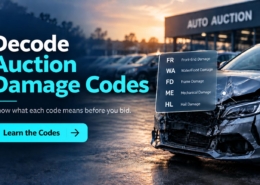 https://auction.ridesafely.com/images/2027/07/auction-damage-codes-banner.jpg
865
1440
RideSafely
/images/2025/01/ridesafely-logo.svg
RideSafely2026-09-15 10:49:542026-09-15 13:09:23How to Decode Auction Damage Codes
https://auction.ridesafely.com/images/2027/07/auction-damage-codes-banner.jpg
865
1440
RideSafely
/images/2025/01/ridesafely-logo.svg
RideSafely2026-09-15 10:49:542026-09-15 13:09:23How to Decode Auction Damage Codes https://auction.ridesafely.com/images/2026/09/popular-salvage-vehicles-by-category-banner.jpg
972
1619
RideSafely
/images/2025/01/ridesafely-logo.svg
RideSafely2026-09-08 11:58:462026-09-08 13:12:02The Most Popular Salvage Vehicles by Category
https://auction.ridesafely.com/images/2026/09/popular-salvage-vehicles-by-category-banner.jpg
972
1619
RideSafely
/images/2025/01/ridesafely-logo.svg
RideSafely2026-09-08 11:58:462026-09-08 13:12:02The Most Popular Salvage Vehicles by Category
Leave a Reply
Want to join the discussion?Feel free to contribute!