 https://auction.ridesafely.com/images/2026/10/dealer-only-car-auction-explained-banner.jpg
865
1440
RideSafely
/images/2025/01/ridesafely-logo.svg
RideSafely2026-10-13 13:22:432026-10-13 13:31:05What Does “Dealer Only” Mean at a Car Auction?
Restoring a salvage car isn’t just a project; it’s a wise investment and a rewarding challenge. At RideSafely, we’re committed to helping buyers unlock the full potential of salvage vehicles with cost-effective strategies and practical, step-by-step guidance. Whether you’re restoring for resale, personal use, or simply for the thrill of the transformation, this guide will walk you through every stage with expert-level precision.
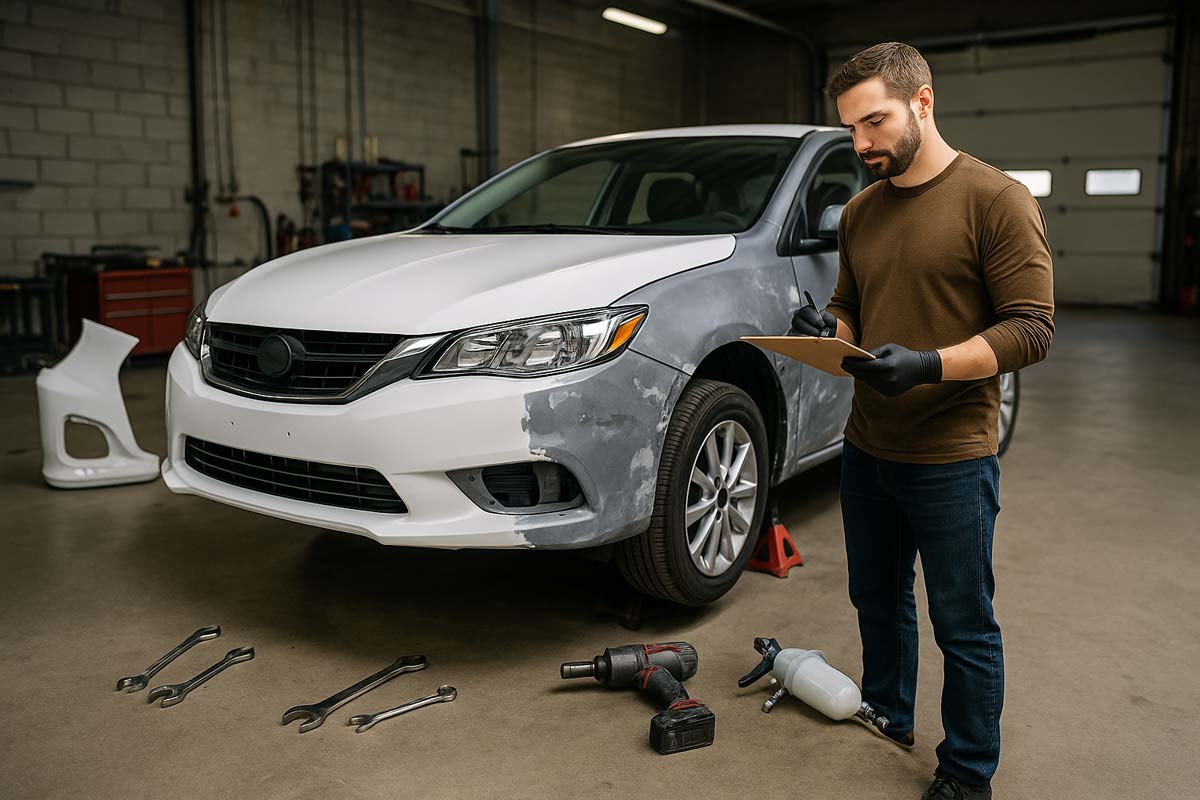
What Is a Salvage Car? Understanding Titles and Value
Key Types of Salvage Titles:
- Collision damage: Front/rear-end, frame, or structural damage.
- Flood damage: Water intrusion affecting electrical and mechanical components.
- Theft recovery: Stolen and later recovered, sometimes intact.
- Hail or fire damage: Cosmetic or partial damage, depending on severity.
Pro Tip: Always request a VIN history report to understand past repairs and verify the damage category.
Step-by-Step Guide: How to Restore a Salvage Vehicle on a Budget
1. Pick the Right Vehicle
Look for vehicles with:
- Minimal frame damage
- Clean interiors and intact airbags
- Readily available aftermarket or OEM parts
- Popularity in the market (Toyota Camry, Honda Accord, Ford F-150, etc.)
Avoid: Rare or luxury models with hard-to-find parts.
For inspiration, check out our guide on the diverse range of vehicles available at RideSafely.
2. Set a Realistic Restoration Budget
Cost Breakdown Example:
| Item | Estimated Cost Range |
|---|---|
| Vehicle Purchase | $1,500 – $6,000 |
| Bodywork & Paint | $800 – $3,000 |
| Mechanical Repairs | $500 – $2,500 |
| Inspection & Registration | $200 – $800 |
| Tools & Supplies | $300 – $1,000 |
Keep a 20% buffer for surprises. Before placing bids, it’s smart to review what to know before you bid at online car auctions so you avoid costly surprises.
3. Create a Restoration Workflow
| Step | Process |
|---|---|
| 1 | Buy Salvage Car |
| 2 | Inspect & Document Damage |
| 3 | Order Replacement Parts |
| 4 | Disassemble Damaged Areas |
| 5 | Mechanical Repairs |
| 6 | Body & Paint Work |
| 7 | Reassembly & Safety Checks |
| 8 | State Inspection & Rebuilt Title |
| 9 | Sell or Drive |
Inspection & Parts: Your Blueprint for Rebuilding
Conduct a Full Inspection
Use a checklist for:
- Frame and alignment issues
- Suspension and brake systems
- Transmission and engine diagnostics
- Electrical components and airbags
Source Parts Affordably
- Online recyclers (eBay Motors, Car-Part.com)
- Local junkyards
- Wholesale OEM suppliers
- Facebook Marketplace or Craigslist
Bundle shipments to save on freight costs when ordering from multiple suppliers.
DIY Restoration Essentials: Tools You Need
- Torque wrench
- OBD2 scanner
- Panel removal tools
- Impact drill
- Paint gun or spray system
- Engine hoist (optional for engine swaps)
Keep safety gear readily available: gloves, goggles, and respirators.
Final Testing: Ensure Road-Readiness
Before applying for a rebuilt title, ensure:
- No warning lights
- Correct alignment and braking
- Functional electronics
- Passed local safety/emissions tests
Take the car on a short road test to detect remaining issues.
Legal and Paperwork: Getting a Rebuilt Title
Each state has its own DMV requirements. Common steps include:
- Submitting the original salvage title
- Providing repair receipts and photo evidence
- Passing a certified state inspection
- Paying titling fees
Visit your state DMV website for exact guidelines or consult an auto title service.
How Much Can You Save (or Earn)?
Example:
- Salvage BMW 328i Purchase: $3,800
- Total Restoration Cost: $4,500
- Market Value Post-Repair: $12,000+
- Potential Profit: $3,000–$4,000 (after title, tax, and resale fees)
Many buyers treat salvage cars as a side hustle, using salvage car auctions to turn profits while they learn.
Tips to Stay on Track and on Budget
- Use a project management app to track tasks and costs.
- Document every repair for future transparency in resale.
- Avoid scope creep — focus only on necessary repairs.
- Connect with online forums (e.g., Reddit’s r/Autobody and r/MechanicAdvice).
Best Cars for Beginners to Restore
| Make & Model | Reason to Choose |
|---|---|
| Honda Civic | Abundant parts, simple mechanics |
| Toyota Corolla | High resale value, low-cost repairs |
| Ford Mustang | Popular project car with strong community |
| Jeep Wrangler | Modular, easy body swaps |
| Mazda Miata | Lightweight, great for performance mods |
These are also among the top-selling used and salvage vehicles on RideSafely, making them easier to source and resell.
Where to Buy Salvage Cars Online
We recommend reliable and trusted online auction platforms that provide transparent fees and VIN access, such as:
- RideSafely — Bid directly on clean, repairable salvage, and theft-recovery vehicles with no dealer license required and no membership fees, opening the door for everyday buyers.
- IAAI – You need an IAAI membership and a dealer license to bid on and purchase vehicles.
- Copart – You need a Copart membership and a dealer license to bid on and purchase vehicles.
Always check the buyer fees, shipping costs, and payment windows.
Shipping Your Salvage Car
At RideSafely, we understand the importance of getting your newly auctioned vehicle to you safely, efficiently, and affordably. We offer comprehensive shipping solutions for both domestic and international buyers. Our full-service logistics team collaborates with a carefully vetted and licensed carrier network to ensure your vehicle arrives at its destination without incident.
If you prefer, you are welcome to use a shipper or broker of your choice. You can coordinate transportation with licensed salvage vehicle haulers, compare rates, request a pre-loading inspection photo set, and obtain a bill of lading for your records.
Final Thoughts
DIY salvage car restoration is more than fixing dents — it’s building equity with your own hands. With the right tools, knowledge, and sourcing strategy, anyone can turn a total loss into total value. Whether you drive it or flip it, restoring a salvage car is one of the most rewarding experiences in the automotive world.
If you’re just getting started, our beginner’s auction game plan for flipping cars can help you take the next step with confidence.
Disclaimer: The figures provided are for illustrative purposes only and may not reflect actual results. Restoration costs, resale values, and potential profits can vary significantly based on factors such as vehicle condition, parts availability, labor rates, location, and market demand. RideSafely does not guarantee specific outcomes or returns on investment. Always conduct thorough research and consult with a licensed professional before purchasing or restoring a salvage vehicle.
Frequently Asked Questions
Is restoring a salvage car worth it?
Yes. Restoring a salvage car can save you thousands compared to buying a clean title vehicle. If repairs are done properly and inspected for a rebuilt title, the car can be safe, reliable, and profitable if resold.
What type of salvage cars are best for beginners?
The best choices are vehicles with minor damage, popular models with abundant parts, and strong resale demand. Examples include Honda Civic, Toyota Corolla, Ford F-150, and Jeep Wrangler.
How much does it cost to restore a salvage car?
Costs vary depending on the damage and parts availability. On average, restoration runs between $2,500 and $8,000, including purchase, repairs, inspection, and registration. Always keep a 20% budget buffer for unexpected expenses.
Can I drive a salvage car without a rebuilt title?
No. Salvage cars cannot be legally driven until they pass inspection and receive a rebuilt title. Once approved, the car can be registered and insured like any other vehicle.
Where can I buy salvage cars for DIY restoration?
You can buy salvage cars online through trusted auction platforms such as RideSafely, which offers nationwide access, transparent fees, and no dealer license requirement.
Can restoring salvage cars be profitable?
Yes. Many buyers flip salvage cars for profit by repairing and reselling them. Success depends on choosing the right vehicle, managing repair costs, and documenting the restoration process for buyer confidence.
What People Are Saying

You might also like
https://auction.ridesafely.com/images/2026/10/dealer-only-car-auction-explained-banner.jpg
865
1440
RideSafely
/images/2025/01/ridesafely-logo.svg
RideSafely2026-10-13 13:22:432026-10-13 13:31:05What Does “Dealer Only” Mean at a Car Auction? https://auction.ridesafely.com/images/2026/10/actual-vs-not-actual-mileage-banner.jpg
865
1440
RideSafely
/images/2025/01/ridesafely-logo.svg
RideSafely2026-10-06 14:31:302026-10-13 13:22:41Actual Mileage vs Not Actual Mileage at Car Auctions
 https://auction.ridesafely.com/images/2026/09/auction-car-with-no-keys-buyer-guide-banner.jpg
865
1440
RideSafely
/images/2025/01/ridesafely-logo.svg
RideSafely2026-09-29 12:05:282026-10-06 13:50:49Auction Cars With No Keys What to Know Before You Bid
 https://auction.ridesafely.com/images/2026/09/parts-only-salvage-auction-guide-banner.jpg
865
1440
RideSafely
/images/2025/01/ridesafely-logo.svg
RideSafely2026-09-22 12:45:062026-09-22 13:35:34What Does Parts Only Mean at a Salvage Auction?
 https://auction.ridesafely.com/images/2027/07/auction-damage-codes-banner.jpg
865
1440
RideSafely
/images/2025/01/ridesafely-logo.svg
RideSafely2026-09-15 10:49:542026-09-15 13:09:23How to Decode Auction Damage Codes
Your RideSafely Questions, Answered
From auction to driveway — we’ve got you covered.
Leave a Reply
Want to join the discussion?Feel free to contribute!