 https://auction.ridesafely.com/images/2026/10/actual-vs-not-actual-mileage-banner.jpg
865
1440
RideSafely
/images/2025/01/ridesafely-logo.svg
RideSafely2026-10-06 14:31:302026-10-13 13:22:41Actual Mileage vs Not Actual Mileage at Car Auctions
https://auction.ridesafely.com/images/2026/10/actual-vs-not-actual-mileage-banner.jpg
865
1440
RideSafely
/images/2025/01/ridesafely-logo.svg
RideSafely2026-10-06 14:31:302026-10-13 13:22:41Actual Mileage vs Not Actual Mileage at Car AuctionsBuying an auction vehicle without keys can create extra costs, delays, and uncertainty. Still, a missing key does not automatically make a vehicle a poor purchase.
Many salvage and used vehicle auctions list cars as having no keys. Sometimes keys are lost during recovery, towing, or storage. In other cases, the auction never received them.
Buyers should understand the risks before bidding. A replacement key may involve much more than cutting new metal.
What Does “No Keys” Mean at a Car Auction?
A “no keys” listing generally means usable keys are not available with the vehicle. The exact situation can still vary.
For example, the vehicle may have no physical key or remote fob. A damaged key may also exist but no longer work.
Buyers should review the auction listing carefully. They should also examine the available photos and condition information.
Most importantly, never assume the vehicle starts simply because its condition looks good.
Can You Start an Auction Car Without the Original Key?
In many cases, buyers can obtain a replacement key after purchasing the vehicle. Modern vehicles usually require electronic programming.
Older vehicles may only need a properly cut mechanical key. Newer cars often use transponder keys, smart keys, or proximity fobs.
These systems communicate with the vehicle’s immobilizer. Simply cutting a matching key may not start the engine.
Some vehicles also require specialized diagnostic equipment. Professional key programming may become necessary.
Consider the Cost of Replacing the Keys
Before bidding, estimate the potential replacement cost. Pricing may differ greatly among vehicles.
A basic mechanical key may cost relatively little. Modern smart keys can be considerably more expensive.
Programming fees can also increase the final expense. Luxury and newer vehicles frequently require specialized equipment.
Certain manufacturers may require specific security procedures as well. That can make replacement more complicated.
Include key replacement costs when setting your maximum bidding budget.
Check Whether the Vehicle Uses a Smart Key System
Key technology differs greatly among modern vehicles. Identifying the vehicle’s key system can help reduce unexpected expenses.
Many newer models use push-button ignition and proximity-based smart keys. These vehicles may require a programmed fob before starting.
Some systems store security information across several electronic modules. Replacing a missing key may involve additional diagnostic work.
Research the specific year, make, model, and trim before bidding. This can help estimate replacement difficulty and cost.
A No-Key Vehicle May Be Difficult to Inspect
Missing keys can limit what buyers know about a vehicle.
Without a working key, auction staff may not start the engine. They may also be unable to verify transmission operation or dashboard warnings.
Electronic features can remain untested as well. Buyers may not know whether the battery, ignition, or electrical systems work properly.
A no-key auction vehicle carries additional uncertainty. That risk should influence your bidding limit.
Do Not Assume Missing Keys Explain a No-Start Condition
A missing key and a non-running vehicle are not necessarily the same problem.
Even after receiving a replacement key, the vehicle may still fail to start. Collision damage can affect wiring, modules, or the battery.
Flood exposure may also damage important electrical systems. Mechanical problems can prevent the engine from running too.
Never assume a new key will make the vehicle operational.
Review the listed condition, damage type, and available auction information before bidding.
Plan for Vehicle Transportation
Transportation deserves extra attention when buying an auction car without keys.
A vehicle without usable keys may not shift easily into neutral. Steering locks or electronic parking brakes can additionally complicate loading.
Specialized towing equipment may be necessary. A flatbed truck or professional transporter may provide the safest option.
Some auction locations also follow specific loading procedures. Confirm those requirements before arranging pickup.
A $20 forklift loading fee may apply, typically for inoperable vehicles and vehicles without keys.
Never assume you can simply drive the vehicle away after purchase.
Ask a Locksmith or Dealer Before Bidding
Researching replacement options beforehand can prevent expensive surprises.
An automotive locksmith may handle many replacement keys and programming procedures. Some vehicles, though, may require dealership involvement.
Contact a qualified local locksmith or authorized dealer before bidding on an unfamiliar model.
Provide the vehicle’s year, make, model, and available identification details. Ask about expected replacement and programming costs.
This information can help you set a more realistic bidding limit.
Review the Auction Vehicle Details Carefully
Every auction vehicle merits careful research, especially when no keys are available.
Commence by reviewing the damage description and condition information. Then examine every available photo closely.
Check whether the listing indicates starting ability or working condition. Keep in mind that auction descriptions may have limitations.
Vehicle history information can provide useful context. Previous theft, collision, or insurance records may help explain the missing keys.
Base your decision on the vehicle’s current documented condition.
Factor All Costs Into Your Maximum Bid
The winning bid represents only one part of an auction vehicle’s total cost.
Buyers may also face auction fees, transportation, repairs, and key replacement expenses.
Calculate those costs before placing a bid.
For a no-key vehicle, consider these possible expenses:
- Replacement key or smart fob
- Key cutting
- Electronic programming
- Locksmith or dealership service
- Diagnostic work
- Battery replacement
- Transportation and loading
- Additional electrical repairs
A lower auction price can become expensive once these costs begin to add up.
Are Auction Cars Without Keys Worth Buying?
Auction cars without keys can still offer worthwhile opportunities. Buyers should approach them with realistic expectations.
Missing keys cause another unknown. Modern security systems can also make replacement more complicated than expected.
Research the vehicle’s key system before bidding. Estimate replacement costs and plan transportation carefully.
Most importantly, avoid assuming a missing key is the vehicle’s only problem.
With proper research and a disciplined bidding budget, buyers can more effectively evaluate no-key auction vehicles before proceeding with a purchase.
Frequently Asked Questions
Can you buy an auction car with no keys?
Yes, you can. Many salvage and used car auctions offer vehicles without keys. Be sure to budget for additional expenses such as key replacement, programming, and transportation. Since some cars use transponder keys or smart fobs, check the key system before you bid and include those costs in your plan.
How much does it cost to replace keys for an auction car?
The price varies by car type and key type; simple mechanical keys are generally cheap, while smart keys or fobs cost more. You may also have to pay for programming. Since luxury vehicles and newer models usually require special equipment, it’s best to get a quote before making an offer.
Can a locksmith make a key for an auction car?
Certainly, an automotive locksmith can often make and program new keys for many cars; however, some vehicles require special dealer equipment or specific security procedures. When you request a quote, provide the locksmith with your car’s year, make, model, and VIN.
Does “no keys” mean the auction car does not run?
No keys don’t mean the car won’t start; it usually just means the key doesn’t work, so you can start the car once you get a new one. That said, don’t assume the key is the only issue, since mechanical, electrical, or flood damage could also prevent the car from starting.
How do you transport an auction car without keys?
A car without a key will probably need to be transported by professionals. Without a working key, you won’t be able to put the vehicle into neutral or unlock the steering lock, and electronic parking brakes can also make loading more difficult. In most cases, use a flatbed truck or an experienced car transporter. Always check the auction site’s pickup and loading rules before arranging transport.
What People Are Saying

You might also like
https://auction.ridesafely.com/images/2026/10/actual-vs-not-actual-mileage-banner.jpg
865
1440
RideSafely
/images/2025/01/ridesafely-logo.svg
RideSafely2026-10-06 14:31:302026-10-13 13:22:41Actual Mileage vs Not Actual Mileage at Car Auctions https://auction.ridesafely.com/images/2026/09/auction-car-with-no-keys-buyer-guide-banner.jpg
865
1440
RideSafely
/images/2025/01/ridesafely-logo.svg
RideSafely2026-09-29 12:05:282026-10-06 13:50:49Auction Cars With No Keys What to Know Before You Bid
https://auction.ridesafely.com/images/2026/09/auction-car-with-no-keys-buyer-guide-banner.jpg
865
1440
RideSafely
/images/2025/01/ridesafely-logo.svg
RideSafely2026-09-29 12:05:282026-10-06 13:50:49Auction Cars With No Keys What to Know Before You Bid https://auction.ridesafely.com/images/2026/09/parts-only-salvage-auction-guide-banner.jpg
865
1440
RideSafely
/images/2025/01/ridesafely-logo.svg
RideSafely2026-09-22 12:45:062026-09-22 13:35:34What Does Parts Only Mean at a Salvage Auction?
https://auction.ridesafely.com/images/2026/09/parts-only-salvage-auction-guide-banner.jpg
865
1440
RideSafely
/images/2025/01/ridesafely-logo.svg
RideSafely2026-09-22 12:45:062026-09-22 13:35:34What Does Parts Only Mean at a Salvage Auction?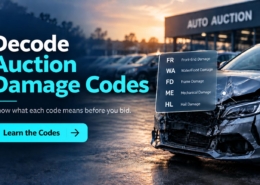 https://auction.ridesafely.com/images/2027/07/auction-damage-codes-banner.jpg
865
1440
RideSafely
/images/2025/01/ridesafely-logo.svg
RideSafely2026-09-15 10:49:542026-09-15 13:09:23How to Decode Auction Damage Codes
https://auction.ridesafely.com/images/2027/07/auction-damage-codes-banner.jpg
865
1440
RideSafely
/images/2025/01/ridesafely-logo.svg
RideSafely2026-09-15 10:49:542026-09-15 13:09:23How to Decode Auction Damage Codes https://auction.ridesafely.com/images/2026/09/popular-salvage-vehicles-by-category-banner.jpg
972
1619
RideSafely
/images/2025/01/ridesafely-logo.svg
RideSafely2026-09-08 11:58:462026-09-08 13:12:02The Most Popular Salvage Vehicles by Category
https://auction.ridesafely.com/images/2026/09/popular-salvage-vehicles-by-category-banner.jpg
972
1619
RideSafely
/images/2025/01/ridesafely-logo.svg
RideSafely2026-09-08 11:58:462026-09-08 13:12:02The Most Popular Salvage Vehicles by CategoryYour RideSafely Questions, Answered
From auction to driveway — we’ve got you covered.
Leave a Reply
Want to join the discussion?Feel free to contribute!