 https://auction.ridesafely.com/images/2027/07/auction-damage-codes-banner.jpg
865
1440
RideSafely
/images/2025/01/ridesafely-logo.svg
RideSafely2026-09-15 10:49:542026-09-15 13:09:23How to Decode Auction Damage Codes
https://auction.ridesafely.com/images/2027/07/auction-damage-codes-banner.jpg
865
1440
RideSafely
/images/2025/01/ridesafely-logo.svg
RideSafely2026-09-15 10:49:542026-09-15 13:09:23How to Decode Auction Damage CodesMost cars lose value the second you drive them off the lot. That’s just the reality of depreciation. But here’s where things get interesting: certain cars actually reverse that trend after a rebuild. Yes, you read that right. A damaged, neglected, or salvaged vehicle can become a high-value asset when strategically restored. It’s like turning a rough diamond into a polished gem, except this gem has horsepower and a roaring engine.
The idea of rebuilding cars for profit isn’t new, but what’s changed is the level of awareness and market demand. Today, collectors, enthusiasts, and even investors are actively hunting for rebuildable vehicles with strong appreciation potential. The rise of online auctions and data-driven valuation tools has made it easier than ever to identify these hidden opportunities. Platforms tracking collector trends show that rarity, history, and restoration quality are now key drivers of price growth, not just brand names. If you’re serious about finding deals, understanding auction pricing can give you a real edge when evaluating potential rebuilds.
So why do some rebuilt cars skyrocket in value while others barely break even? That’s exactly what we’re going to break down. Whether you’re flipping cars for profit or building a long-term automotive portfolio, understanding this niche can completely change how you look at salvage vehicles.
Why Rebuilt Cars Can Increase in Value
The Economics of Salvage vs Restoration
At first glance, buying a salvage car might seem like a bad investment. After all, vehicles with salvage titles are typically valued 65–75% lower than clean-title equivalents. That steep discount is exactly where the opportunity lies. When you purchase a car at a fraction of its original value, you’re essentially creating a margin for profit if you rebuild it correctly.
Think of it like buying a fixer-upper house. The lower the purchase price and the smarter the renovation, the higher the potential return. The same logic applies here. A well-executed rebuild can significantly increase a car’s market value, especially if the final product appeals to collectors or enthusiasts. But the key is precision. Over-investing in repairs or choosing the wrong model can wipe out your margins entirely.
What makes this even more compelling is the variation in restoration costs. Some vehicles are relatively easy to rebuild due to readily available parts, while others require rare components and specialized labor. The smartest investors focus on cars where the cost-to-value ratio works in their favor, meaning the final resale value exceeds the total investment by a healthy margin.
Collector Psychology and Demand
Let’s talk about human behavior for a second. Because at the end of the day, cars appreciate when people want them. And what people want is driven by nostalgia, rarity, and cultural significance.
Collectors don’t just buy cars, they buy stories. A rebuilt car with a documented history, original parts, and a strong narrative can be incredibly appealing. There’s something almost romantic about taking a car that was once considered “totaled” and bringing it back to life. That emotional connection plays a huge role in pricing.
You’ll also notice trends driven by generational shifts. For example, younger collectors are now chasing cars from the 90s and early 2000s, which is why models like the Datsun 280ZX have seen value increases of over 137% since 2019. That kind of growth doesn’t happen by accident; it’s driven by demand catching up with limited supply.
Understanding Salvage, Rebuilt, and Restoration Grades
What a Salvage Title Really Means
A salvage title doesn’t automatically mean a car is worthless. It simply indicates that the vehicle was declared a total loss by an insurance company due to damage, theft, or other issues. Once repaired and inspected, it can be reclassified as a rebuilt vehicle.
However, the stigma around salvage titles still exists. Many buyers hesitate, which is why these cars remain undervalued. That hesitation is exactly what creates opportunities for savvy investors who understand how to rebuild and market these vehicles properly.
Rebuilt Title vs Fully Restored Classic
Here’s where things get nuanced. Not all rebuilds are equal. A basic repair job that gets a car roadworthy is very different from a full-frame restoration that brings a vehicle back to showroom condition.
Collectors often place a higher value on vehicles that retain original components. In fact, in some cases, preserving originality, even with visible wear, can be more valuable than a full restoration. That’s why the strategy you choose matters. Are you restoring for perfection, or preserving for authenticity?
Key Factors That Drive Post-Rebuild Appreciation
Rarity and Limited Production
If there’s one rule in the collector car world, it’s this: scarcity drives value. Cars produced in limited numbers naturally become more desirable over time. When you rebuild a rare model, you’re not just fixing a car; you’re reviving a limited asset.
Originality vs Over-Restoration
It might sound counterintuitive, but doing “too much” can actually hurt value. Collectors often prefer cars that maintain their original character. Over-restored vehicles can lose authenticity, which reduces appeal.
Documentation and Provenance
Paperwork matters more than you think. Detailed records of repairs, original parts, and ownership history can significantly boost value. It’s like having a verified backstory that proves the car’s legitimacy.
Types of Cars That Appreciate After Rebuild
Classic European Sports Cars
Porsche, Jaguar, Ferrari Examples
European classics dominate the appreciation game. Models like the Jaguar E-Type have seen steady value increases, with prices reaching over $182,000 for excellent-condition examples. Porsche 911 air-cooled models are another standout, driven by their analog driving experience and limited supply.
These cars are ideal rebuild candidates because their final values can justify high restoration costs.
Japanese JDM Legends
Supra, Skyline, and Datsun Z
JDM cars are exploding in popularity. Vehicles like the Toyota Supra Mk4 and Nissan Skyline have strong enthusiast followings. The Datsun 280ZX’s massive appreciation proves that even overlooked models can become valuable with time. Knowing how to identify these opportunities starts with learning profitable cars before they hit peak demand.
American Muscle Cars
Mustang, Camaro, Challenger
Muscle cars are a staple of the rebuild market. Their parts availability and strong demand make them relatively safe investments. A well-restored Mustang or Camaro can command premium prices, especially if it’s a rare trim or engine configuration.
Rare SUVs and Trucks
Bronco and Vintage 4x4s
Classic SUVs are having a moment. The Ford Bronco II, for example, has seen steady appreciation as younger buyers enter the market. These vehicles are practical, nostalgic, and increasingly collectible.
Real Market Data and Appreciation Trends
| Car Model | Value Trend | Key Driver |
|---|---|---|
| Jaguar E-Type | +14% since 2019 | Iconic design |
| Datsun 280ZX | +137% since 2019 | Rising JDM demand |
| Lamborghini Gallardo Manual | +7% since 2019 | Rare manual transmission |
| Ford Bronco II | +4% since 2021 | Nostalgia + affordability |
These numbers tell a clear story: demand is shifting, and rebuild opportunities are following that demand.
Rebuild vs Preservation: Which Adds More Value
Here’s the million-dollar question. Should you fully restore a car or preserve its original condition?
The answer depends on the vehicle. Rare “barn finds” sometimes sell for millions, even in rough condition, because of their authenticity. One example? A Ferrari 330 GTS sold for over $2.1 million despite decades of neglect.
That’s why experienced investors evaluate each project individually. Sometimes, less is more.
How to Choose the Right Car to Rebuild
Picking the right project is everything. Look for:
- Strong enthusiast communities
- Limited production models
- Affordable entry price
- Available replacement parts
These factors dramatically increase your chances of success. If you’re just getting started, mastering how to spot deals in online auctions will dramatically improve your success rate.
Common Mistakes That Kill Resale Value
Even experienced builders make mistakes. The most common ones include:
- Over-restoring and losing originality
- Ignoring documentation
- Choosing low-demand models
- Underestimating repair costs
Each of these can turn a promising project into a financial loss.
Flipping vs Long-Term Holding
Are you flipping for quick profit or holding for long-term appreciation? Both strategies work, but they require different approaches.
Flipping focuses on cost efficiency and speed, while long-term holding emphasizes rarity and market trends. The best investors know when to do each.
Where to Find High-Potential Rebuild Cars
The best deals are rarely found at traditional dealerships. Instead, they’re often hiding in:
- Online salvage auctions
- Insurance auctions
- Private sellers with project cars
These sources offer the biggest discounts and the highest upside potential. Understanding auction basics helps you navigate these platforms confidently and avoid costly mistakes.
For the best used and salvage repairable auction vehicles, shop at RideSafely, a trusted online car auction platform with decades of experience, A+ customer service, and thousands of satisfied customers.
Conclusion
Cars that appreciate after rebuild aren’t myths; they’re strategic opportunities. The key is understanding what drives value: rarity, demand, originality, and execution. When you combine those factors with smart buying and disciplined restoration, you’re not just fixing a car, you’re creating an asset.
The next time you see a damaged car at auction, don’t just see what it is. See what it could become.
Frequently Asked Questions
Do rebuilt cars really appreciate in value?
Yes, but only certain models. Cars with strong collector demand and proper restoration can increase significantly in value.
Are salvage title cars always a bad investment?
Not at all. They are often undervalued, which creates opportunities for profit if rebuilt correctly.
What type of cars appreciate the most after rebuild?
Classic sports cars, JDM legends, and rare muscle cars tend to perform best.
Does a rebuilt title hurt resale value?
Yes, compared to clean titles. However, strong demand and quality restoration can offset this.
Is it better to restore or preserve a classic car?
It depends on rarity and condition. Some cars are worth more preserved than fully restored.
What People Are Saying

You might also like
https://auction.ridesafely.com/images/2027/07/auction-damage-codes-banner.jpg
865
1440
RideSafely
/images/2025/01/ridesafely-logo.svg
RideSafely2026-09-15 10:49:542026-09-15 13:09:23How to Decode Auction Damage Codes https://auction.ridesafely.com/images/2026/09/popular-salvage-vehicles-by-category-banner.jpg
972
1619
RideSafely
/images/2025/01/ridesafely-logo.svg
RideSafely2026-09-08 11:58:462026-09-08 13:12:02The Most Popular Salvage Vehicles by Category
https://auction.ridesafely.com/images/2026/09/popular-salvage-vehicles-by-category-banner.jpg
972
1619
RideSafely
/images/2025/01/ridesafely-logo.svg
RideSafely2026-09-08 11:58:462026-09-08 13:12:02The Most Popular Salvage Vehicles by Category https://auction.ridesafely.com/images/2026/09/front-end-damage-cars-at-auction-worth-buying.jpg
865
1440
RideSafely
/images/2025/01/ridesafely-logo.svg
RideSafely2026-09-01 12:39:592026-09-01 13:10:42Front-End Damage Cars at Auction: Worth Buying?
https://auction.ridesafely.com/images/2026/09/front-end-damage-cars-at-auction-worth-buying.jpg
865
1440
RideSafely
/images/2025/01/ridesafely-logo.svg
RideSafely2026-09-01 12:39:592026-09-01 13:10:42Front-End Damage Cars at Auction: Worth Buying?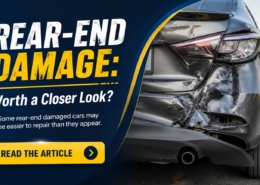 https://auction.ridesafely.com/images/2026/08/rear-end-damage-cars-banner.jpg
865
1440
RideSafely
/images/2025/01/ridesafely-logo.svg
RideSafely2026-08-25 11:10:002026-08-25 13:29:41Rear-End Damage Cars: Easier to Repair Than You Think?
https://auction.ridesafely.com/images/2026/08/rear-end-damage-cars-banner.jpg
865
1440
RideSafely
/images/2025/01/ridesafely-logo.svg
RideSafely2026-08-25 11:10:002026-08-25 13:29:41Rear-End Damage Cars: Easier to Repair Than You Think? https://auction.ridesafely.com/images/2026/08/best-us-car-auctions-overseas-buyers-banner.jpg
865
1440
RideSafely
/images/2025/01/ridesafely-logo.svg
RideSafely2026-08-18 12:42:212026-08-18 13:53:28Best U.S. Car Auctions for Overseas Buyers
https://auction.ridesafely.com/images/2026/08/best-us-car-auctions-overseas-buyers-banner.jpg
865
1440
RideSafely
/images/2025/01/ridesafely-logo.svg
RideSafely2026-08-18 12:42:212026-08-18 13:53:28Best U.S. Car Auctions for Overseas BuyersYour RideSafely Questions, Answered
From auction to driveway — we’ve got you covered.
Leave a Reply
Want to join the discussion?Feel free to contribute!