 https://auction.ridesafely.com/images/2027/07/auction-damage-codes-banner.jpg
865
1440
RideSafely
/images/2025/01/ridesafely-logo.svg
RideSafely2026-09-15 10:49:542026-09-15 13:09:23How to Decode Auction Damage Codes
https://auction.ridesafely.com/images/2027/07/auction-damage-codes-banner.jpg
865
1440
RideSafely
/images/2025/01/ridesafely-logo.svg
RideSafely2026-09-15 10:49:542026-09-15 13:09:23How to Decode Auction Damage CodesIf you’ve ever dreamed of scoring a great deal on a car straight from auction, you’re not alone. Auctions are a goldmine for savvy buyers looking for everything from salvaged rebuilds to almost-new rides. In fact, the U.S. vehicle auction market reached a whopping $3.47 billion in 2024, with projections soaring to $4.48 billion by 2030. But before you start placing bids, there’s one big question you need to ask:
Do you need a license to participate?
The answer depends on the type of auction—and your intentions. Let’s break it down.
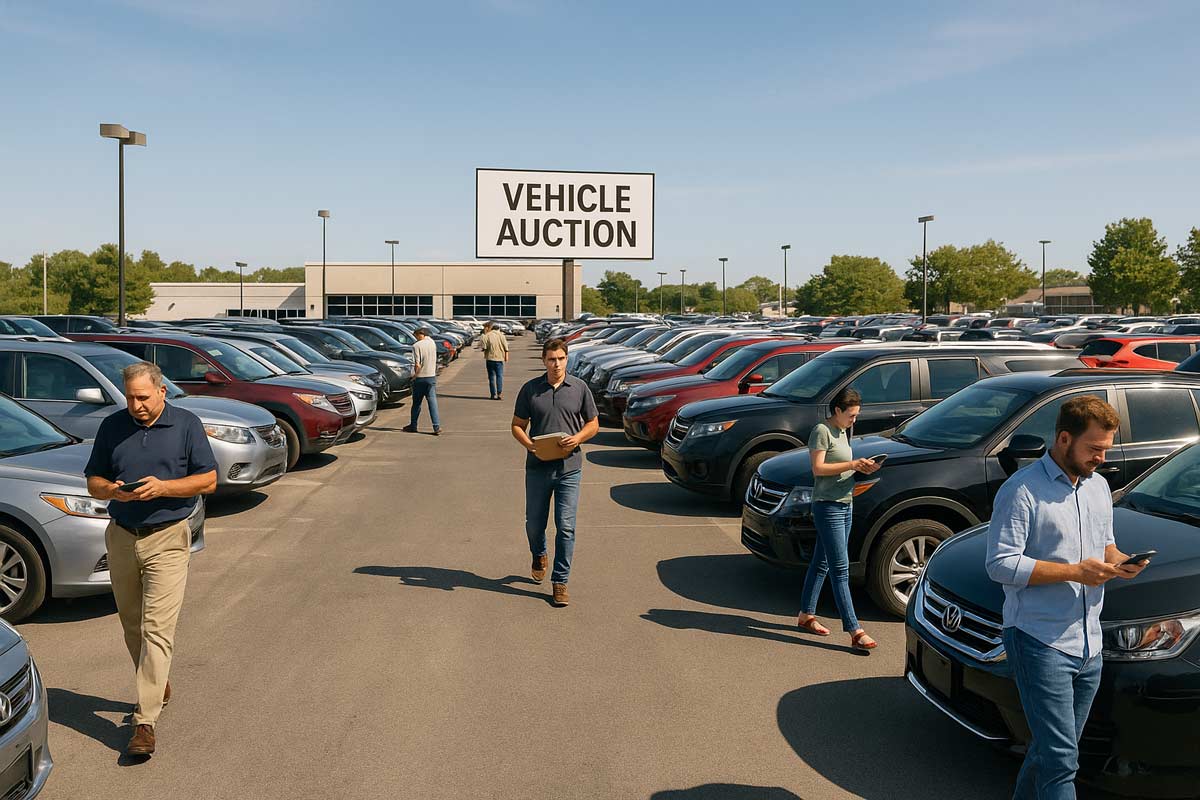
Understanding Car Auctions
What Are Car Auctions?
Car auctions are fast-paced marketplaces where vehicles are sold to the highest bidder. These auctions serve everyone from everyday buyers and collectors to professional dealers and auto shops.
Types of Car Auctions
There are two main types of auctions:
- Public auctions (open to anyone)
- Dealer-only auctions (restricted to licensed dealers)
Each one offers different perks—and requirements.
Public vs. License-Only Auctions
What Are Public Auctions?
Public car auctions are the wild west of vehicle buying. Anyone with a valid ID, some cash (or credit), and the nerve to raise a paddle can bid.
These auctions often feature:
- Older vehicles
- High-mileage models
- Salvage or rebuilt title cars
- Government surplus or police-seized vehicles
Many public auctions even offer online access so that you can buy from the comfort of your couch.
What Are License-Only Auctions?
Also known as dealer-only auctions, these are exclusive. You must hold a valid dealer license to participate.
Vehicles here are typically:
- Newer models
- Lower-mileage units
- Repossessions, lease returns, rental cars, and more
The perks? Better selection and better pricing—if you can get in.
While some auctions require dealer credentials, others are open to individuals. Learn how to make the most of wholesale vehicle auctions and explore your options buying without a dealer license.
What Is a Car Auction License?
Here’s the deal: there’s technically no “auction license.” What you actually need is a dealer license—a credential that allows you to buy and sell vehicles as a business legally. If you’re buying cars just for yourself or your personal collection, you usually don’t need a license—unless you’re flipping them for profit regularly.
How to Get a Dealer’s License
Step 1 – Set Up Your Business
You’ll need a legitimate business structure. This means:
- Registering your LLC or sole proprietorship
- Leasing or owning a commercial location
- Meeting zoning requirements (no, your garage doesn’t count)
Some states even require a sign, phone line, and posted business hours.
Step 2 – Secure a Surety Bond
This is like insurance for your future customers. Most states require a surety bond of $25,000 to $50,000, though the amount varies.
For example:
- Texas: $50,000 bond
- South Dakota: $5,000 (motorcycles) to $25,000 (cars)
Step 3 – Get Insurance Coverage
You’ll need:
- Garage liability insurance
- Inventory coverage
- Possibly workers’ comp if you have employees
Your insurance agent will know what’s required for your state.
Step 4 – Take a Dealer Course (if required)
Some states make you complete a dealer training program before applying. It’s not rocket science—just an overview of your responsibilities and legal obligations.
Step 5 – Submit Your Application
This includes:
- Paying application and plate fees
- Passing background checks
- Showing photos of your business location
- Filing all necessary forms with your DMV or licensing board
State-by-State Differences
Every state has its own quirks. Some are easygoing, while others pile on the paperwork.
Tip: Visit your state’s Department of Motor Vehicles (DMV) website to get the latest forms, fees, and step-by-step guides.
Challenges of Getting a Dealer License
High Upfront Costs
Between bonds, insurance, rent, signage, and license plates, it can get pricey fast. If you’re not planning on flipping a lot of cars, the ROI might not be worth it.
Ongoing Paperwork and Compliance
This isn’t a one-and-done process. You’ll need to:
- File sales tax reports
- Maintain title records
- Renew your license annually
It’s Not for Hobbyists
Flipping the occasional car? Stick to public auctions or platforms that allow you to access them without a license.
How to Access Dealer-Only Auctions Without a License
Here’s the game-changer: RideSafely.
Use RideSafely
RideSafely acts as a licensed intermediary, giving you access to major auto auctions without needing your own dealer license. You can bid on thousands of vehicles with no dealer paperwork required.
RideSafely allows you to:
- Browse thousands of vehicles from Copart, IAAI, and other major auctions
- Place bids without holding a dealer license
- Arrange shipping, document handling, and other post-purchase services
Why RideSafely Works
- No business registration needed
- Nationwide inventory
- Simple sign-up process
- Transparent fees
- Unlimited vehicle purchases with RideSafely
It’s the best way to enjoy dealer perks without the dealer hassle. RideSafely gives you access to a vast inventory of salvage, used, repossessed vehicles, and many more. Explore vehicles at RideSafely and find your next auction win today.
Should You Get a Dealer License?
It Makes Sense If You…
- Plan to open a used car dealership
- Want to flip cars regularly for profit
- Need access to the best wholesale inventory
It Doesn’t Make Sense If You…
- Just want a single project car
- Are buying for personal use
- Don’t want to deal with insurance and compliance
Final Thoughts
Getting a license to buy cars at auctions can unlock a whole new world of automotive deals, but it’s not for everyone. If you’re aiming to make car buying your business, the dealer route is worth it. But if you’re just an enthusiast or occasional buyer, platforms like RideSafely give you the same access minus the red tape.
Choose the route that fits your goals, your budget, and your time. Either way, the auction floor is waiting.
Frequently Asked Questions
Do I need a license to buy salvage cars?
Not necessarily. Many salvage vehicles are sold at public auctions like RideSafely or Copart where a broker account can be used.
What’s the cheapest state to get a dealer license?
States like Indiana, Mississippi, and Alabama have relatively low fees and fewer business location requirements. Always check the latest from your local DMV.
Can I use someone else’s license to attend an auction?
Nope. Most dealer-only auctions require your business name and license to match for bidding. Using someone else’s license could be considered fraud.
Is RideSafely legal and trustworthy?
Yes, RideSafely is a licensed and bonded auto auction platform that has been operating for over 20 years, providing individuals with legal access to dealer-only auctions.
How many cars can I flip without a license?
It varies by state. Some allow up to 5 cars per year without a license, while others crack down after 1–2 sales. Check your state laws to avoid penalties.
What People Are Saying

You might also like
https://auction.ridesafely.com/images/2027/07/auction-damage-codes-banner.jpg
865
1440
RideSafely
/images/2025/01/ridesafely-logo.svg
RideSafely2026-09-15 10:49:542026-09-15 13:09:23How to Decode Auction Damage Codes https://auction.ridesafely.com/images/2026/09/popular-salvage-vehicles-by-category-banner.jpg
972
1619
RideSafely
/images/2025/01/ridesafely-logo.svg
RideSafely2026-09-08 11:58:462026-09-08 13:12:02The Most Popular Salvage Vehicles by Category
https://auction.ridesafely.com/images/2026/09/popular-salvage-vehicles-by-category-banner.jpg
972
1619
RideSafely
/images/2025/01/ridesafely-logo.svg
RideSafely2026-09-08 11:58:462026-09-08 13:12:02The Most Popular Salvage Vehicles by Category https://auction.ridesafely.com/images/2026/09/front-end-damage-cars-at-auction-worth-buying.jpg
865
1440
RideSafely
/images/2025/01/ridesafely-logo.svg
RideSafely2026-09-01 12:39:592026-09-01 13:10:42Front-End Damage Cars at Auction: Worth Buying?
https://auction.ridesafely.com/images/2026/09/front-end-damage-cars-at-auction-worth-buying.jpg
865
1440
RideSafely
/images/2025/01/ridesafely-logo.svg
RideSafely2026-09-01 12:39:592026-09-01 13:10:42Front-End Damage Cars at Auction: Worth Buying? https://auction.ridesafely.com/images/2026/08/rear-end-damage-cars-banner.jpg
865
1440
RideSafely
/images/2025/01/ridesafely-logo.svg
RideSafely2026-08-25 11:10:002026-08-25 13:29:41Rear-End Damage Cars: Easier to Repair Than You Think?
https://auction.ridesafely.com/images/2026/08/rear-end-damage-cars-banner.jpg
865
1440
RideSafely
/images/2025/01/ridesafely-logo.svg
RideSafely2026-08-25 11:10:002026-08-25 13:29:41Rear-End Damage Cars: Easier to Repair Than You Think? https://auction.ridesafely.com/images/2026/08/best-us-car-auctions-overseas-buyers-banner.jpg
865
1440
RideSafely
/images/2025/01/ridesafely-logo.svg
RideSafely2026-08-18 12:42:212026-08-18 13:53:28Best U.S. Car Auctions for Overseas Buyers
https://auction.ridesafely.com/images/2026/08/best-us-car-auctions-overseas-buyers-banner.jpg
865
1440
RideSafely
/images/2025/01/ridesafely-logo.svg
RideSafely2026-08-18 12:42:212026-08-18 13:53:28Best U.S. Car Auctions for Overseas BuyersYour RideSafely Questions, Answered
From auction to driveway — we’ve got you covered.
Leave a Reply
Want to join the discussion?Feel free to contribute!