 https://auction.ridesafely.com/images/2026/10/dealer-only-car-auction-explained-banner.jpg
865
1440
RideSafely
/images/2025/01/ridesafely-logo.svg
RideSafely2026-10-13 13:22:432026-10-13 13:31:05What Does “Dealer Only” Mean at a Car Auction?
https://auction.ridesafely.com/images/2026/10/dealer-only-car-auction-explained-banner.jpg
865
1440
RideSafely
/images/2025/01/ridesafely-logo.svg
RideSafely2026-10-13 13:22:432026-10-13 13:31:05What Does “Dealer Only” Mean at a Car Auction?Introduction to Salvage Titles
When venturing into the realm of used vehicles, it’s not uncommon to encounter cars with attractive price tags that bear a “salvage title.” This article delves into the essence of salvage titles and assesses whether investing in a salvage car is a prudent decision. For a more in-depth understanding of what to look out for when evaluating a vehicle’s history, consider reading Decoding Salvage Titles: A Buyer’s Guide to Identifying Common Damage.
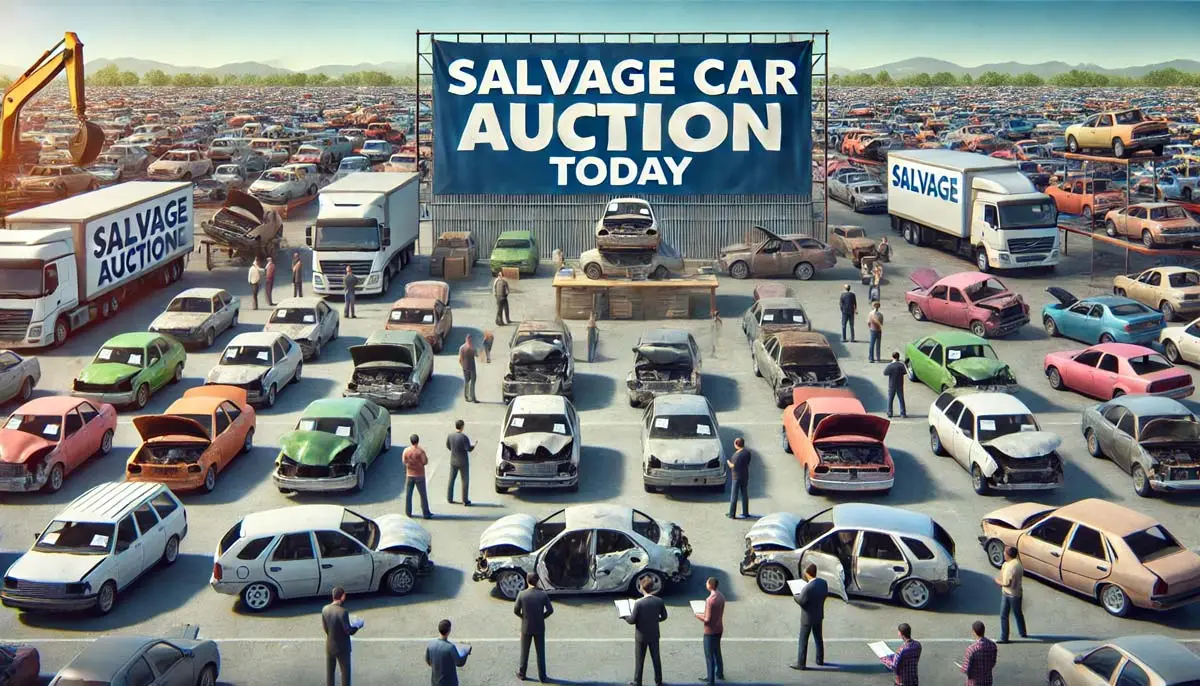
Understanding Salvage Titles
A salvage title is typically assigned to a vehicle that has sustained significant damage and is considered a total loss by an insurance company. In an effort to recuperate losses, these vehicles are sold through salvage pools and car auctions to be rebuilt. The “salvage” label on the title informs potential buyers of the car’s damaged history.
For a more comprehensive exploration of what salvage titles represent and the implications for your vehicle purchase, consider reviewing our detailed guide, Understanding Salvage Titles: A Comprehensive Overview.
Types of Damage Resulting in a Salvage Title
Salvage titles are issued under various circumstances which differ from state to state. It is crucial to understand these conditions:
- Collision-related damage.
- Damage due to fire.
- Loss due to theft, where parts of the vehicle are missing or severely damaged.
- Damage from water exposure or flooding.
- Vehicles previously used in intense service conditions like law enforcement, rental services, or as heavy-duty taxis, later refurbished for resale.
To navigate the complexities of different damage types and their implications on a car’s value, read through Decoding Damage Codes: Essential Insights for Buying Cars at Auto Auctions.
Considerations Before Purchasing a Salvage Car
Purchasing a salvage car requires careful evaluation of several factors:
- Assessing Repair Costs
Request an estimate of all repair work performed from the salvage car’s insurance provider to gauge the extent of damage and strengthen your negotiation stance. - Exploring Auto Financing Options
Traditional auto loans are typically not available for cars older than 4-5 years, particularly those with a salvage title. Prospective buyers should either have substantial cash reserves or explore alternative financing options like personal loans with favorable terms. - Investigating Lemon Laws
In some states, heavily repaired vehicles can qualify under “lemon laws,” which are designed to protect consumers from defective used cars. Understanding these laws is vital when considering a purchase from auto manufacturers or through online auctions.
Benefits of Buying a Salvage Car
Despite the challenges, there are scenarios where a salvage car might offer significant value:
Cosmetic Damage Advantage
Vehicles primarily suffering from exterior damage can be an excellent deal. Such damage might ruin the body but leave critical mechanical systems like the engine intact. These cars can often be restored at a fraction of the cost of comprehensive repairs.
Cost-Effectiveness
Severely damaged vehicles can see their prices reduced by 30-60%, making them affordable options at salvage auctions. For those willing to ship the car to countries with cheaper repair costs, this can result in a car that feels nearly new.
Spare Parts Harvesting
For hobbyists who enjoy vehicle restoration, salvage cars provide a treasure trove of spare parts. Dismantling these vehicles can turn a profit, as individual components may be worth more than the whole.
Is a Salvage Car Purchase Justifiable?
Buying a salvage car can be a viable option if you are prepared for potentially extensive repairs and can manage without comprehensive insurance, as some insurers may only offer limited coverage for such vehicles. The decision is particularly sound if the damage is cosmetic, allowing for DIY repairs that are much more cost-effective than professional services.
Conclusion: Evaluating the Worth of a Salvage Car
The decision to purchase a salvage car hinges on individual circumstances, including one’s ability to handle repairs and the specific conditions of the vehicle. With thorough research and careful consideration, salvage cars can indeed represent a worthwhile investment, particularly for those skilled in car repair or seeking valuable parts. For an extensive selection of used and repairable salvage vehicles, consider exploring the offerings at RideSafely.
Frequently Asked Questions: Understanding Salvage Car Investments
What exactly is a salvage title?
A salvage title is issued to vehicles that have been declared a total loss by an insurance company due to significant damage. This label warns potential buyers about the car’s history of damage.
How can I find out what type of damage led to a salvage title?
The specific details of the damage are typically listed in the vehicle’s history report. Additionally, reading through state-specific salvage title laws can provide insights into the criteria used to declare a vehicle as salvage.
Are salvage cars cheaper than other used cars?
Yes, salvage cars are generally cheaper because they have sustained significant damage. The reduction in price reflects the cost and effort required to repair and re-certify these vehicles.
Can I get financing for a salvage title car?
Financing a salvage title car can be challenging as many banks and financial institutions hesitate to offer loans for such vehicles. However, alternative financing options such as personal loans might be available.
What should I check before buying a salvage car?
It’s crucial to check the extent of damage, the cost of necessary repairs, and the car’s current condition. Consider hiring a professional mechanic to conduct a thorough inspection.
Are there benefits to buying a salvage car?
Yes, salvage cars can be a good investment if the damage is mostly cosmetic or if you are looking for a vehicle for parts. These cars can often be bought at a significant discount and, with proper repairs, might serve well for personal use or resale.
What are the risks of buying a salvage car?
The risks include unforeseen repair costs, and the potential of never fully restoring the car’s performance and safety features.
Can I insure a salvage title car?
You can obtain insurance for a car with a salvage title once it has been repaired, inspected, and issued a rebuilt title. With a rebuilt title, you are typically eligible to secure liability insurance. However, obtaining full coverage might be challenging as some insurers may be reluctant to offer comprehensive policies for rebuilt salvage vehicles.
How do I re-title a salvage car as rebuilt?
The process involves repairing the vehicle, having it inspected by the appropriate state authorities, and submitting the necessary paperwork to your state’s DMV. Requirements vary by state, so it’s important to check local regulations.
Is buying a salvage car a good idea?
Buying a salvage car can be a wise investment if you have the resources and expertise to manage repairs, or if you find a vehicle with manageable damage. Assessing each car on a case-by-case basis is crucial to making a sound decision.
What People Are Saying

You might also like
https://auction.ridesafely.com/images/2026/10/dealer-only-car-auction-explained-banner.jpg
865
1440
RideSafely
/images/2025/01/ridesafely-logo.svg
RideSafely2026-10-13 13:22:432026-10-13 13:31:05What Does “Dealer Only” Mean at a Car Auction? https://auction.ridesafely.com/images/2026/10/actual-vs-not-actual-mileage-banner.jpg
865
1440
RideSafely
/images/2025/01/ridesafely-logo.svg
RideSafely2026-10-06 14:31:302026-10-13 13:22:41Actual Mileage vs Not Actual Mileage at Car Auctions
https://auction.ridesafely.com/images/2026/10/actual-vs-not-actual-mileage-banner.jpg
865
1440
RideSafely
/images/2025/01/ridesafely-logo.svg
RideSafely2026-10-06 14:31:302026-10-13 13:22:41Actual Mileage vs Not Actual Mileage at Car Auctions https://auction.ridesafely.com/images/2026/09/auction-car-with-no-keys-buyer-guide-banner.jpg
865
1440
RideSafely
/images/2025/01/ridesafely-logo.svg
RideSafely2026-09-29 12:05:282026-10-06 13:50:49Auction Cars With No Keys What to Know Before You Bid
https://auction.ridesafely.com/images/2026/09/auction-car-with-no-keys-buyer-guide-banner.jpg
865
1440
RideSafely
/images/2025/01/ridesafely-logo.svg
RideSafely2026-09-29 12:05:282026-10-06 13:50:49Auction Cars With No Keys What to Know Before You Bid https://auction.ridesafely.com/images/2026/09/parts-only-salvage-auction-guide-banner.jpg
865
1440
RideSafely
/images/2025/01/ridesafely-logo.svg
RideSafely2026-09-22 12:45:062026-09-22 13:35:34What Does Parts Only Mean at a Salvage Auction?
https://auction.ridesafely.com/images/2026/09/parts-only-salvage-auction-guide-banner.jpg
865
1440
RideSafely
/images/2025/01/ridesafely-logo.svg
RideSafely2026-09-22 12:45:062026-09-22 13:35:34What Does Parts Only Mean at a Salvage Auction? https://auction.ridesafely.com/images/2027/07/auction-damage-codes-banner.jpg
865
1440
RideSafely
/images/2025/01/ridesafely-logo.svg
RideSafely2026-09-15 10:49:542026-09-15 13:09:23How to Decode Auction Damage Codes
https://auction.ridesafely.com/images/2027/07/auction-damage-codes-banner.jpg
865
1440
RideSafely
/images/2025/01/ridesafely-logo.svg
RideSafely2026-09-15 10:49:542026-09-15 13:09:23How to Decode Auction Damage Codes
Leave a Reply
Want to join the discussion?Feel free to contribute!