 https://auction.ridesafely.com/images/2026/10/dealer-only-car-auction-explained-banner.jpg
865
1440
RideSafely
/images/2025/01/ridesafely-logo.svg
RideSafely2026-10-13 13:22:432026-10-13 13:31:05What Does “Dealer Only” Mean at a Car Auction?
https://auction.ridesafely.com/images/2026/10/dealer-only-car-auction-explained-banner.jpg
865
1440
RideSafely
/images/2025/01/ridesafely-logo.svg
RideSafely2026-10-13 13:22:432026-10-13 13:31:05What Does “Dealer Only” Mean at a Car Auction?Understanding Salvage Teslas
What Makes a Tesla Salvage?
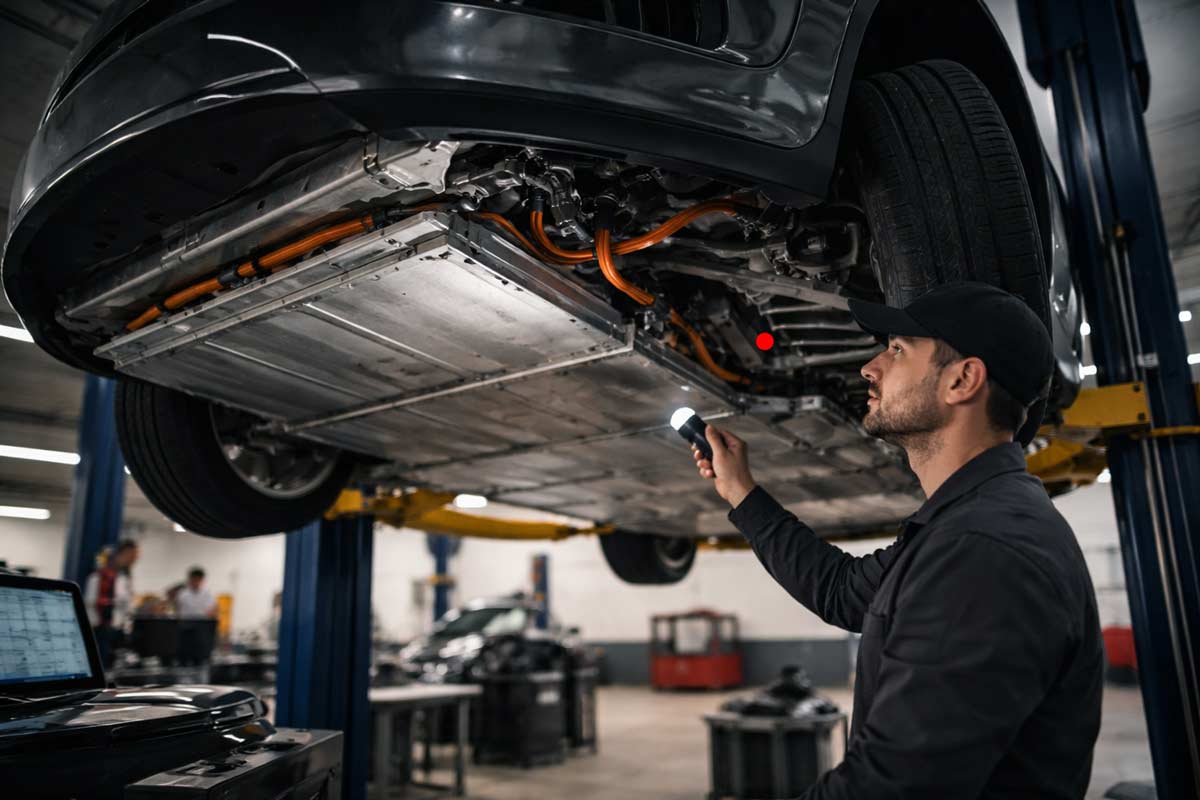
A Tesla becomes “salvage” when an insurance company determines that repairing the vehicle would cost more than a significant percentage of its value. That might sound extreme, but here’s the twist: Teslas don’t need catastrophic damage to be written off. Even moderate accidents can trigger a total-loss decision due to how these vehicles are engineered.
Think about it like this: traditional cars are like Lego sets, modular, replaceable, and predictable. Teslas, on the other hand, are more like sealed tech devices. Their integrated battery packs, structural castings, and sensor-heavy systems make even minor repairs complex and expensive. That complexity drives insurance companies to total them faster than gas-powered vehicles.
This phenomenon isn’t rare. In fact, many Tesla vehicles are being declared salvage prematurely due to high repair costs and specialized parts requirements. Add in limited repair networks and proprietary components, and you get a perfect storm that pushes relatively new Teslas into salvage auctions.
So when you see a salvage Tesla at auction, it doesn’t automatically mean it’s destroyed beyond hope. Sometimes, it simply means the math didn’t make sense for the insurer. That’s exactly where both opportunity and risk begin.
Why Teslas Are Frequently Totaled
The main driver behind Tesla’s salvage rates is cost. Repairs on EVs, especially Teslas, are notoriously expensive due to their advanced engineering and reliance on specialized parts. Battery systems alone can turn a repair into a financial nightmare.
Here’s the reality: Tesla battery replacement costs can range anywhere from $5,000 to $25,000, depending on the model. In many cases, even a minor collision that impacts the battery housing can result in a total loss decision. That’s because battery packs are often difficult to repair and may need to be replaced entirely.
It gets more interesting. Some estimates place battery replacements for models like the Model Y between $12,000 and $15,000. Combine that with labor, calibration, and structural repairs, and suddenly a $20,000 car needs $18,000 in repairs. Insurance companies simply walk away.
Another key factor is design. Tesla’s use of large cast components means that damage to one section can require replacing entire structural pieces rather than repairing small sections. That dramatically increases repair costs and complexity.
All of this explains why salvage Teslas flood auction platforms. They’re not always “junk”; they’re often just economically impractical for insurers.
How Tesla Auctions Work
Where to Buy Salvage Teslas
Salvage Teslas are primarily sold through online auto auction platforms. These marketplaces have exploded in popularity, especially as EV adoption grows and more vehicles enter the salvage pipeline.
You’ll typically find salvage Teslas on platforms like Copart, IAAI, and RideSafely. These auctions are accessible to both dealers and the general public, depending on the platform. Some, like RideSafely, allow you to bid without a dealer license, opening the door for everyday buyers.
Listings usually include key details such as damage type, estimated retail value, and whether the car is “Run & Drive.” For example, recent auction listings show Tesla Model 3 vehicles with estimated retail values around $15,000–$18,000, depending on condition.
But here’s the catch: what you see isn’t always what you get. Photos can hide critical damage, especially to the battery or underbody. That’s why experienced buyers treat every listing like a puzzle rather than a guarantee.
Types of Auction Listings Explained
Understanding listing types is critical to avoid costly mistakes. Salvage auctions don’t operate like traditional dealerships; they’re more like high-stakes poker games where information is incomplete.
Common listing types include:
- Run & Drive: The vehicle can move under its own power
- Stationary: The car does not run
- Enhanced Vehicles: Additional inspection data available
- Clean Title with Damage: Not salvage yet, but risky
Each type tells a story. A “Run & Drive” Tesla might still have hidden electrical issues, while a “Stationary” one could simply have a disconnected battery.
Smart buyers dig deeper. They check for missing components, battery status, and signs of structural damage. According to EV auction guidance, verifying that the high-voltage battery is intact is one of the most critical steps before bidding.
Real Costs of Buying a Salvage Tesla
Purchase Price vs Market Value
The biggest attraction of salvage Teslas is the price. You can often buy one for 30% to 60% less than a clean-title equivalent. Sounds like a steal, right?
Well, not so fast.
Salvage vehicles typically lose 20% to 40% or more of their value compared to clean-title cars. That discount reflects risk, not guaranteed profit. The real question isn’t how cheap you can buy; it’s how much you’ll spend after the purchase.
Let’s break it down:
| Category | Clean Tesla | Salvage Tesla |
|---|---|---|
| Purchase Price | $25,000 | $12,000 |
| Repair Costs | $0 | $8,000–$20,000 |
| Final Value | $25,000 | 15,000–$18,000 |
The math can work, but only if you control costs.
Battery Replacement Costs
The battery is the single most important factor when evaluating a salvage Tesla. If it’s damaged, missing, or degraded, your bargain can quickly turn into a financial disaster.
Battery replacements can range from $10,000 to $20,000+, depending on the model and condition. In extreme cases, costs can exceed the vehicle’s value.
Here’s the tricky part: auction listings don’t always clearly state battery condition. That means you’re often bidding with incomplete information.
Labor and Hidden Repair Expenses
Labor is where things really spiral. Tesla repairs require specialized tools, certified technicians, and often proprietary software access. That means fewer repair options and higher prices.
Hidden costs include:
- Calibration of sensors and cameras
- Software resets and firmware updates
- Structural repairs requiring full component replacement
- Transport costs for non-drivable vehicles
Many buyers underestimate these expenses. What looks like a $5,000 repair can easily balloon into $12,000 once everything is factored in.
Pros of Buying Salvage Teslas
Massive Discounts
Let’s be honest, this is why most people even consider salvage Teslas. The price gap can be huge. You’re essentially getting access to premium EV technology at a fraction of the cost.
And not just any tech, Tesla vehicles come packed with advanced features like Autopilot, over-the-air updates, and cutting-edge infotainment systems. Buying salvage means you can experience all of that without paying full retail.
For DIY mechanics or experienced rebuilders, this is where real value lives.
High-Tech Features for Less
Even damaged Teslas retain valuable components. Motors, batteries, screens, and electronics all have strong resale markets. In fact, many buyers purchase salvage Teslas specifically for parts.
There’s a thriving ecosystem around EV salvage. Components like battery modules and drive units can be resold individually, sometimes generating significant returns.
Cons of Buying Salvage Teslas
Expensive Repairs
This is the elephant in the room. Tesla repair costs are among the highest in the industry, and they’re a major reason so many vehicles end up in salvage auctions.
High repair costs often make Teslas uneconomical to fix, pushing them into salvage status even after relatively minor damage.
Insurance and Resale Challenges
Owning a salvage Tesla comes with long-term drawbacks. Insurance can be difficult to obtain, and when you do get coverage, it’s often more expensive.
Resale value is another issue. Buyers are wary of salvage titles, especially for EVs, where hidden battery damage is a concern. Even after repairs, your car may always carry a stigma that limits its market appeal.
Key Factors That Determine Value
Battery Condition
If there’s one rule to remember, it’s this: the battery determines everything.
A salvage Tesla with a healthy battery can be a great deal. One with a damaged battery is often a money pit.
Type of Damage
Not all damage is equal. Cosmetic issues like dents or scratches are relatively easy to fix. Structural or battery-related damage is a completely different story.
Front-end collisions, underbody impacts, and water damage should raise immediate red flags.
Who Should Buy Salvage Teslas
Ideal Buyers
Salvage Teslas are best suited for:
- Experienced mechanics
- Auto body professionals
- EV enthusiasts with technical knowledge
- Parts resellers
If you understand the risks and have the skills to manage repairs, the upside can be significant.
Who Should Avoid Them
If you’re looking for a reliable daily driver with minimal hassle, salvage Teslas are probably not for you. The uncertainty alone can outweigh any savings.
Smart Buying Strategy
Pre-Bid Inspection Checklist
Before placing a bid, always verify:
- Battery presence and condition
- Type of damage
- Vehicle status (Run & Drive vs Stationary)
- Missing parts
Skipping this step is like buying a house without an inspection.
Exit Strategy Planning
Ask yourself one question before bidding: What’s my end goal?
Are you rebuilding for personal use? Flipping for profit? Parting out?
Your strategy should guide your purchase, not the other way around.
Salvage Tesla vs Gas Salvage Cars
Here’s where things get interesting. Salvage gas cars are generally easier and cheaper to repair. Parts are widely available, and labor is more affordable.
Teslas, on the other hand, require specialized knowledge and tools. That raises the barrier to entry, but also creates opportunities for those who understand the market.
Conclusion
Salvage Teslas sit at the intersection of opportunity and risk. They offer access to cutting-edge EV technology at deeply discounted prices, but they also come with hidden costs that can quickly erase any savings.
Simply put, salvage Teslas are worth buying, but only for the right buyer.
If you have the expertise, patience, and strategy, you can unlock serious value. If not, what looks like a deal can easily turn into an expensive lesson.
If you’re looking to buy a salvage Tesla, you can always rely on the RideSafely seasoned team for guidance and recommendations.
Frequently Asked Questions
Are salvage Teslas safe to drive after repair?
Yes, if repaired properly by qualified professionals. Poor repairs, especially involving the battery, can pose safety risks.
How much cheaper are salvage Teslas?
Typically 30% to 60% cheaper than clean-title vehicles, depending on damage and condition.
Can I insure a salvage Tesla?
Yes, but options may be limited and premiums are often higher.
Is it worth fixing a salvage Tesla battery?
It depends on cost vs vehicle value. Battery replacements can exceed $15,000, so careful evaluation is critical.
Can beginners buy salvage Teslas?
Technically yes, but it’s risky. Without experience, costs and complications can quickly escalate.
What People Are Saying

You might also like
https://auction.ridesafely.com/images/2026/10/dealer-only-car-auction-explained-banner.jpg
865
1440
RideSafely
/images/2025/01/ridesafely-logo.svg
RideSafely2026-10-13 13:22:432026-10-13 13:31:05What Does “Dealer Only” Mean at a Car Auction? https://auction.ridesafely.com/images/2026/10/actual-vs-not-actual-mileage-banner.jpg
865
1440
RideSafely
/images/2025/01/ridesafely-logo.svg
RideSafely2026-10-06 14:31:302026-10-13 13:22:41Actual Mileage vs Not Actual Mileage at Car Auctions
https://auction.ridesafely.com/images/2026/10/actual-vs-not-actual-mileage-banner.jpg
865
1440
RideSafely
/images/2025/01/ridesafely-logo.svg
RideSafely2026-10-06 14:31:302026-10-13 13:22:41Actual Mileage vs Not Actual Mileage at Car Auctions https://auction.ridesafely.com/images/2026/09/auction-car-with-no-keys-buyer-guide-banner.jpg
865
1440
RideSafely
/images/2025/01/ridesafely-logo.svg
RideSafely2026-09-29 12:05:282026-10-06 13:50:49Auction Cars With No Keys What to Know Before You Bid
https://auction.ridesafely.com/images/2026/09/auction-car-with-no-keys-buyer-guide-banner.jpg
865
1440
RideSafely
/images/2025/01/ridesafely-logo.svg
RideSafely2026-09-29 12:05:282026-10-06 13:50:49Auction Cars With No Keys What to Know Before You Bid https://auction.ridesafely.com/images/2026/09/parts-only-salvage-auction-guide-banner.jpg
865
1440
RideSafely
/images/2025/01/ridesafely-logo.svg
RideSafely2026-09-22 12:45:062026-09-22 13:35:34What Does Parts Only Mean at a Salvage Auction?
https://auction.ridesafely.com/images/2026/09/parts-only-salvage-auction-guide-banner.jpg
865
1440
RideSafely
/images/2025/01/ridesafely-logo.svg
RideSafely2026-09-22 12:45:062026-09-22 13:35:34What Does Parts Only Mean at a Salvage Auction? https://auction.ridesafely.com/images/2027/07/auction-damage-codes-banner.jpg
865
1440
RideSafely
/images/2025/01/ridesafely-logo.svg
RideSafely2026-09-15 10:49:542026-09-15 13:09:23How to Decode Auction Damage Codes
https://auction.ridesafely.com/images/2027/07/auction-damage-codes-banner.jpg
865
1440
RideSafely
/images/2025/01/ridesafely-logo.svg
RideSafely2026-09-15 10:49:542026-09-15 13:09:23How to Decode Auction Damage CodesYour RideSafely Questions, Answered
From auction to driveway — we’ve got you covered.
Leave a Reply
Want to join the discussion?Feel free to contribute!