 https://auction.ridesafely.com/images/2026/10/dealer-only-car-auction-explained-banner.jpg
865
1440
RideSafely
/images/2025/01/ridesafely-logo.svg
RideSafely2026-10-13 13:22:432026-10-13 13:31:05What Does “Dealer Only” Mean at a Car Auction?
https://auction.ridesafely.com/images/2026/10/dealer-only-car-auction-explained-banner.jpg
865
1440
RideSafely
/images/2025/01/ridesafely-logo.svg
RideSafely2026-10-13 13:22:432026-10-13 13:31:05What Does “Dealer Only” Mean at a Car Auction?When purchasing a vehicle at an auction, understanding the title type is essential. Auction vehicles can come with various titles, including clean, salvage, rebuilt, flood, or branded titles. A clean title indicates the car has never been declared a total loss by an insurance company. In contrast, a salvage title means the vehicle was involved in an incident that caused the insurance company to deem it a total loss.
For readers who want to dive deeper into title distinctions, see our guide on vehicle titles explained.
What Is a Clean Title?
A clean title certifies that a vehicle has never sustained severe damage, been declared a total loss, or experienced major incidents such as fire or flood. Vehicles with clean titles generally have higher resale values and are easier to insure. However, not all auction vehicles come with clean titles, and buyers must carefully review the listing details. It is also important to recognize that there are 10 title types that could impact your purchase and ownership experience.
Auction Sources and Title Types
Auctions obtain vehicles from a variety of sources:
- Insurance Companies: Frequently sell salvage or branded title vehicles.
- Rental Car Companies: Often provide clean-title, well-maintained vehicles with service histories.
- Fleet Liquidations: May offer both clean and branded titles.
- Dealer Trades: Generally clean title vehicles, but always verify.
- Repossessions: Typically have clean titles unless involved in major incidents.
Clean Titles at Auto Auctions: How Common Are They?
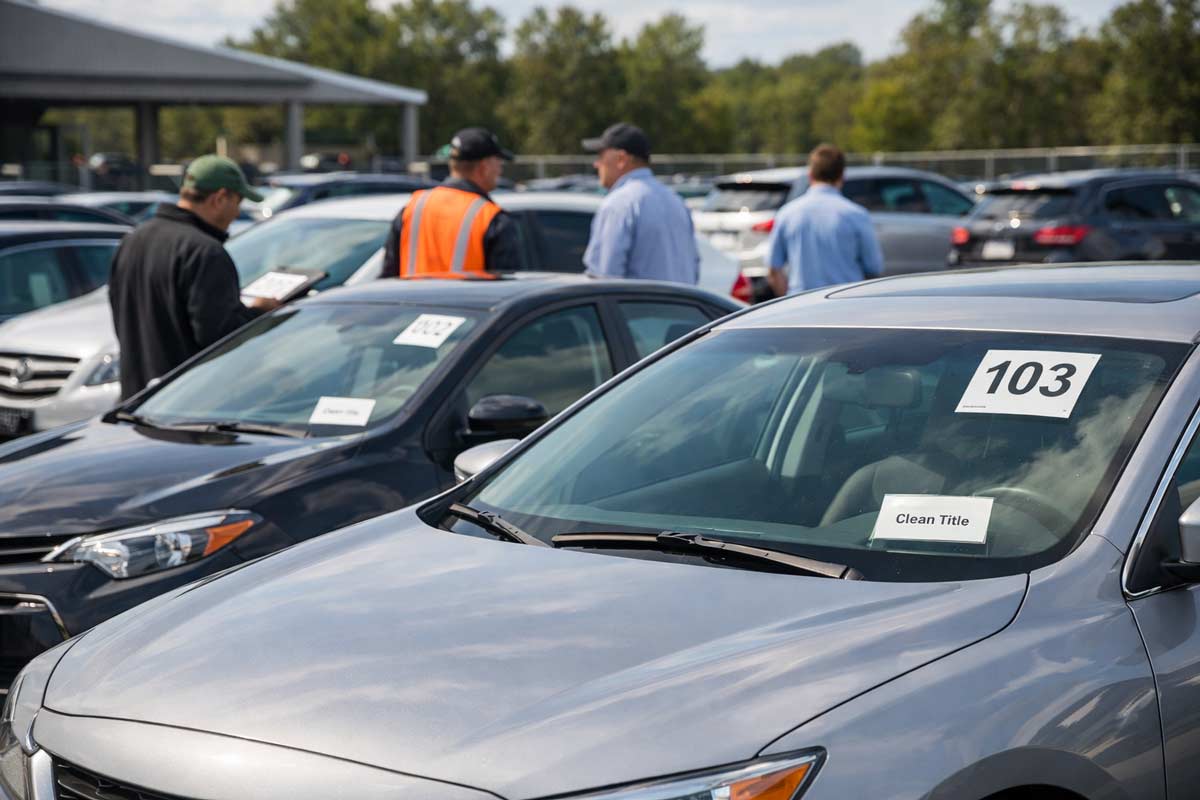
Clean-title vehicles are available at most auctions, but are less prevalent than salvage or branded-title vehicles. Insurance auto auctions are more likely to list salvage titles, whereas dealer-only or public auctions may feature more clean title inventory.
| Auction Type | Likelihood of Clean Titles |
|---|---|
| Insurance Auctions | Low |
| Dealer Auctions | High |
| Public Auctions | Moderate |
| Online Auctions | Mixed |
Some buyers may encounter vehicles with salvage titles and want to restore their value. If this applies to your situation, see our step-by-step guide on removing a salvage title and the requirements by state.
How to Identify a Clean Title Auction Car
- Check the Listing: Reputable auction platforms clearly indicate the title status.
- Request a VIN Report: Use services like Carfax or AutoCheck to confirm the title history.
- Review the Photos and Condition Reports: Detailed reports often highlight prior damage or title concerns.
- Ask for Documentation: Always request title documentation before bidding.
Risks of Assuming an Auction Car Has a Clean Title
- Misleading Listings: Some sellers use language that may confuse buyers. “Title in hand” does not guarantee a clean title.
- Title Washing: Vehicles moved across state lines may have their titles reissued to hide branded history.
- Rebuilt Titles: Vehicles with prior salvage history that have been repaired and inspected may appear as “rebuilt,” not “clean.”
The Process of Bidding on Clean Title Vehicles
1. Registration and Verification
- Register with the auction platform and provide the necessary identification.
- Verify your ability to bid on clean title vehicles; some auctions are dealer-only.
2. Vehicle Inspection
- Review inspection reports and inspect the vehicle in person.
3. Bidding and Purchase
- Place your bids in accordance with the auction terms.
- Winning the bid secures your right to purchase, pending payment and paperwork.
4. Title Transfer
- Ensure you receive the correct title—double-check for the “clean” designation.
- Complete transfer procedures per your state’s DMV requirements.
Benefits of Buying Auction Cars With Clean Titles
- Greater Resale Value: Clean title vehicles fetch higher prices on resale.
- Easier Financing: Lenders prefer clean titles, offering better loan terms.
- Lower Insurance Costs: Insurance premiums are lower for clean title vehicles.
- Peace of Mind: Fewer concerns about hidden structural or safety issues.
Tips for Buyers Seeking Clean Title Cars at Auctions
- Read Listings Carefully: Look for specific statements such as “clean title in hand.”
- Use VIN Decoding Tools: Validate history through reputable sources.
- Work With a Trusted Broker: Consider using a licensed broker with direct auction access for peace of mind.
- Understand State Laws: Title branding and transfer rules vary by state—know your local regulations.
- Budget for Inspections: Investing in a professional pre-purchase inspection can reveal hidden issues.
Final Thoughts
Securing a clean title vehicle at auction requires diligence, research, and an understanding of the auction process. We recommend constantly verifying the title status independently and working with trustworthy platforms or brokers. A clean title can offer confidence, value, and reliability, but only if you confirm its authenticity before purchasing.
Frequently Asked Questions
Can you trust a vehicle’s clean title at auction?
Reputable auction companies and online platforms strive for transparency. Always verify the title through independent reports and direct documentation. Be sure to check out RideSafely for the best car auction bargains.
Why do some auction cars not have clean titles?
Many vehicles arrive at auction after total loss incidents, theft recovery, or flood damage, resulting in branded titles. Check out the top reasons cars receive salvage titles.
Are clean title auction cars always accident-free?
A clean title does not guarantee a vehicle is accident-free. Minor accidents not reported to insurance may not affect the title status.
What People Are Saying

You might also like
https://auction.ridesafely.com/images/2026/10/dealer-only-car-auction-explained-banner.jpg
865
1440
RideSafely
/images/2025/01/ridesafely-logo.svg
RideSafely2026-10-13 13:22:432026-10-13 13:31:05What Does “Dealer Only” Mean at a Car Auction? https://auction.ridesafely.com/images/2026/10/actual-vs-not-actual-mileage-banner.jpg
865
1440
RideSafely
/images/2025/01/ridesafely-logo.svg
RideSafely2026-10-06 14:31:302026-10-13 13:22:41Actual Mileage vs Not Actual Mileage at Car Auctions
https://auction.ridesafely.com/images/2026/10/actual-vs-not-actual-mileage-banner.jpg
865
1440
RideSafely
/images/2025/01/ridesafely-logo.svg
RideSafely2026-10-06 14:31:302026-10-13 13:22:41Actual Mileage vs Not Actual Mileage at Car Auctions https://auction.ridesafely.com/images/2026/09/auction-car-with-no-keys-buyer-guide-banner.jpg
865
1440
RideSafely
/images/2025/01/ridesafely-logo.svg
RideSafely2026-09-29 12:05:282026-10-06 13:50:49Auction Cars With No Keys What to Know Before You Bid
https://auction.ridesafely.com/images/2026/09/auction-car-with-no-keys-buyer-guide-banner.jpg
865
1440
RideSafely
/images/2025/01/ridesafely-logo.svg
RideSafely2026-09-29 12:05:282026-10-06 13:50:49Auction Cars With No Keys What to Know Before You Bid https://auction.ridesafely.com/images/2026/09/parts-only-salvage-auction-guide-banner.jpg
865
1440
RideSafely
/images/2025/01/ridesafely-logo.svg
RideSafely2026-09-22 12:45:062026-09-22 13:35:34What Does Parts Only Mean at a Salvage Auction?
https://auction.ridesafely.com/images/2026/09/parts-only-salvage-auction-guide-banner.jpg
865
1440
RideSafely
/images/2025/01/ridesafely-logo.svg
RideSafely2026-09-22 12:45:062026-09-22 13:35:34What Does Parts Only Mean at a Salvage Auction? https://auction.ridesafely.com/images/2027/07/auction-damage-codes-banner.jpg
865
1440
RideSafely
/images/2025/01/ridesafely-logo.svg
RideSafely2026-09-15 10:49:542026-09-15 13:09:23How to Decode Auction Damage Codes
https://auction.ridesafely.com/images/2027/07/auction-damage-codes-banner.jpg
865
1440
RideSafely
/images/2025/01/ridesafely-logo.svg
RideSafely2026-09-15 10:49:542026-09-15 13:09:23How to Decode Auction Damage CodesYour RideSafely Questions, Answered
From auction to driveway — we’ve got you covered.
Leave a Reply
Want to join the discussion?Feel free to contribute!