 https://auction.ridesafely.com/images/2026/10/dealer-only-car-auction-explained-banner.jpg
865
1440
RideSafely
/images/2025/01/ridesafely-logo.svg
RideSafely2026-10-13 13:22:432026-10-13 13:31:05What Does “Dealer Only” Mean at a Car Auction?
https://auction.ridesafely.com/images/2026/10/dealer-only-car-auction-explained-banner.jpg
865
1440
RideSafely
/images/2025/01/ridesafely-logo.svg
RideSafely2026-10-13 13:22:432026-10-13 13:31:05What Does “Dealer Only” Mean at a Car Auction?Buying an IAA vehicle as a public buyer can be a smart move. However, you need to understand the rules first. IAA allows public buyers to bid and buy in select states. In fact, IAA states that a public buyer account lets you bid and buy in 29 U.S. states with a government-issued ID.
Still, public access does not apply to every vehicle. Some auctions require a business license, dealer license, or broker. Therefore, the safest approach is to check your eligibility before you bid.
If you are trying to buy a vehicle without paying full retail price at a traditional dealership, IAA naturally shows up on your radar. It is one of the largest vehicle auction marketplaces in the space, listing more than 2.5 million vehicles every year across more than 200 locations. This tells you right away that it is not some tiny, back-alley auction site with a handful of wrecks and mystery inventory.
What Is an IAA Public Buyer?
An IAA public buyer is an individual buyer without a business license. This account type allows regular buyers to access eligible online auto auctions. As a result, you can shop for used cars, salvage vehicles, clean title vehicles, and repairable cars.
However, your bidding options depend on your state and the vehicle’s title type. Some states allow public buyers to purchase directly. Others require licensed business buyers or approved brokers.
Because of that, always review the vehicle listing carefully. The listing should show whether you can bid directly.
Step 1: Create an IAA Public Buyer Account
First, visit IAA’s registration page and choose the public buyer option. You will need basic personal information. You will also need a government-issued ID.
Additionally, IAA may request proof of address if your ID does not show it. IAA notes that buyers in states that do not permit public buying may need a broker or business account.
After registration, review your account limits. Then, confirm which auctions you can access. This step prevents wasted time and bidding issues.
Step 2: Search for Public Buyer Vehicles
Next, search for vehicles available to public buyers. Use filters to narrow your options. You can search by make, model, location, title type, damage type, mileage, and auction date.
However, do not focus only on the current bid. A low bid does not mean a low final cost. Instead, look at the total buying picture.
Consider auction fees, transportation, repairs, title processing, and registration. Also, check whether the vehicle starts, runs, or needs major work.
Step 3: Review the Vehicle Details Carefully
Before bidding, study the listing closely. Look at all photos, title status, damage notes, keys, odometer reading, and sale documents. You can also learn how to read condition reports before making a bidding decision.
Then, compare the vehicle’s estimated repair cost with its market value. This step matters even more for salvage cars. A cheap vehicle can become expensive after repairs.
Also, remember that auction vehicles are usually sold as-is. Therefore, you should not assume the car needs only minor work.
Whenever possible, order an inspection. A professional review can help you avoid costly mistakes.
Step 4: Understand Title Types and Damage Codes
Title type matters. A clean title vehicle may be easier to register. However, a salvage title vehicle may need repairs and inspection first. If you are comparing options, review whether rebuilt title cars make sense for your budget and goals.
In many cases, rebuilt title rules vary by state. Therefore, check your local DMV requirements before bidding.
Damage codes also matter. Front-end damage, undercarriage damage, flood damage, and mechanical damage carry different risks. For example, flood damage can create electrical problems. Meanwhile, undercarriage damage may affect suspension or frame components.
Because of this, never judge a vehicle by photos alone.
Step 5: Know When You Need a Broker
Sometimes, public buyers cannot bid directly. This can happen because of state rules, title restrictions, or licensing requirements.
In that case, a broker can help. IAA’s registration guidance says buyers in restricted states may need a broker or business account.
A broker may give you access to vehicles that require licensing. However, broker services add fees. So, review the broker’s cost before placing any bid.
Also, confirm who handles payment, paperwork, pickup, and title delivery.
Whether you are a dealer, exporter, or public buyer, RideSafely makes it easy to search, bid on, and purchase eligible IAA vehicles online.
Step 6: Set a Realistic Maximum Bid
Before auction day, set your maximum bid. This number should include more than the vehicle price.
Add buyer fees, internet fees, storage fees, loading fees, transportation, repairs, and taxes. Then, compare that total with the vehicle’s resale or personal-use value. You should also estimate repair costs before setting your maximum bid.
Additionally, leave room for unexpected repairs. Salvage and auction vehicles often need more work than expected.
Most importantly, avoid emotional bidding. If the price passes your budget, stop bidding.
Step 7: Place Your Bid and Monitor the Auction
Once you find the right vehicle, place your bid. You may enter a pre-bid before the live auction starts. Then, you can watch the auction and adjust your strategy.
However, do not bid just because the vehicle looks attractive. Stay focused on value, condition, and total cost.
If you win, IAA will provide payment instructions. Follow those instructions quickly. Late payments may lead to penalties or account issues.
Step 8: Pay for the Vehicle and Arrange Pickup
After winning, complete payment within the required timeframe. Then, arrange pickup or shipping.
You can use a transporter, tow company, or approved carrier. However, confirm the vehicle’s condition first. A non-running vehicle may need special equipment.
Also, check storage deadlines. Auction yards may charge daily storage after the free period ends.
Therefore, plan transportation before you bid. This simple step can save money and stress.
Common Mistakes Public Buyers Should Avoid
Many first-time buyers make the same mistakes. They bid without checking title rules. They ignore total fees. They underestimate repair costs. Also, they forget transportation expenses.
Another common mistake is buying a vehicle without understanding the damage. Photos can help, but they do not show everything.
Therefore, always research before bidding. If the numbers do not make sense, move on.
Final Thoughts
Buying an IAA vehicle as a public buyer is possible. However, it requires planning, research, and discipline.
Start by confirming your eligibility. Then, review each vehicle carefully. After that, calculate the full cost before you bid.
Most importantly, treat every auction purchase as-is. A good deal should still make sense after fees, repairs, and transportation.
When you follow the right steps, IAA can offer strong opportunities. However, smart buyers focus on the total value, not just the winning bid.
Frequently Asked Questions
Can the public buy vehicles from IAA?
Yes, public buyers can buy vehicles from IAA in eligible states. However, not every vehicle is available to the public. Some listings require a business license, dealer license, or broker. Before bidding, check the vehicle details and confirm whether your public buyer account can place a bid. This helps avoid registration issues, payment delays, or bidding on a vehicle you cannot legally purchase.
Do I need a dealer license to buy an IAA vehicle?
You do not always need a dealer license to buy an IAA vehicle. Public buyers can bid on eligible vehicles without a dealer license in approved states. However, some vehicles are restricted because of title type, state rules, or auction requirements. If a listing is not open to public buyers, you may need to work with a licensed broker to complete the purchase.
How do I know if an IAA vehicle is available to public buyers?
You can check the vehicle listing to see whether it is available for public bidding. IAA listings usually show buyer eligibility, title information, sale documents, and bidding requirements. You should also review your state’s rules before placing a bid. If the listing has restrictions, contact IAA or use an approved broker before moving forward.
What should I check before bidding on an IAA vehicle?
Before bidding, review the title type, damage description, photos, odometer reading, keys, vehicle condition, and sale documents. You should also estimate repair costs, transportation fees, auction fees, taxes, and registration expenses. A low current bid can still become expensive after repairs and fees. Therefore, always calculate the total cost before deciding your maximum bid.
Can I drive an IAA vehicle home after winning the auction?
No, IAA (Insurance Auto Auctions) does not issue temporary license plates or vehicle registrations. You cannot legally drive a vehicle off the lot without a valid license plate, current registration, and active insurance. If the vehicle has a salvage title or has sustained significant structural damage, you may be required to transport it by trailer. Arranging pickup or shipping in advance can help you avoid storage fees.
What People Are Saying

You might also like
https://auction.ridesafely.com/images/2026/10/dealer-only-car-auction-explained-banner.jpg
865
1440
RideSafely
/images/2025/01/ridesafely-logo.svg
RideSafely2026-10-13 13:22:432026-10-13 13:31:05What Does “Dealer Only” Mean at a Car Auction? https://auction.ridesafely.com/images/2026/10/actual-vs-not-actual-mileage-banner.jpg
865
1440
RideSafely
/images/2025/01/ridesafely-logo.svg
RideSafely2026-10-06 14:31:302026-10-13 13:22:41Actual Mileage vs Not Actual Mileage at Car Auctions
https://auction.ridesafely.com/images/2026/10/actual-vs-not-actual-mileage-banner.jpg
865
1440
RideSafely
/images/2025/01/ridesafely-logo.svg
RideSafely2026-10-06 14:31:302026-10-13 13:22:41Actual Mileage vs Not Actual Mileage at Car Auctions https://auction.ridesafely.com/images/2026/09/auction-car-with-no-keys-buyer-guide-banner.jpg
865
1440
RideSafely
/images/2025/01/ridesafely-logo.svg
RideSafely2026-09-29 12:05:282026-10-06 13:50:49Auction Cars With No Keys What to Know Before You Bid
https://auction.ridesafely.com/images/2026/09/auction-car-with-no-keys-buyer-guide-banner.jpg
865
1440
RideSafely
/images/2025/01/ridesafely-logo.svg
RideSafely2026-09-29 12:05:282026-10-06 13:50:49Auction Cars With No Keys What to Know Before You Bid https://auction.ridesafely.com/images/2026/09/parts-only-salvage-auction-guide-banner.jpg
865
1440
RideSafely
/images/2025/01/ridesafely-logo.svg
RideSafely2026-09-22 12:45:062026-09-22 13:35:34What Does Parts Only Mean at a Salvage Auction?
https://auction.ridesafely.com/images/2026/09/parts-only-salvage-auction-guide-banner.jpg
865
1440
RideSafely
/images/2025/01/ridesafely-logo.svg
RideSafely2026-09-22 12:45:062026-09-22 13:35:34What Does Parts Only Mean at a Salvage Auction?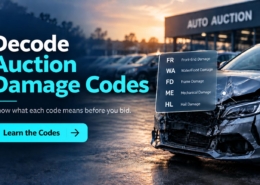 https://auction.ridesafely.com/images/2027/07/auction-damage-codes-banner.jpg
865
1440
RideSafely
/images/2025/01/ridesafely-logo.svg
RideSafely2026-09-15 10:49:542026-09-15 13:09:23How to Decode Auction Damage Codes
https://auction.ridesafely.com/images/2027/07/auction-damage-codes-banner.jpg
865
1440
RideSafely
/images/2025/01/ridesafely-logo.svg
RideSafely2026-09-15 10:49:542026-09-15 13:09:23How to Decode Auction Damage CodesYour RideSafely Questions, Answered
From auction to driveway — we’ve got you covered.
Leave a Reply
Want to join the discussion?Feel free to contribute!