 https://auction.ridesafely.com/images/2027/07/auction-damage-codes-banner.jpg
865
1440
RideSafely
/images/2025/01/ridesafely-logo.svg
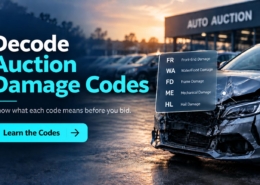
RideSafely2026-09-15 10:49:542026-09-15 13:09:23How to Decode Auction Damage Codes
https://auction.ridesafely.com/images/2027/07/auction-damage-codes-banner.jpg
865
1440
RideSafely
/images/2025/01/ridesafely-logo.svg
RideSafely2026-09-15 10:49:542026-09-15 13:09:23How to Decode Auction Damage CodesMany people think Copart is only for licensed dealers and dismantlers. Maybe you’ve seen a nearly new sedan or a good pickup listed for much less than at a dealership and assumed you couldn’t buy it. In reality, you usually can. Copart sells over four million vehicles each year at more than 250 locations in 11 countries, and a lot of those cars are available to regular buyers without any dealer license.
But buying from Copart isn’t as easy as just showing up with cash like at a used-car lot. Copart has different access levels, and some cars are only for licensed buyers. Some fees can surprise first-time buyers. This guide will walk you through how anyone with a driver’s license and some patience can sign up, bid, win, and take home a salvage car from Copart.
What Copart actually is (and why people think you need a license)
Copart is an online auction site for vehicles, not a car dealership. Insurance companies, banks, rental companies, and fleet owners send Copart their totaled, repossessed, or extra vehicles, and Copart sells them to the highest bidder. Since these cars often went to licensed dealers and body shops in the past, people started to think Copart was closed to the public. That’s no longer true.
A salvage title doesn’t always mean only dealers can buy the car. If an insurance company calls a car a total loss, it gets a salvage title, but you can still buy it with a basic Copart account. Whether you need a license depends on your state’s rules about wholesale and retail sales, not just the car’s condition. That’s what decides which cars you can bid on.
Do you really need a dealer license to buy from Copart?
Sometimes you need a dealer license, but most of the time you don’t. Regular people can buy cars from Copart without a dealer license, but some states do require one for certain vehicles, like salvage or wholesale cars. The rules change depending on your state and the type of title, so what’s possible in Texas might not be allowed where you live.
“No license required” vs. “dealer only” inventory
There are thousands of cars listed as “No License Required,” and if you have a basic account and a deposit, you can bid on these right away. Other cars are marked “Dealer Only” because of state salvage laws, so if you don’t have a license, you won’t be able to bid on them. Copart isn’t making things hard on purpose; they’re just following state laws about who can buy certain salvage cars. You often won’t know which group a car is in until you look at the listing, so it’s smart to filter your search early to avoid disappointment.
How state laws change the rules
Differences between states confuse more new buyers than anything else. Every state has its own rules for buying titled and repairable cars, so check your state’s requirements to see if you’ll need a broker. Some states say any salvage-titled car is a wholesale sale and needs a license. Others only limit certain types, like big trucks or cars with a lot of damage. If you’re buying from another state or aren’t sure where the car is titled, check your state’s DMV website before you get too interested in a listing.
Step 1
Once you understand the license rules, there are two main ways to buy from Copart.
Buying directly as a Basic or Premier member
If you’re interested in cars listed as “No License Required,” you can handle everything yourself. Just sign up on Copart, pay a refundable deposit, and start bidding. This way is easier and costs less in the long run, plus you stay in control of the process. The downside is you can’t bid on cars marked dealer-only, which can be frustrating if you see a great deal there.
Buying through a Copart broker
If you want to buy cars that require a license, you’ll need to use a broker. Brokers are licensed professionals who can bid for you, and in states where a license is required to buy a salvage car, a broker is necessary. Service like RideSafely help people without licenses buy from Copart’s restricted inventory. For example, RideSafely lets you browse, bid on, and win cars while also managing the paperwork, all on one website. RideSafely handles the licensing process, and its experienced team can provide recommendations and support. This guidance is especially helpful for first-time buyers because purchasing a vehicle from an auction requires knowledge and careful decision-making.
Clean Title Theft Recovery
This is the ideal scenario.
If the car is recovered before the insurance company pays out, the original owner may keep it and maintain a clean title, assuming there’s little to no damage.
These are rare at auctions.
Salvage Title Theft Recovery
This is the most common type. Once insurers pay out, many states convert the title to salvage, regardless of condition.
That title affects resale value, financing, and insurance.
Rebuilt Theft Recovery Vehicles
If repairs are completed and the car passes state inspection, it can often be upgraded to rebuilt status.
This usually improves buyer confidence.
But remember: rebuilt doesn’t erase history.
Comparing membership tiers and broker access
| Access type | Typical annual cost | Refundable deposit | Vehicle access |
|---|---|---|---|
| Copart Basic membership | $59 to $99/year | $400 to $600 | No License Required inventory only |
| Copart Premier membership | $249 to $259/year | $400+ | Broader inventory, lower buyer fees, some dealer-only access |
| Registered broker | Varies, some free, some flat fee | Set by broker, often $600 | Full inventory including dealer-only lots |
A Basic membership is $99 per year. Premier membership costs $249 per year and needs a $400 refundable deposit. Premier lets you bid higher and has fewer limits, so most frequent buyers choose it. If you only want to buy one or two cars, Basic is much cheaper. But if you plan to buy several cars, Premier usually saves you money with lower fees per purchase.
Step 2
Signing up is simple and much easier than getting a dealer license. You’ll need to provide ID, like a driver’s license or passport, and proof of address, such as a utility bill or bank statement. You can upload these to Copart’s website or email them. A sales tax license is only needed for business accounts in some states. Once your documents are approved, you’ll get your login details and can start browsing cars almost immediately. This step is usually faster than setting up a new streaming account.
Step 3
This is the point where you can avoid buyer’s remorse, so take your time even if the auction feels rushed.
Reading the Copart condition report and photos
Each listing has a condition report, photos, and often a run-and-drive status. Think of the report as a fact sheet, not a sales pitch. Copart is straightforward about damage, so read carefully, especially the undercarriage photos. Frame damage can turn what looks like a bargain into an expensive problem once a body shop checks it out.
Understanding title types
Not all Copart cars have salvage titles. Some are clean-titled fleet or lease returns. For salvage buyers, it’s important to know the difference: a salvage title means the car hasn’t been repaired or inspected yet, while a rebuilt title means it’s been fixed and passed a state inspection. Rebuilt titles usually make insurance and registration easier. If you buy a car with a salvage title, you’ll need to handle repairs and inspections yourself. Keep this in mind when you bid, since not all salvage listings are the same.
Step 4
Your winning bid is just the starting point. Most cars sell for 20 to 50 percent less than retail, but buyer fees, shipping, and repairs all add up. The final price is always higher than your bid.
Buyer fees, virtual bid fees, and hidden costs
The buyer’s fee is required and goes up with your winning bid. Premier members usually pay a bit less than Basic members. For example, with a Basic membership, buyer fees can add about $643 to a $3,500 bid; an 18 percent increase before you even pay for towing or repairs. Virtual bid fees are usually $99 to $149 per bid, depending on your membership. Storage fees add up fast if you don’t pick up your car quickly. If you pay late, there’s a $50 fee, and if you don’t pay within 8 days, you’ll be charged a relist fee of 10 percent of the sale price or $600, whichever is more. This isn’t the kind of auction where you can bid first and figure out the details later. Plan your budget so your max bid leaves room for all these extra costs.
Step 5
Copart offers two ways to bid: pre-bidding and live bidding. With pre-bidding, you set your maximum offer ahead of time and let the system (called Bid4U) bid for you up to that limit, so you don’t have to watch the auction live. The live virtual auction is a real-time contest where you compete with other buyers in the final moments. Both methods work, but if you tend to get caught up in bidding wars, pre-bidding with a set limit is usually safer.
Step 6
Winning the auction is exciting, but you need to act fast. There’s only a short time before late fees start, and if you wait too long, you could lose the car. Don’t put off payment. If you used a broker, you’ll pay them directly, usually by wire transfer or direct deposit—not at a Copart location. You’ll also need to email your lot number, payment amount, and receipt to confirm. Once your payment is processed and paperwork is done, you’ll get a release authorization so you can pick up your car.
Step 7
Winning the auction is just the beginning.
Arranging transport or towing
You usually can’t pick up the car yourself; only a transport company can do it after your paperwork is cleared. Copart requires you to schedule pickup through their app. Don’t delay—storage fees of about $25 to $50 per day add up quickly, and if the car isn’t picked up within 30 days, it’s considered abandoned. Try to arrange your tow truck or transport before the auction ends. Ignoring logistics can quickly eat up any savings you hoped to get.
Registering a salvage or rebuilt title in your state
Copart doesn’t charge sales tax in most states, but you’ll still owe state sales tax when you register the car. Some states collect tax at the time of sale, so check your state’s DMV rules. Salvage-titled cars usually need a state inspection before they can be reclassified as rebuilt and legally driven, and the inspection process varies a lot. Some states check the VIN and basic safety, while others do a full structural review. Make sure to budget time and money for this step, since waiting months for an inspection can turn a good deal into a hassle.
Common mistakes first-time non-dealer buyers make
The biggest mistake is bidding without adding up all the extra costs like fees, transport, and repairs. Many buyers are shocked when they see the final bill. Another common mistake is skipping the condition report and relying only on photos, which is like buying a house just from the outside. People also forget how quickly storage fees add up, thinking the 30-day window is far away when it’s not. Many first-timers also assume they can bid on any salvage car, only to find out too late that some require a dealer license. Always filter by license requirement before you start searching to avoid disappointment.
Is buying salvage from Copart without a license worth it?
If you’re good with cars, patient with paperwork, and realistic about the total costs, buying a salvage car from Copart without a dealer license can save you real money compared to retail. But it’s not for everyone. If you’re not comfortable reading condition reports or don’t have a transport plan, you could lose your savings to storage fees, unexpected repairs, and title issues. Think of Copart more like a flea market for cars; the deals are there, but only if you know what you’re doing and act quickly.
Conclusion
Buying a salvage car from Copart without a dealer license isn’t the secret shortcut some people claim, and it’s not always easy. You can sign up as an individual, bid on thousands of “No License Required” cars, and pay much less than retail, but you need to be aware of all the fees, deadlines, and title rules. If a car does require a license, using a broker is a real option that saves you from the hassle of becoming a dealer. Read the condition report, plan for fees and transport, and pay attention to deadlines. If you do, Copart can be a smart way to get your next project or daily car for much less than at a dealership.
Frequently Asked Questions
Can I really buy a car from Copart without any license at all?
Yes, for vehicles under the “No License Required” category. You need a standard Basic or Premier membership and a valid ID to register.
What happens if I want a car marked "Dealer Only"?
You’ll need a registered Copart broker, who holds the licensing and bids on your behalf while you make the actual buying decisions.
How much should I budget above the winning bid?
Plan for buyer fees, a virtual bid fee, possible storage costs, and transport. Depending on the vehicle’s price, that can add anywhere from a few hundred dollars to over a thousand.
Do I need a dealer license to register the car afterward?
No, but you’ll need to complete your state’s salvage or rebuilt title inspection before the vehicle can be legally registered and driven.
Is Premier membership worth the extra cost over Basic?
If you plan to buy more than a couple of vehicles a year, yes. The lower buyer fees typically cover the membership difference within a few purchases.
What People Are Saying

You might also like
https://auction.ridesafely.com/images/2027/07/auction-damage-codes-banner.jpg
865
1440
RideSafely
/images/2025/01/ridesafely-logo.svg
RideSafely2026-09-15 10:49:542026-09-15 13:09:23How to Decode Auction Damage Codes https://auction.ridesafely.com/images/2026/09/popular-salvage-vehicles-by-category-banner.jpg
972
1619
RideSafely
/images/2025/01/ridesafely-logo.svg
RideSafely2026-09-08 11:58:462026-09-08 13:12:02The Most Popular Salvage Vehicles by Category
https://auction.ridesafely.com/images/2026/09/popular-salvage-vehicles-by-category-banner.jpg
972
1619
RideSafely
/images/2025/01/ridesafely-logo.svg
RideSafely2026-09-08 11:58:462026-09-08 13:12:02The Most Popular Salvage Vehicles by Category https://auction.ridesafely.com/images/2026/09/front-end-damage-cars-at-auction-worth-buying.jpg
865
1440
RideSafely
/images/2025/01/ridesafely-logo.svg
RideSafely2026-09-01 12:39:592026-09-01 13:10:42Front-End Damage Cars at Auction: Worth Buying?
https://auction.ridesafely.com/images/2026/09/front-end-damage-cars-at-auction-worth-buying.jpg
865
1440
RideSafely
/images/2025/01/ridesafely-logo.svg
RideSafely2026-09-01 12:39:592026-09-01 13:10:42Front-End Damage Cars at Auction: Worth Buying? https://auction.ridesafely.com/images/2026/08/rear-end-damage-cars-banner.jpg
865
1440
RideSafely
/images/2025/01/ridesafely-logo.svg
RideSafely2026-08-25 11:10:002026-08-25 13:29:41Rear-End Damage Cars: Easier to Repair Than You Think?
https://auction.ridesafely.com/images/2026/08/rear-end-damage-cars-banner.jpg
865
1440
RideSafely
/images/2025/01/ridesafely-logo.svg
RideSafely2026-08-25 11:10:002026-08-25 13:29:41Rear-End Damage Cars: Easier to Repair Than You Think? https://auction.ridesafely.com/images/2026/08/best-us-car-auctions-overseas-buyers-banner.jpg
865
1440
RideSafely
/images/2025/01/ridesafely-logo.svg
RideSafely2026-08-18 12:42:212026-08-18 13:53:28Best U.S. Car Auctions for Overseas Buyers
https://auction.ridesafely.com/images/2026/08/best-us-car-auctions-overseas-buyers-banner.jpg
865
1440
RideSafely
/images/2025/01/ridesafely-logo.svg
RideSafely2026-08-18 12:42:212026-08-18 13:53:28Best U.S. Car Auctions for Overseas BuyersYour RideSafely Questions, Answered
From auction to driveway — we’ve got you covered.
Leave a Reply
Want to join the discussion?Feel free to contribute!