 https://auction.ridesafely.com/images/2027/07/auction-damage-codes-banner.jpg
865
1440
RideSafely
/images/2025/01/ridesafely-logo.svg
RideSafely2026-09-15 10:49:542026-09-15 13:09:23How to Decode Auction Damage Codes
https://auction.ridesafely.com/images/2027/07/auction-damage-codes-banner.jpg
865
1440
RideSafely
/images/2025/01/ridesafely-logo.svg
RideSafely2026-09-15 10:49:542026-09-15 13:09:23How to Decode Auction Damage CodesCar auctions have become a significant part of the automotive market, offering buyers an alternative vehicle purchase option. From online bidding wars to high-stakes live auctions, the allure of potentially snagging a great deal is undeniable. However, car auctions have their fair share of advantages and pitfalls, like any marketplace. In this detailed guide, we dissect the pros and cons of car auctions to help you decide if this is the right purchasing pathway for you.

Understanding Car Auctions: A Gateway to Diverse Inventory
Extensive Variety and Unique Finds
Car auctions are renowned for their extensive inventory, presenting a wide array of vehicles ranging from everyday sedans and SUVs to rare and vintage cars. This diversity allows buyers to explore a broad spectrum of options, often at prices lower than traditional dealership offerings.
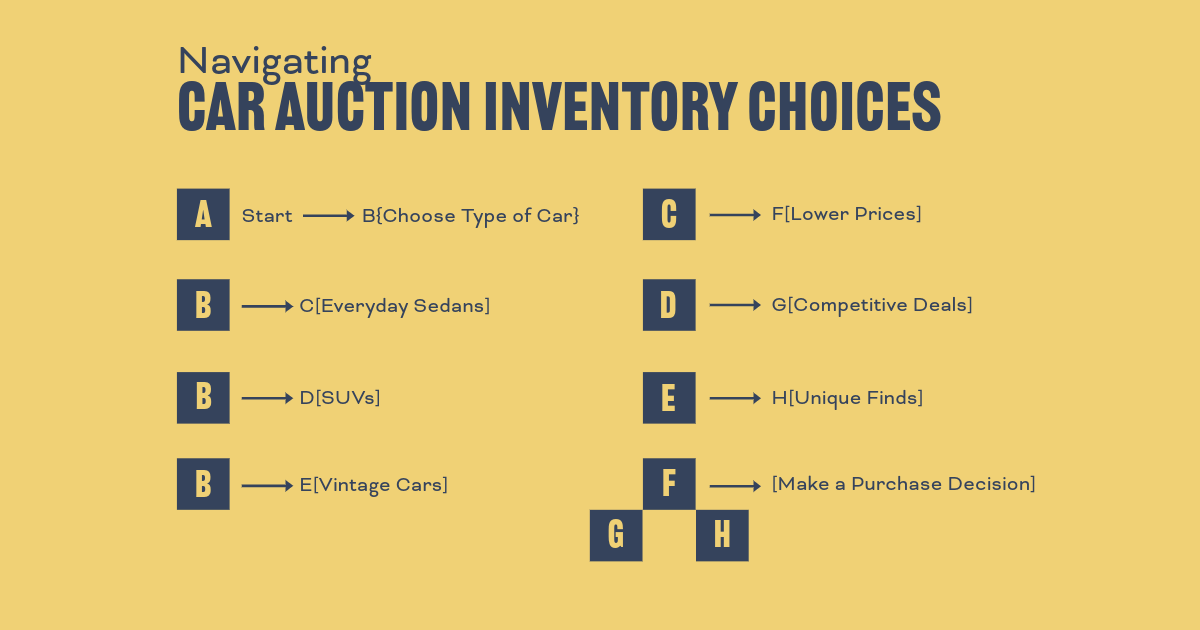
To further enhance your understanding of achieving the most advantageous purchases at car auctions, consider reading our detailed guide on How to Secure the Best Deals on Auction Cars.
Speed of Purchase
Car auctions are ideal for those looking to acquire a vehicle without the prolonged process typical of dealership negotiations. Auctions often conclude purchases within a day, providing a swift path to ownership.
Evaluating Financial Implications
Potential for Lower Costs
One of the most compelling reasons to consider car auctions is the potential for cost savings. Vehicles can often be purchased below market value, making this a potentially lucrative option for both personal buyers and resellers.
Consideration of Additional Costs
However, it’s crucial to consider the ancillary costs associated with auction purchases such as buyer’s fees, transportation fees, and potential repairs. These expenses can add up, sometimes mitigating the initial savings. After successfully purchasing a car at an auction, the next step is getting it to your location. For insights into safe and efficient vehicle transportation, check out our Auto Auctions: Guide to Transporting Your Vehicle.
Risk Factors in Car Auctions
Uncertainty of Vehicle Condition
Purchasing a car at an auction often means buying it “as-is.” The limited ability to thoroughly inspect the vehicles beforehand can pose significant risks, as latent defects or hidden damages may surface after the purchase.
No Test Drive Opportunity
When participating in a car auction, you typically won’t have the opportunity to test drive the vehicle or evaluate its performance. While the car’s condition report offers detailed information and you are generally allowed to inspect the vehicle, being unable to take it for a test drive is a notable disadvantage.
Competitive Bidding
While the prospect of a good deal exists, the competitive nature of auctions can lead to overbidding. Emotional bidding can drive the price beyond the vehicle’s value, resulting in an unfavorable deal.
For those looking to refine their bidding strategies, our Car Auctions: Essential Bidding Guide & Tips 2025 offers a future-forward look at effective techniques to excel in auction environments.
Strategic Bidding: Enhancing Your Auction Experience
Research and Preparation
To mitigate risks and enhance the likelihood of a successful purchase, potential buyers should conduct thorough research. Understanding the vehicle’s market value, history, and any potential issues can empower buyers to bid wisely.
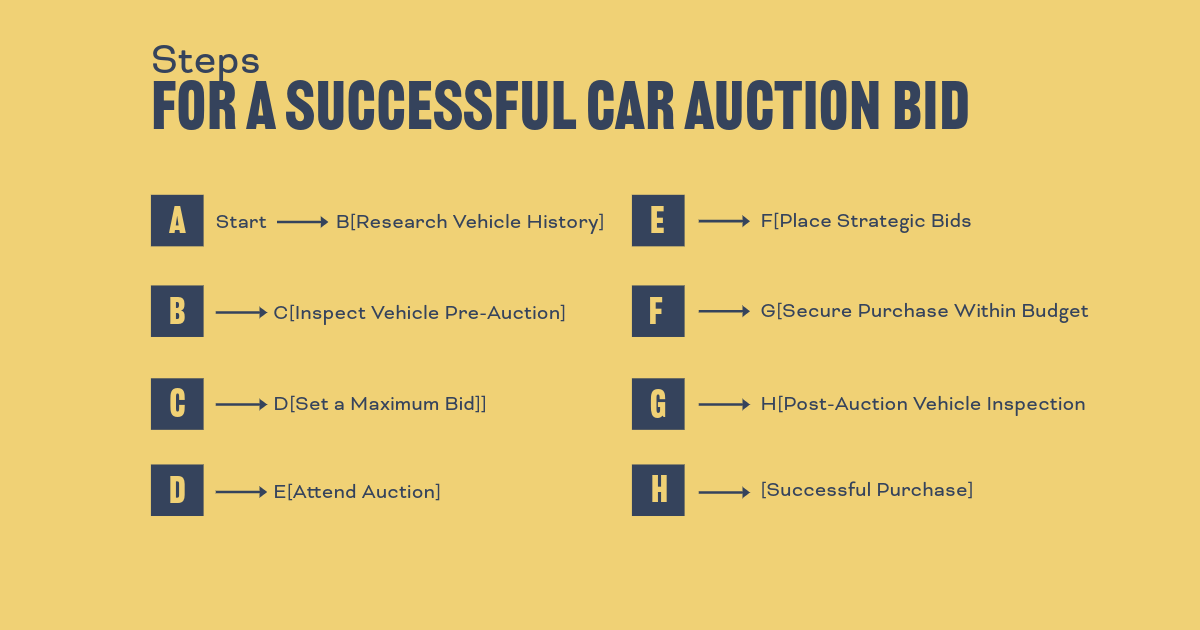
If you’re new to auctions and unsure about the prerequisites, learn how to participate without traditional requirements by visiting our article Buy Cars at Auctions Without a Bid Card or Dealer License.
Professional Advice
Seeking advice from automotive experts or experienced auction goers can provide invaluable insights, helping you navigate the complexities of auction buying. Additionally, visit RideSafely’s Help Center to access over 500 searchable articles covering common FAQs and support questions about car auction bidding and buying processes from users like you.
Conclusion: Weighing the Worth of Car Auctions
Car auctions present a unique opportunity to purchase vehicles at reduced costs. However, the advantages must be weighed against the risks of uncertain vehicle conditions and the dynamics of auction bidding. Buyers can enhance their chances of securing a worthwhile deal by approaching car auctions with thorough preparation and strategic bidding.
In summary, while car auctions offer exciting prospects and considerable diversity, they require careful consideration and strategic planning to truly benefit from what they have to offer. By understanding the full scope of what’s involved, you can make an informed decision on whether or not this purchasing method aligns with your needs.
Essential FAQs: Navigating the Pros and Cons of Car Auctions
What are the main benefits of buying a car at an auction?
The main benefits include access to a wide variety of vehicles, potential for lower purchase prices compared to retail, and the speed of transactions which can see buyers acquiring a vehicle much faster than through traditional car buying processes.
What are the risks of buying a car at an auction?
The primary risks include the uncertainty of vehicle conditions since cars are often sold “as-is,” limited opportunities for thorough inspections prior to purchase, and the potential for competitive bidding that can drive prices higher than expected.
How can I prepare for a car auction?
Preparation should involve researching the types of vehicles available, understanding market values, and if possible, inspecting the vehicles on the auction list before bidding. Setting a firm budget and sticking to it during the auction is also crucial.
Can I get financing for a vehicle purchased at an auction?
While some auctions might offer financing options, it is less common than at dealerships. Buyers should ideally arrange their financing in advance with their bank or a third-party lender.
Are there any additional costs when buying a car at an auction?
Yes, buyers should be aware of buyer’s fees, registration fees, any applicable taxes, and transportation costs if the vehicle cannot be driven off the auction site immediately after purchase.
How does competitive bidding affect the final purchase price?
Competitive bidding can sometimes lead to emotional bidding, where buyers may end up paying more than the market value of the vehicle due to the heat of the auction environment. It’s important to have a maximum bid in mind and to stick to it to avoid overpaying.
Is it possible to return a car bought at an auction?
Typically, cars bought at auctions cannot be returned. Once the hammer falls, the buyer is usually obligated to complete the purchase, underscoring the importance of thorough preparation and research.
What People Are Saying

You might also like
https://auction.ridesafely.com/images/2027/07/auction-damage-codes-banner.jpg
865
1440
RideSafely
/images/2025/01/ridesafely-logo.svg
RideSafely2026-09-15 10:49:542026-09-15 13:09:23How to Decode Auction Damage Codes https://auction.ridesafely.com/images/2026/09/popular-salvage-vehicles-by-category-banner.jpg
972
1619
RideSafely
/images/2025/01/ridesafely-logo.svg
RideSafely2026-09-08 11:58:462026-09-08 13:12:02The Most Popular Salvage Vehicles by Category
https://auction.ridesafely.com/images/2026/09/popular-salvage-vehicles-by-category-banner.jpg
972
1619
RideSafely
/images/2025/01/ridesafely-logo.svg
RideSafely2026-09-08 11:58:462026-09-08 13:12:02The Most Popular Salvage Vehicles by Category https://auction.ridesafely.com/images/2026/09/front-end-damage-cars-at-auction-worth-buying.jpg
865
1440
RideSafely
/images/2025/01/ridesafely-logo.svg
RideSafely2026-09-01 12:39:592026-09-01 13:10:42Front-End Damage Cars at Auction: Worth Buying?
https://auction.ridesafely.com/images/2026/09/front-end-damage-cars-at-auction-worth-buying.jpg
865
1440
RideSafely
/images/2025/01/ridesafely-logo.svg
RideSafely2026-09-01 12:39:592026-09-01 13:10:42Front-End Damage Cars at Auction: Worth Buying? https://auction.ridesafely.com/images/2026/08/rear-end-damage-cars-banner.jpg
865
1440
RideSafely
/images/2025/01/ridesafely-logo.svg
RideSafely2026-08-25 11:10:002026-08-25 13:29:41Rear-End Damage Cars: Easier to Repair Than You Think?
https://auction.ridesafely.com/images/2026/08/rear-end-damage-cars-banner.jpg
865
1440
RideSafely
/images/2025/01/ridesafely-logo.svg
RideSafely2026-08-25 11:10:002026-08-25 13:29:41Rear-End Damage Cars: Easier to Repair Than You Think? https://auction.ridesafely.com/images/2026/08/best-us-car-auctions-overseas-buyers-banner.jpg
865
1440
RideSafely
/images/2025/01/ridesafely-logo.svg
RideSafely2026-08-18 12:42:212026-08-18 13:53:28Best U.S. Car Auctions for Overseas Buyers
https://auction.ridesafely.com/images/2026/08/best-us-car-auctions-overseas-buyers-banner.jpg
865
1440
RideSafely
/images/2025/01/ridesafely-logo.svg
RideSafely2026-08-18 12:42:212026-08-18 13:53:28Best U.S. Car Auctions for Overseas Buyers
Leave a Reply
Want to join the discussion?Feel free to contribute!