 https://auction.ridesafely.com/images/2026/09/popular-salvage-vehicles-by-category-banner.jpg
972
1619
RideSafely
/images/2025/01/ridesafely-logo.svg
RideSafely2026-09-08 11:58:462026-09-08 13:12:02The Most Popular Salvage Vehicles by Category
https://auction.ridesafely.com/images/2026/09/popular-salvage-vehicles-by-category-banner.jpg
972
1619
RideSafely
/images/2025/01/ridesafely-logo.svg
RideSafely2026-09-08 11:58:462026-09-08 13:12:02The Most Popular Salvage Vehicles by CategoryUnderstanding Hail Damage in Auction Vehicles
What Causes Hail Damage
Hailstorms are one of nature’s most unpredictable and destructive forces when it comes to vehicles. Unlike accidents that typically affect specific parts of a car, hail can strike from multiple angles, leaving dozens or even hundreds of small dents across the surface. These ice pellets vary in size, sometimes as small as peas and other times as large as golf balls, creating varying levels of impact depending on the storm’s speed, density, and duration. When vehicles are exposed to such conditions without shelter, the result is often widespread cosmetic damage rather than mechanical failure.
What makes hail damage particularly interesting for buyers is its unpredictable impact. A car may look heavily dented on the hood and roof but remain perfectly intact mechanically. This creates a unique opportunity in the automotive market, where appearance takes the hit while performance remains untouched. Insurance companies often classify these vehicles as total losses due to repair costs exceeding a certain percentage of the car’s value, even when the engine, transmission, and safety systems are completely unaffected.
Types of Hail Damage on Vehicles
Hail damage can present itself in several forms, and understanding these differences is critical when evaluating auction listings. The most common type is cosmetic denting, in which the exterior panels, such as the hood, roof, and trunk, exhibit visible dimples. These dents may look alarming at first glance, but they rarely impact drivability or structural integrity. Another type involves paint damage, where hailstones chip or crack the paint, potentially exposing the metal underneath to corrosion over time.
In more severe cases, hail can crack windshields, damage side mirrors, or even affect sunroofs. While these issues may require replacement, they are still relatively straightforward fixes compared to engine or frame damage. This is why many seasoned auction buyers actively seek out hail-damaged vehicles—they know that most of the damage is superficial and repairable at a fraction of the vehicle’s original value.
Why Hail-Damaged Cars Are Sold at Auctions
Insurance Write-Offs Explained
Insurance companies operate on strict financial thresholds when deciding whether to repair or write off a vehicle. If the cost of repairs approaches or exceeds a certain percentage of the car’s market value, the insurer may declare it a total loss. With hail damage, this threshold is often reached quickly because repairing multiple dents across an entire vehicle can be labor-intensive and expensive, especially if traditional bodywork is required.
However, this creates a paradox. A car labeled a “total loss” due to hail damage might still be in excellent mechanical condition. Insurance companies then send these vehicles to auctions to recover a portion of their payout. For buyers, this means access to high-quality vehicles at significantly reduced prices, often with only cosmetic flaws that do not affect performance.
Supply Chain of Auction Vehicles
The journey of a hail-damaged car typically begins with an insurance claim and ends on an auction platform. Once the vehicle is deemed a loss, it is transferred to a salvage yard or auction facility where it is listed for sale. These auctions can be accessed through platforms that allow public participation, opening the door for everyday buyers to compete with dealers.
What’s important to understand is that the auction ecosystem thrives on volume and speed. Vehicles are listed, bid on, and sold quickly, often without the emotional pricing seen in traditional dealerships. This environment creates opportunities for buyers who are prepared, informed, and strategic in their approach.
The Real Value Behind Hail Damage Cars
Cosmetic vs Structural Damage
One of the biggest misconceptions about hail-damaged vehicles is that they are somehow unsafe or unreliable. In reality, most hail damage is purely cosmetic. The dents may affect the car’s appearance, but they rarely compromise its structural integrity or safety systems. Modern vehicles are designed to withstand significant external forces, and hail typically does not reach the levels required to damage critical components such as the frame or engine.
This distinction is crucial because it highlights the disconnect between perceived value and actual functionality. A car with minor dents might sell for thousands less than its undamaged counterpart, even though it performs identically on the road. For savvy buyers, this represents a rare opportunity to acquire a vehicle based on performance rather than aesthetics.
Depreciation vs True Worth
Depreciation plays a major role in the pricing of hail-damaged cars. The moment a vehicle is labeled as salvage or damaged, its market value drops significantly, sometimes by 30% to 50%. However, this depreciation is often disproportionate to the damage’s actual impact.
From a practical standpoint, the “true worth” of a vehicle lies in its ability to provide reliable transportation. If a hail-damaged car meets this criterion, then its reduced price becomes a strategic advantage rather than a drawback. Buyers who prioritize function over form can unlock exceptional value by focusing on these overlooked opportunities.
Key Advantages of Buying Hail-Damaged Cars
Lower Purchase Prices
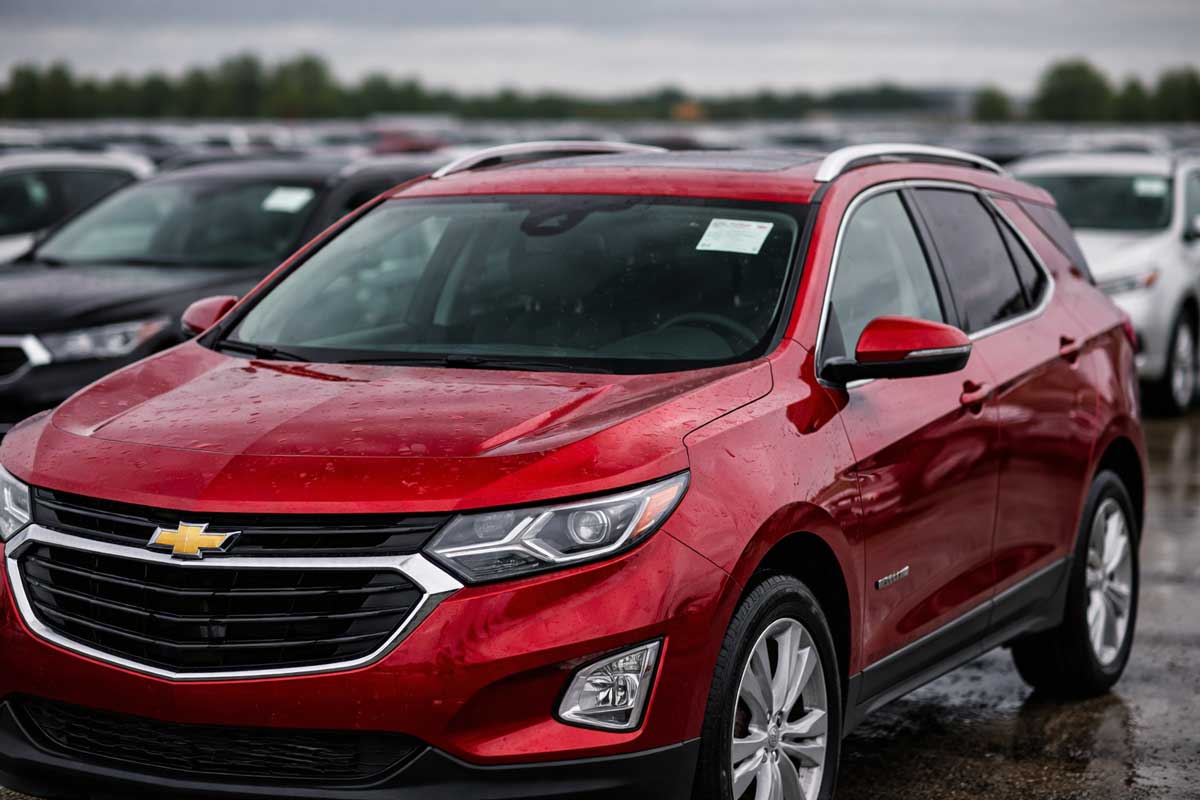
The most obvious benefit of buying hail-damaged vehicles at auction is the price. These cars are often sold at a fraction of their original value, making them accessible to a wider range of buyers. This affordability can be particularly appealing for first-time buyers, budget-conscious individuals, or those looking for a secondary vehicle.
Minimal Mechanical Risk
Unlike collision-damaged vehicles, hail-damaged cars typically do not suffer from mechanical issues. This reduces the purchase risk and allows buyers to focus primarily on cosmetic considerations. In many cases, the vehicle can be driven immediately without any repairs, making it a practical choice for those who need reliable transportation without the premium price tag.
Risks You Should Consider Before Bidding
Hidden Damage Factors
While hail damage is usually cosmetic, it’s important to remain cautious. Cracked windshields, damaged sensors, or compromised seals can lead to additional repair costs if not identified early. Buyers should carefully review auction reports and inspect available images to ensure they fully understand the extent of the damage.
Resale Challenges
Reselling a hail-damaged vehicle can be more difficult due to its history. Buyers may be hesitant to purchase a car with visible damage, even if it performs perfectly. This means that the initial savings should be weighed against potential resale limitations, especially for those who plan to upgrade in the near future.
How Online Car Auctions Work
Pre-Bid vs Live Bidding
Online car auctions typically offer two types of bidding: pre-bid and live bidding. Pre-bidding allows buyers to set their maximum price before the auction begins, while live bidding takes place in real time. Understanding these mechanisms is essential for developing a winning strategy and avoiding overpaying.
Fees and Costs Breakdown
In addition to the winning bid, buyers should account for auction fees, transportation costs, and potential repairs. These additional expenses can affect the overall purchase price, so it’s important to calculate the total cost before placing a bid.
How to Inspect Hail-Damaged Vehicles
Reading Auction Reports
Auction reports provide valuable insights into a vehicle’s condition, including damage descriptions, title status, and historical data. Buyers should pay close attention to these details to make informed decisions.
Evaluating Photos and Videos
High-quality images and videos can reveal the extent of hail damage and help buyers assess whether the vehicle meets their expectations. Look for consistent lighting and multiple angles to get a clear understanding of the condition.
Best Vehicles to Buy with Hail Damage
SUVs and Trucks
SUVs and trucks are often ideal candidates for hail-damage purchases because their larger surfaces make dents more noticeable but do not affect performance. These vehicles are also valued for their utility, making cosmetic imperfections less of a concern.
Luxury Vehicles
Luxury cars with hail damage can offer exceptional value, as their depreciation is often more significant. Buyers can enjoy premium features and performance at a reduced cost, making these vehicles an attractive option for those seeking affordability without compromise.
Repair vs Drive-As-Is Strategy
Paintless Dent Repair (PDR)
Paintless dent repair is a cost-effective method for removing hail dents without affecting the original paint. This technique can restore the vehicle’s appearance while maintaining its value.
Cost-Benefit Analysis
Deciding whether to repair or drive a hail-damaged car as-is depends on individual priorities. Some buyers prefer to invest in repairs to improve aesthetics, while others are content with the savings and choose to leave the dents untouched.
Bidding Strategies for Maximum Savings
Setting a Budget
Establishing a clear budget is essential for successful bidding. This includes not only the purchase price but also additional costs such as fees and repairs.
Timing Your Bids
Strategic timing can significantly affect auction outcomes. Waiting until the final moments to place a bid can help avoid driving up the price prematurely.
Conclusion
Hail-damaged cars at auction represent one of the most underrated opportunities in the automotive market. They challenge the traditional notion that a vehicle’s value is tied to its appearance, allowing buyers to prioritize performance, reliability, and affordability. By understanding the nature of hail damage, navigating the auction process effectively, and making informed decisions, buyers can unlock exceptional deals that would otherwise go unnoticed.
Frequently Asked Questions
Are hail-damaged cars safe to drive?
Yes, most hail damage is cosmetic and does not affect the vehicle’s safety or performance.
Can hail dents be fully repaired?
Yes, techniques like paintless dent repair can remove most dents without repainting.
Do hail-damaged cars have salvage titles?
Many do, especially if the repair cost exceeds the insurance threshold.
Is it worth buying a hail-damaged luxury car?
Absolutely, as they often offer significant savings while retaining premium features.
How much can I save on a hail-damaged car?
Savings can range from 30% to 50% compared to similar undamaged vehicles.
What People Are Saying

You might also like
https://auction.ridesafely.com/images/2026/09/popular-salvage-vehicles-by-category-banner.jpg
972
1619
RideSafely
/images/2025/01/ridesafely-logo.svg
RideSafely2026-09-08 11:58:462026-09-08 13:12:02The Most Popular Salvage Vehicles by Category https://auction.ridesafely.com/images/2026/09/front-end-damage-cars-at-auction-worth-buying.jpg
865
1440
RideSafely
/images/2025/01/ridesafely-logo.svg
RideSafely2026-09-01 12:39:592026-09-01 13:10:42Front-End Damage Cars at Auction: Worth Buying?
https://auction.ridesafely.com/images/2026/09/front-end-damage-cars-at-auction-worth-buying.jpg
865
1440
RideSafely
/images/2025/01/ridesafely-logo.svg
RideSafely2026-09-01 12:39:592026-09-01 13:10:42Front-End Damage Cars at Auction: Worth Buying? https://auction.ridesafely.com/images/2026/08/rear-end-damage-cars-banner.jpg
865
1440
RideSafely
/images/2025/01/ridesafely-logo.svg
RideSafely2026-08-25 11:10:002026-08-25 13:29:41Rear-End Damage Cars: Easier to Repair Than You Think?
https://auction.ridesafely.com/images/2026/08/rear-end-damage-cars-banner.jpg
865
1440
RideSafely
/images/2025/01/ridesafely-logo.svg
RideSafely2026-08-25 11:10:002026-08-25 13:29:41Rear-End Damage Cars: Easier to Repair Than You Think? https://auction.ridesafely.com/images/2026/08/best-us-car-auctions-overseas-buyers-banner.jpg
865
1440
RideSafely
/images/2025/01/ridesafely-logo.svg
RideSafely2026-08-18 12:42:212026-08-18 13:53:28Best U.S. Car Auctions for Overseas Buyers
https://auction.ridesafely.com/images/2026/08/best-us-car-auctions-overseas-buyers-banner.jpg
865
1440
RideSafely
/images/2025/01/ridesafely-logo.svg
RideSafely2026-08-18 12:42:212026-08-18 13:53:28Best U.S. Car Auctions for Overseas Buyers https://auction.ridesafely.com/images/2026/08/car-brands-hold-value-auction-banner.jpg
865
1440
RideSafely
/images/2025/01/ridesafely-logo.svg
RideSafely2026-08-11 13:12:512026-08-11 13:44:30Auction Price Trends: Which Car Brands Hold Value Best?
https://auction.ridesafely.com/images/2026/08/car-brands-hold-value-auction-banner.jpg
865
1440
RideSafely
/images/2025/01/ridesafely-logo.svg
RideSafely2026-08-11 13:12:512026-08-11 13:44:30Auction Price Trends: Which Car Brands Hold Value Best?Your RideSafely Questions, Answered
From auction to driveway — we’ve got you covered.
Leave a Reply
Want to join the discussion?Feel free to contribute!