 https://auction.ridesafely.com/images/2026/10/dealer-only-car-auction-explained-banner.jpg
865
1440
RideSafely
/images/2025/01/ridesafely-logo.svg
RideSafely2026-10-13 13:22:432026-10-13 13:31:05What Does “Dealer Only” Mean at a Car Auction?
https://auction.ridesafely.com/images/2026/10/dealer-only-car-auction-explained-banner.jpg
865
1440
RideSafely
/images/2025/01/ridesafely-logo.svg
RideSafely2026-10-13 13:22:432026-10-13 13:31:05What Does “Dealer Only” Mean at a Car Auction?Turning damaged or used motorcycles into profit is no longer reserved for professional garages. With the growing demand for affordable parts and the increasing accessibility of online marketplaces, parting out bikes has become a profitable side gig that anyone with patience, organization, and a strategic approach can pursue.
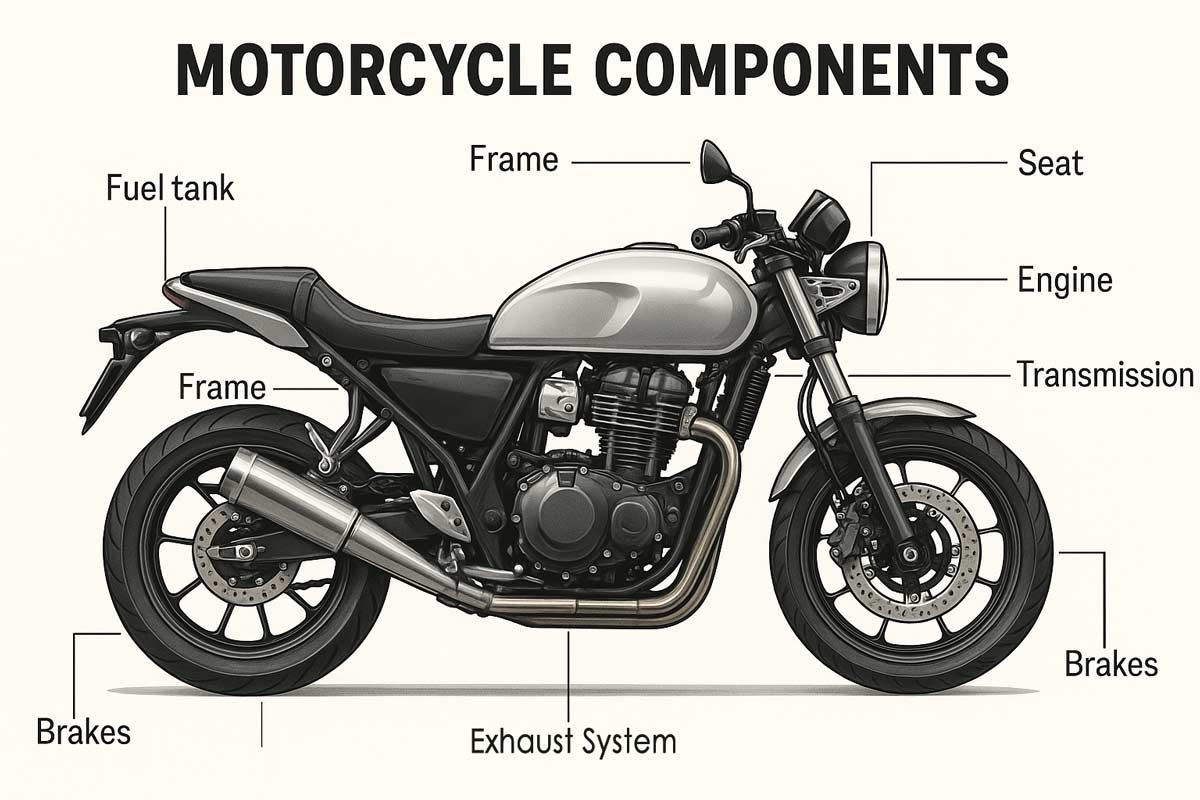
Why Parting Out Motorcycles Works
Selling a whole motorcycle—especially if it’s damaged or has a salvage title—often brings a lower return compared to selling its components individually. Buyers constantly search for affordable, genuine parts, and motorcycles provide a wide variety of pieces that retain substantial value long after the bike itself is no longer roadworthy.
Key benefits include:
- Higher Profit Margins: Engines, frames, wheels, and electronics often sell for more individually than the bike would as a unit.
- Steady Demand: Motorcycle parts are consistently in demand by repair shops, DIY mechanics, and enthusiasts.
- Low Entry Costs: Salvage auctions and online listings enable the inexpensive acquisition of motorcycles for dismantling.
- Scalability: You can start small with one bike and grow into a repeatable business model.
Finding the Right Motorcycles to Part Out
Success starts with sourcing the right bikes. Not every motorcycle is worth dismantling, so research is essential.
Where to Source
- Online Auctions: Platforms like RideSafely, Copart, and IAAI list salvage and damaged motorcycles on a daily basis. You can also explore the diverse range of vehicles available at RideSafely to compare motorcycles with other profitable options.
- Classifieds & Marketplaces: Craigslist, Facebook Marketplace, and eBay often feature budget-friendly options.
- Local Dealerships & Repair Shops: Many shops welcome buyers interested in acquiring unwanted bikes.
If you’re new to this, you can still buy motorcycles at auctions without a bid card or dealer license, making it simple for individuals to get started without barriers.
Factors to Consider
- Make & Model Popularity: Well-known brands like Honda, Yamaha, Suzuki, Harley-Davidson, and Kawasaki have higher part demand.
- Damage Location: A motorcycle with cosmetic or frame damage may still have a pristine engine, electronics, or wheels.
- Part Compatibility: Bikes with interchangeable components across multiple years/models maximize resale opportunities.
The Most Profitable Motorcycle Parts to Sell
Some parts sell faster and at higher margins than others. Here’s a breakdown of high-value motorcycle components:
- Engine & Transmission: Even with higher mileage, these are often the most lucrative.
- Fuel Tanks & Fairings: Popular among riders seeking cosmetic upgrades.
- Wheels, Tires, and Rims: Consistently in demand for replacements and custom builds.
- Electronics: ECUs, speedometers, ignition systems, and wiring harnesses are costly new, making used versions attractive.
- Exhaust Systems: Aftermarket and OEM exhausts sell quickly.
- Seats & Handlebars: Easy-to-ship items that appeal to both budget and style-conscious riders.
- Suspension & Brakes: Shocks, forks, calipers, and rotors are always in need of replacement.
Just as with motorcycles, many valuable parts can be salvaged from a totaled car, proving that dismantling vehicles is often more profitable than reselling them whole.
Setting Up for a Profitable Part-Out Operation
Organization and process matter as much as finding the right bike.
Tools & Workspace
- Basic Tools: Socket sets, wrenches, lifts, and power tools.
- Storage: Shelving units, bins, and proper labeling for easy inventory management.
- Safety Gear: Gloves, eye protection, and ventilation for fluids and exhaust parts.
Documentation
- Record the VIN, mileage, and condition of each part before dismantling.
- Photograph every component to build trust with buyers online.
Selling Platforms
- eBay Motors: Excellent reach for niche motorcycle parts.
- Facebook Marketplace: Local buyers avoid shipping costs.
- Specialized Forums & Groups: Brand-specific communities are highly targeted.
- Online Auctions: RideSafely and similar platforms can help reach bulk buyers.
Pricing and Shipping Motorcycle Parts
Setting the right price ensures steady sales while maintaining healthy profit margins.
- Research Market Prices: Use eBay “Sold Listings” as a benchmark.
- Factor in Shipping: Motorcycle parts vary in size, from lightweight switches to bulky frames. Adjust pricing accordingly.
- Offer Bundles: Pair smaller items (like levers and mirrors) to increase order value.
Before making any large auction purchase, it’s helpful to read online car auctions: know before you bid to avoid common mistakes.
Legal and Environmental Considerations
Selling parts isn’t just about profit—it comes with responsibility.
- Title Handling: Ensure compliance when acquiring salvage or parts-only bikes.
- Hazardous Materials: Properly dispose of fluids, batteries, and tires in accordance with local laws.
- Taxes & Business Setup: Track expenses and income to remain compliant with tax regulations.
When evaluating a bike, knowing how to interpret damage codes in auto auctions ensures you’re not caught off guard by hidden issues.
Motorcycle Parting Business Workflow
| Step | Process | Details |
|---|---|---|
| 1 | Acquire Motorcycle | Source bikes from auctions, dealerships, or private sellers. |
| 2 | Assess Condition & Value | Evaluate parts, damage, and resale potential before dismantling. |
| 3 | Dismantle & Photograph Parts | Carefully remove components and take clear, detailed photos. |
| 4 | Label & Store Inventory | Organize parts with tags, bins, and shelves for easy tracking. |
| 5 | List Parts Online | Create detailed listings on eBay, RideSafely, or marketplaces. |
| 6 | Sell & Ship Parts | Handle customer sales, pack parts securely, and manage shipping. |
| 7 | Reinvest Profits in Next Bike | Use earnings to acquire more motorcycles and grow your business. |
Final Thoughts
Parting out motorcycles provides a reliable way to convert damaged or unwanted bikes into a consistent income. By sourcing wisely, dismantling with care, and selling strategically, we can transform what seems like scrap into a profitable side gig—or even a full-time business.
Frequently Asked Questions
Is parting out motorcycles really profitable?
Yes. Selling a motorcycle as a whole often brings less money than selling its components separately. High-demand parts, such as engines, wheels, electronics, and exhaust systems, typically generate strong profit margins.
Do I need a dealer license to buy salvage motorcycles?
No. Many online auction platforms, including RideSafely, allow individuals to register for free and bid on salvage motorcycles without requiring a dealer license.
What are the most valuable motorcycle parts to sell?
Engines, transmissions, wheels, electronics, fuel tanks, and exhaust systems usually hold the most resale value. Smaller parts, such as mirrors, handlebars, and seats, also sell consistently.
Where can I buy motorcycles to part out?
You can source motorcycles from salvage auctions, local dealerships, repair shops, and marketplaces such as Facebook and eBay. Salvage auction platforms often provide the widest selection.
How do I ship large motorcycle parts?
Smaller parts can be shipped via standard carriers, while larger items, such as engines and frames, may require freight shipping. Always factor shipping costs into your pricing strategy.
Are there legal or environmental rules I should follow?
Yes. Fluids, batteries, and tires must be disposed of responsibly. It’s also essential to comply with local laws regarding salvage titles, part sales, and business taxes.
What People Are Saying

You might also like
https://auction.ridesafely.com/images/2026/10/dealer-only-car-auction-explained-banner.jpg
865
1440
RideSafely
/images/2025/01/ridesafely-logo.svg
RideSafely2026-10-13 13:22:432026-10-13 13:31:05What Does “Dealer Only” Mean at a Car Auction? https://auction.ridesafely.com/images/2026/10/actual-vs-not-actual-mileage-banner.jpg
865
1440
RideSafely
/images/2025/01/ridesafely-logo.svg
RideSafely2026-10-06 14:31:302026-10-13 13:22:41Actual Mileage vs Not Actual Mileage at Car Auctions
https://auction.ridesafely.com/images/2026/10/actual-vs-not-actual-mileage-banner.jpg
865
1440
RideSafely
/images/2025/01/ridesafely-logo.svg
RideSafely2026-10-06 14:31:302026-10-13 13:22:41Actual Mileage vs Not Actual Mileage at Car Auctions https://auction.ridesafely.com/images/2026/09/auction-car-with-no-keys-buyer-guide-banner.jpg
865
1440
RideSafely
/images/2025/01/ridesafely-logo.svg
RideSafely2026-09-29 12:05:282026-10-06 13:50:49Auction Cars With No Keys What to Know Before You Bid
https://auction.ridesafely.com/images/2026/09/auction-car-with-no-keys-buyer-guide-banner.jpg
865
1440
RideSafely
/images/2025/01/ridesafely-logo.svg
RideSafely2026-09-29 12:05:282026-10-06 13:50:49Auction Cars With No Keys What to Know Before You Bid https://auction.ridesafely.com/images/2026/09/parts-only-salvage-auction-guide-banner.jpg
865
1440
RideSafely
/images/2025/01/ridesafely-logo.svg
RideSafely2026-09-22 12:45:062026-09-22 13:35:34What Does Parts Only Mean at a Salvage Auction?
https://auction.ridesafely.com/images/2026/09/parts-only-salvage-auction-guide-banner.jpg
865
1440
RideSafely
/images/2025/01/ridesafely-logo.svg
RideSafely2026-09-22 12:45:062026-09-22 13:35:34What Does Parts Only Mean at a Salvage Auction?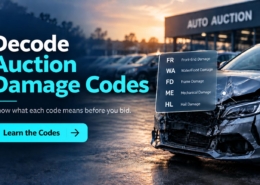 https://auction.ridesafely.com/images/2027/07/auction-damage-codes-banner.jpg
865
1440
RideSafely
/images/2025/01/ridesafely-logo.svg
RideSafely2026-09-15 10:49:542026-09-15 13:09:23How to Decode Auction Damage Codes
https://auction.ridesafely.com/images/2027/07/auction-damage-codes-banner.jpg
865
1440
RideSafely
/images/2025/01/ridesafely-logo.svg
RideSafely2026-09-15 10:49:542026-09-15 13:09:23How to Decode Auction Damage CodesYour RideSafely Questions, Answered
From auction to driveway — we’ve got you covered.
Leave a Reply
Want to join the discussion?Feel free to contribute!