 https://auction.ridesafely.com/images/2026/10/actual-vs-not-actual-mileage-banner.jpg
865
1440
RideSafely
/images/2025/01/ridesafely-logo.svg
RideSafely2026-10-06 14:31:302026-10-13 13:22:41Actual Mileage vs Not Actual Mileage at Car Auctions
https://auction.ridesafely.com/images/2026/10/actual-vs-not-actual-mileage-banner.jpg
865
1440
RideSafely
/images/2025/01/ridesafely-logo.svg
RideSafely2026-10-06 14:31:302026-10-13 13:22:41Actual Mileage vs Not Actual Mileage at Car AuctionsWhen purchasing a used or auction vehicle, the term “salvage title” raises red flags—and for good reason. At RideSafely, we help thousands of buyers make smart, informed decisions when browsing our online car auctions. In this detailed breakdown, we reveal the valid reasons a car gets branded with a salvage title, what each category means, and what buyers need to watch for before placing a bid.
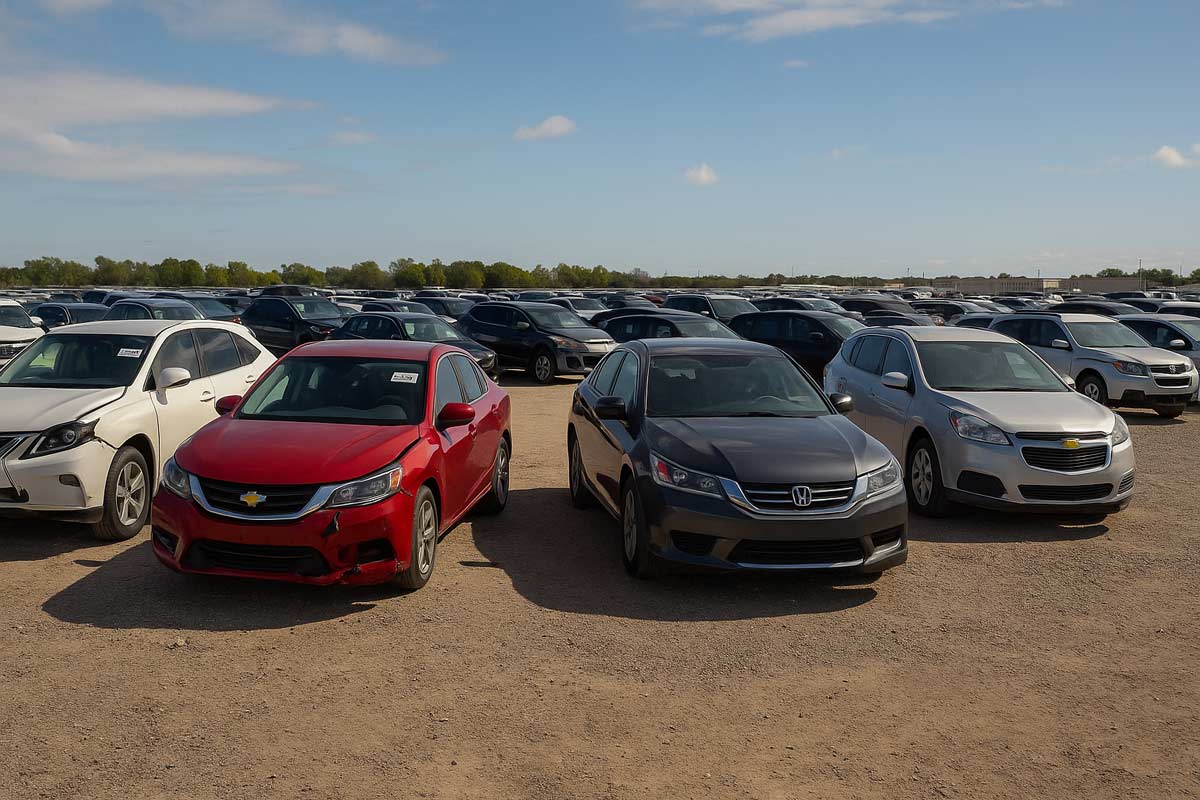
What Is a Salvage Title?
A salvage title is issued by a state’s Department of Motor Vehicles (DMV) when a car has sustained significant damage—often from an accident, theft, natural disaster, or other costly incident—that results in the vehicle being declared a total loss by an insurance company.
Typically, this means:
- The repair costs exceed a percentage of the vehicle’s actual cash value (ACV)—often 75% or more.
- The car may no longer be deemed safe or economical to repair without proper inspection or re-certification.
The difference between a clear title and a salvage title plays a major role in vehicle valuation. Learn more in our guide: Clear vs Salvage Titles: What Every Car Buyer Should Know.
Primary Reasons a Car Gets a Salvage Title
1. Collision Damage That Exceeds Value
Major accidents are the leading cause. When airbags deploy, the frames bend, and engine or transmission components can be damaged or destroyed; in such cases, insurers often declare the vehicle a total loss.
Typical signs include:
- Front-end or rear-end impact
- Bent frame or chassis
- Crumple zone damage
- Engine misalignment
Even if the vehicle is still drivable, the insurance company may choose to cut losses by branding the title and issuing a payout.
2. Flood or Water Damage
Flooded vehicles pose a hazard due to potential electrical system failures, mold contamination, and hidden rust.
Flood damage salvage titles may stem from:
- Hurricanes and tropical storms
- Overflowing rivers or sewers
- Broken water mains
- Vehicles submerged for extended periods
Note: Many flood-damaged vehicles may appear cosmetically clean but often suffer from severe internal corrosion.
To understand who typically purchases them and why, see our article on Who Buys Flood-Damaged Cars and Why.
3. Fire or Heat Damage
Even if only part of a car is burned, fire exposure can compromise its structural integrity, wiring harness, and interior safety features.
Common causes:
- Engine fires
- Electrical shorts
- Wildfires
- Garage or building fires
Vehicles with interior burn marks, melted plastic, or a smoky odor may also be marked as total loss by insurers.
4. Theft Recovery with Significant Damage
If a car is stolen and not recovered quickly—or is recovered in a vandalized or stripped condition—it may receive a salvage title.
Scenarios include:
- Vehicles recovered with missing wheels, doors, or interior parts
- Recovered cars after joyrides with crash damage
- Waterlogged from being dumped in lakes or rivers
Some states issue branding such as “Clean,” “Rebuilt Theft,” or “Recovered Theft” specifically for these cases.
5. Hail Damage Beyond Repair Cost
In hail-prone states, vehicles can be written off due to hundreds of dents that require paintless dent removal (PDR) or full panel replacements. Hail-damaged vehicles may still run perfectly, but aesthetic damage can be severe:
- Cracked windshields
- Dented roof, hood, or trunk
- Depreciated resale value
Some insurance companies will salvage the title based solely on the cost of cosmetic repairs.
6. Vandalism or Civil Unrest Damage
Graffiti, smashed windows, slashed tires, and destroyed interiors from vandalism or riots can all lead to a salvage declaration.
Damage types may include:
- Spray paint or acid on the paintwork
- Interior damage from fires or tools
- Cut wires or destroyed dashboards
While some states allow rebranded “Vandalized” titles, most still classify them as salvage due to repair costs.
7. Non-Repairable or Parts-Only Classification
A vehicle deemed “junk” or “non-repairable” is permanently barred from road use.
Examples:
- Severe frame separation
- Burnt-out shells
- Rolled-over vehicles with roof collapse
- Vehicles used exclusively for parts resale
These vehicles are often sold strictly for scrap metal, parts harvesting, or export. Even totaled cars can be a goldmine for resale or DIY repairs. Discover the valuable parts you can salvage from a totaled car.
Additional Triggers for Salvage Title Assignment
| Trigger Type | Description |
|---|---|
| Insurance Claim Denials | Disputes or late reports may force the insurer to avoid covering repair. |
| Towing and Storage Fees | Accumulated impound or storage costs may exceed the vehicle’s worth. |
| Fraud or VIN Tampering | If odometer rollback or title-washing is discovered, a salvage title may follow. |
Curious about the different classifications beyond salvage? Explore all 10 vehicle title types explained to fully understand what each title status means.
How Repairable Are Salvage Vehicles?
Not all salvage cars are created equal.
- Easily Restorable: Cosmetic-only or light bodywork (e.g., hail damage, minor fender benders)
- Mechanically Intensive: Engine rebuilds, drivetrain replacements
- Structurally Compromised: Frame damage, alignment issues, rollovers
- Electrically Complex: Flooded EVs, shorted computer systems
Before purchasing, always inspect the vehicle in person or through a certified third-party inspection.
Can Salvage Cars Be Re-Titled?
Yes, with repairs and a proper inspection, most salvage vehicles can qualify for a Rebuilt Title after the reconstruction process, though the rules vary by state.
Steps typically include:
- Submitting before-and-after photos
- Providing receipts for all parts and labor
- Passing a branded title inspection
- Paying all applicable DMV fees
A rebuilt title never entirely erases the salvage history—it only signifies that the vehicle is roadworthy. If you’ve completed all necessary repairs, here’s how you can begin removing a salvage title and restoring road legality.
Salvage Title Process Flow
| Step | Action | Next Step |
|---|---|---|
| 1 | Damage Occurs | Insurance Evaluates |
| 2 | Insurance Evaluates | Declared Total Loss (if Cost > ACV) |
| 3 | Declared Total Loss | DMV Issues Salvage Title |
| 4 | DMV Issues Salvage Title | Owner Decides to Repair? |
| 5 | Owner Repairs | Reinspection Required |
| 6 | Reinspection Completed | Rebuilt Title Issued |
| 5 (alt) | Owner Does Not Repair | Sold as Salvage at Auction |
Should You Buy a Salvage Title Vehicle?
Pros:
- Lower purchase price (30–50% below clean title equivalents)
- Unique access to rare or exotic models
- Customization freedom for DIYers and rebuilders
Cons:
- Limited financing or insurance coverage
- Lower resale value
- Risk of hidden damage
- State restrictions on registration or export
Best suited for:
- Mechanics or rebuilders
- Exporters often target countries with looser title regulations and cheaper labor
- Budget-conscious buyers familiar with risks
Not everyone can participate in all types of online auctions. If you’re unsure of your eligibility, check out Who Can Buy at Online Car Auctions?.
Final Thoughts: Buy Smart, Inspect First
Understanding why a car has a salvage title is the first step toward making a confident purchase. Whether the damage is cosmetic, mechanical, or catastrophic, the source of the title branding should always be evaluated before bidding.
At RideSafely, we provide transparent access to:
- Salvage title history
- Damage photos
- Auction records
- VIN checks and more
We encourage all buyers to do their homework and use certified inspectors when in doubt.
Salvage Title Basic FAQs
What Is a Salvage Title?
A salvage title is issued when a vehicle has been damaged to the point where the cost of repairs exceeds a significant percentage of its value—typically 75% or more. It means the car has been deemed a total loss by an insurance company.
Can You Drive a Car with a Salvage Title?
No, you cannot legally drive a car with a salvage title until it has been repaired and passes a state inspection. After that, it may qualify for a rebuilt title, which allows legal road use.
What Are the Main Reasons Cars Get Salvage Titles?
The most common reasons include:
- Major accident or collision damage
- Flood or water exposure
- Fire damage
- Theft recovery with missing parts
- Hail damage
- Severe vandalism
- Non-repairable structural issues
Is It Safe to Buy a Car with a Salvage Title?
It can be safe—if the vehicle has been properly repaired and inspected. However, buyers should exercise caution, verify the quality of the repairs, and have the vehicle inspected by a certified mechanic before purchasing.
Can a Salvage Title Be Removed?
You can’t remove a salvage title, but you can convert it into a rebuilt title by completing required repairs and passing a branded title inspection in your state.
Do Salvage Cars Have Lower Resale Value?
Yes. Salvage or rebuilt title vehicles generally have 20–30% lower resale value compared to clean title cars due to their damage history and perceived risk.
What People Are Saying

You might also like
https://auction.ridesafely.com/images/2026/10/actual-vs-not-actual-mileage-banner.jpg
865
1440
RideSafely
/images/2025/01/ridesafely-logo.svg
RideSafely2026-10-06 14:31:302026-10-13 13:22:41Actual Mileage vs Not Actual Mileage at Car Auctions https://auction.ridesafely.com/images/2026/09/auction-car-with-no-keys-buyer-guide-banner.jpg
865
1440
RideSafely
/images/2025/01/ridesafely-logo.svg
RideSafely2026-09-29 12:05:282026-10-06 13:50:49Auction Cars With No Keys What to Know Before You Bid
https://auction.ridesafely.com/images/2026/09/auction-car-with-no-keys-buyer-guide-banner.jpg
865
1440
RideSafely
/images/2025/01/ridesafely-logo.svg
RideSafely2026-09-29 12:05:282026-10-06 13:50:49Auction Cars With No Keys What to Know Before You Bid https://auction.ridesafely.com/images/2026/09/parts-only-salvage-auction-guide-banner.jpg
865
1440
RideSafely
/images/2025/01/ridesafely-logo.svg
RideSafely2026-09-22 12:45:062026-09-22 13:35:34What Does Parts Only Mean at a Salvage Auction?
https://auction.ridesafely.com/images/2026/09/parts-only-salvage-auction-guide-banner.jpg
865
1440
RideSafely
/images/2025/01/ridesafely-logo.svg
RideSafely2026-09-22 12:45:062026-09-22 13:35:34What Does Parts Only Mean at a Salvage Auction? https://auction.ridesafely.com/images/2027/07/auction-damage-codes-banner.jpg
865
1440
RideSafely
/images/2025/01/ridesafely-logo.svg
RideSafely2026-09-15 10:49:542026-09-15 13:09:23How to Decode Auction Damage Codes
https://auction.ridesafely.com/images/2027/07/auction-damage-codes-banner.jpg
865
1440
RideSafely
/images/2025/01/ridesafely-logo.svg
RideSafely2026-09-15 10:49:542026-09-15 13:09:23How to Decode Auction Damage Codes https://auction.ridesafely.com/images/2026/09/popular-salvage-vehicles-by-category-banner.jpg
972
1619
RideSafely
/images/2025/01/ridesafely-logo.svg
RideSafely2026-09-08 11:58:462026-09-08 13:12:02The Most Popular Salvage Vehicles by Category
https://auction.ridesafely.com/images/2026/09/popular-salvage-vehicles-by-category-banner.jpg
972
1619
RideSafely
/images/2025/01/ridesafely-logo.svg
RideSafely2026-09-08 11:58:462026-09-08 13:12:02The Most Popular Salvage Vehicles by Category
Leave a Reply
Want to join the discussion?Feel free to contribute!