 https://auction.ridesafely.com/images/2027/07/auction-damage-codes-banner.jpg
865
1440
RideSafely
/images/2025/01/ridesafely-logo.svg
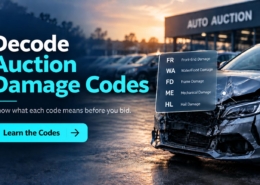
RideSafely2026-09-15 10:49:542026-09-15 13:09:23How to Decode Auction Damage Codes
https://auction.ridesafely.com/images/2027/07/auction-damage-codes-banner.jpg
865
1440
RideSafely
/images/2025/01/ridesafely-logo.svg
RideSafely2026-09-15 10:49:542026-09-15 13:09:23How to Decode Auction Damage CodesBuying a vehicle at auction used to feel like an insider’s game reserved for dealers, wholesalers, and seasoned flippers. That’s changed fast. Public online auto auctions, rising used-car prices, and increased repossession activity have pushed more everyday buyers into the auction market in search of serious savings. Today, two categories dominate the conversation: insurance auction vehicles and bank-repossessed cars.
At first glance, they might seem similar. Both are sold below retail market value. Both can deliver huge savings. Both are commonly found at online auto auctions. But the reality behind these vehicles is completely different. One category usually involves insurance claims, accident histories, or salvage titles. The other often revolves around loan defaults and lender recovery.
That difference matters more than most buyers realize.
A cheap car is not always a smart buy. Some auction vehicles become incredible bargains, saving thousands of dollars. Others quietly turn into financial sinkholes packed with hidden repair costs, title headaches, or long-term reliability problems. Knowing the difference between insurance auctions and bank repo auctions can completely change whether you walk away with a profitable deal or regret sitting in your driveway.
Recent market trends are also reshaping both sectors. Industry reports show rising foreclosure and repossession activity entering 2026, increasing inventory across multiple auction channels. At the same time, online insurance auction inventory continues to expand as insurers move damaged vehicles more quickly through digital marketplaces. Buyers now have more access than ever before, but also more competition and more risk.
How Insurance Auctions Work
Insurance auctions operate like giant liquidation channels for vehicles that insurance companies no longer want to retain. When a vehicle is involved in an accident, flood, theft recovery, hailstorm, fire, or another insured event, the insurer determines whether repairing the vehicle makes financial sense. If the repair costs approach or exceed the vehicle’s market value, the insurer usually declares it a total loss and sends it to auction.
That process creates an enormous marketplace filled with vehicles in wildly different conditions. Some cars have severe structural damage and are useful only for parts. Others may have surprisingly light cosmetic damage but were totaled because of expensive airbags, sensor replacements, or high labor costs. This is why insurance auctions can feel like treasure hunting. Two vehicles sitting side by side may look equally damaged, yet one could require $12,000 in repairs while the other only needs a bumper and headlight.
Modern vehicles have dramatically changed the insurance auction landscape. Advanced driver-assistance systems, radar sensors, lane monitoring equipment, and camera calibration costs make repairs far more expensive than they were a decade ago. A relatively minor front-end collision on a luxury SUV can now trigger a total-loss decision simply because recalibrating technology systems costs too much. That creates opportunities for informed buyers who understand repair economics.
Insurance auctions also move vehicles quickly. Insurance companies are not emotionally attached to inventory. They want to recover losses and free up storage space. That urgency often results in lower pricing than at traditional dealerships. Buyers willing to research repair histories, estimate rebuild costs accurately, and navigate title requirements can secure vehicles at massive discounts compared to retail pricing.
Why Insurance Companies Sell Vehicles at Auction
Insurance carriers are not car dealers. Their business revolves around risk management, claims handling, and financial recovery. Once a payout occurs, the damaged vehicle becomes a recoverable asset. Auctions allow insurers to liquidate those vehicles efficiently while recovering a portion of their claim costs.
This system creates massive inventory flow throughout the year. Storm seasons, floods, hail events, theft spikes, and accident trends all influence auction inventory levels. In some regions, severe weather can suddenly flood the market with thousands of damaged vehicles in a matter of weeks. Experienced buyers monitor these cycles closely because they can dramatically affect pricing and competition.
One overlooked factor is how insurers classify damage. A vehicle may appear lightly damaged visually but still receive a salvage designation because of state regulations, diminished value calculations, or repair thresholds. This is where knowledge becomes power. Buyers who understand local title laws and repair standards often find exceptional opportunities that others ignore out of fear.
Common Vehicle Conditions Found in Insurance Auctions
Insurance auction inventory ranges from nearly new vehicles with cosmetic damage to heavily destroyed units suitable only for dismantling. Common categories include:
| Vehicle Type | Typical Cause | Risk Level | Potential Value |
|---|---|---|---|
| Collision Damage | Front or rear accidents | Moderate to High | Excellent if repairs are manageable |
| Theft Recovery | Recovered stolen vehicles | Moderate | Often strong value |
| Hail Damage | Severe weather | Low to Moderate | Great cosmetic repair opportunities |
| Flood Damage | Hurricanes or flooding | Extremely High | Very risky long-term |
| Fire Damage | Engine or cabin fires | High | Often parts-only value |
Flood cars deserve special caution. Electrical systems in modern vehicles are deeply interconnected. Water damage can trigger endless electronic failures months after purchase, which is why many experienced buyers study flood vehicles before bidding.
Salvage Titles vs Rebuilt Titles
One of the biggest misunderstandings among auction buyers involves title branding. A salvage title usually means the vehicle has been declared a total loss and has not yet passed required inspections for road use. A rebuilt title means repairs were completed and state inspection requirements were satisfied.
That distinction affects financing, insurance availability, resale value, and registration rules. Salvage vehicles are usually cheaper upfront but involve more paperwork, inspections, and uncertainty. Rebuilt vehicles cost more but may already be legally road-ready depending on the state.
Buyers who ignore the implications of the title often face unpleasant surprises. Some lenders refuse financing on rebuilt titles. Certain insurance companies limit coverage options. Resale values also remain lower than those of clean-title vehicles even after excellent repairs. Understanding those long-term implications matters as much as winning the auction itself.
How Bank Repo Auctions Work
Bank repossession auctions work very differently. These vehicles are usually recovered after owners fail to make loan payments. Banks, credit unions, and finance companies repossess the vehicle and then sell it through wholesale or public auction channels to recover outstanding loan balances.
Unlike insurance auction vehicles, repo cars are usually not there because of accident damage. In many cases, they still carry clean titles and may appear fully operational. That alone makes repo auctions extremely attractive to buyers seeking affordable transportation without the complications of salvage history.
The growing repossession market has become a major topic entering 2026. Analysts report increasing delinquency rates and rising repo inventory across wholesale markets. Some industry observers believe this surge may put downward pressure on used-vehicle pricing over the next several years as lenders liquidate growing inventories.
That sounds like fantastic news for buyers, and in many ways it is. Repo auctions increasingly contain newer vehicles with modern features, lower mileage, and relatively recent model years. Many repossessions involve cars financed during periods of inflated vehicle pricing and long-term loans. When borrowers fall behind, those vehicles are returned to lenders surprisingly early in their lifecycles.
Still, repo vehicles pose unique risks.
Why Banks Repossess Vehicles
Repossession typically occurs after repeated missed payments. Lenders eventually recover the vehicle to minimize financial losses. Their goal is simple: liquidate the asset quickly and recover as much of the unpaid loan balance as possible.
That urgency can benefit buyers because banks are not trying to maximize retail profits. They want fast recovery and reduced holding costs. Repo auctions, therefore, often feature aggressive pricing compared to dealership inventory.
Economic conditions also heavily influence repossession trends. Rising interest rates, inflation pressures, and extended auto loan terms have increased financial strain on many borrowers. Reports entering 2026 suggest lenders are seeing elevated repossession activity, particularly among subprime borrowers.
Typical Condition of Repo Cars
Repo vehicles are usually cleaner and more road-ready than insurance auction units, but appearances can be deceiving. Some repossessed vehicles were meticulously maintained by owners who faced financial hardship. Others suffered neglect because struggling borrowers skipped maintenance while trying to survive monthly payments.
This inconsistency creates the biggest challenge in repo buying.
A clean interior and shiny paint do not guarantee mechanical health. Some owners stop servicing their vehicles months before repossession. Oil changes, tire replacements, brake maintenance, and fluid servicing may have been ignored entirely. That hidden neglect can create major repair expenses later.
Hidden Maintenance Risks in Repo Vehicles
One of the most common myths about repo cars is that they are automatically better than insurance auction vehicles. In reality, neglected damage can become just as expensive as collision damage.
Consider this scenario. A repossessed luxury SUV looks perfect during inspection. The body is clean, the mileage is reasonable, and the title is clean. Sounds ideal, right? Then the buyer discovers overdue transmission servicing, worn suspension components, neglected turbo maintenance, and severely worn tires. Suddenly, thousands of dollars disappear into deferred repairs.
Some repossessed owners also intentionally damage vehicles before surrender. Missing keys, removed electronics, damaged interiors, or sabotaged wiring occasionally appear in repo inventory. These situations are not the norm, but experienced buyers know they happen.
Major Differences Between Insurance Auctions and Bank Repos
Insurance auctions and bank repos may both involve discounted vehicles, but they operate under completely different risk models.
Insurance auction buyers primarily gamble on repair complexity. Bank repo buyers gamble on maintenance history. Buyers researching damage severity carefully often make far smarter bidding decisions before committing to a vehicle.
That distinction changes everything from bidding strategy to long-term ownership expectations.
Vehicle Condition Comparison
Insurance auction vehicles often have visible damage. Buyers can usually identify collision points, flood indicators, or cosmetic issues relatively quickly. The uncertainty comes from hidden structural or electronic problems beneath the surface.
Repo cars present the opposite challenge. They may look excellent on the outside while hiding years of missed maintenance underneath. That hidden risk is harder to identify during limited auction inspections.
| Factor | Insurance Auctions | Bank Repos |
|---|---|---|
| Title Status | Often salvage/rebuilt | Usually clean |
| Visible Damage | Common | Less common |
| Hidden Mechanical Risk | Moderate to High | Moderate to High |
| Repair Costs | Often immediate | Often delayed |
| Insurance Complexity | Limited premium after rebuild | Lower |
| Financing Availability | Limited | Easier |
| Resale Value | Reduced | Stronger |
Pricing and Market Value Differences
Insurance auctions generally offer lower starting prices because buyers assume greater risk. Salvage branding alone significantly reduces market value even after professional repairs.
Repo vehicles usually command higher auction prices because clean titles and a normal appearance attract a broader buyer pool. Retail dealers frequently target repos for resale inventory, increasing competition.
Still, both markets can offer enormous savings compared to dealership retail pricing. Buyers who research thoroughly often secure vehicles thousands below market value.
Financing and Payment Requirements
Auction buying is not like walking into a dealership. Many auctions require immediate payment or large deposits within short timeframes. Insurance auctions especially tend to favor cash buyers because financing salvage vehicles is difficult.
Repo auctions sometimes offer more flexibility because lenders and finance companies view clean-title vehicles more favorably. Buyers with strong credit may find financing options available depending on auction platform rules and vehicle condition.
Pros and Cons of Insurance Auctions
Insurance auctions can create incredible opportunities for buyers who understand repairs, vehicle valuation, and title regulations. They also create catastrophic mistakes for buyers who chase low prices without understanding true ownership costs.
Biggest Advantages
The biggest advantage is simple: pricing.
Insurance auction vehicles often sell at dramatically below-market prices. Skilled buyers who can handle repairs efficiently can secure substantial equity immediately after rebuild completion. Some vehicles only need cosmetic work despite being classified as total losses.
There is also tremendous inventory variety. Sports cars, trucks, luxury SUVs, EVs, motorcycles, and specialty vehicles are constantly featured. Buyers searching for rare configurations or high-end models often find inventory unavailable through traditional dealerships.
For exporters, rebuilders, and flippers, insurance auctions can become highly profitable business channels. Many professionals specifically target lightly damaged vehicles because retail buyers frequently overestimate repair severity.
Biggest Risks
The downside is risk concentration.
One bad purchase can wipe out profits from multiple successful deals. Hidden frame damage, airbag system issues, electrical failures, or title complications can quickly turn “cheap” cars into expensive liabilities.
Flood vehicles deserve especially serious caution. Water intrusion affects electronics, connectors, modules, and wiring harnesses in unpredictable ways. Problems sometimes emerge months after repairs appear complete.
Insurance availability and resale value also remain ongoing challenges. Even perfectly repaired vehicles with rebuilt titles usually sell permanently below clean-title market value.
Pros and Cons of Bank Repo Auctions
Repo auctions feel safer to many buyers because vehicles often retain clean titles and look road-ready. In many situations, that assumption proves correct. In others, it creates dangerous overconfidence.
Biggest Advantages
The strongest advantage is a cleaner ownership history.
Most repo vehicles avoid salvage branding entirely. That improves financing, insurance, resale value, and long-term ownership flexibility. Buyers who want affordable transportation for personal use often prefer repos because they avoid title complications.
Another advantage involves modern inventory. Recent repossession trends show increasing numbers of late-model vehicles entering auctions due to rising delinquency rates. Buyers can often find relatively new vehicles with desirable technology and safety features at significant discounts.
Biggest Risks
Maintenance neglect remains the biggest hidden danger.
Financially stressed owners sometimes delay servicing for extended periods before repossession. A vehicle may appear excellent cosmetically while carrying expensive mechanical wear internally.
Competition is also typically stronger in repo auctions. Dealers actively target clean-title repo inventory because resale is easier and consumer demand remains strong. That can drive prices upward quickly.
Some buyers also assume that repos are automatically bargains. That mindset leads to emotional bidding wars, where vehicles sell too close to retail. Smart auction buyers stay disciplined and calculate total ownership costs carefully before bidding.
Which Auction Type Is Better for Different Buyers
There is no universal winner between insurance auctions and bank repos. The better option depends entirely on the buyer’s goals, skills, and risk tolerance.
Best Choice for Personal Use Buyers
For most everyday drivers, bank repos are usually safer.
Clean titles simplify ownership dramatically. Insurance coverage is easier. Financing options improve. Registration headaches decrease. Resale value stays stronger. Buyers looking for dependable transportation without major repair projects often find repo auctions more practical.
That said, inspection discipline still matters. A neglected repo can become just as financially painful as a badly repaired salvage car.
Best Choice for Resellers and Flippers
Insurance auctions often create greater upside potential for experienced flippers and rebuilders.
Why? Because fear creates discounts.
Many buyers avoid salvage inventory automatically. That reduced competition creates opportunities for knowledgeable professionals who understand repair economics accurately. Buyers capable of sourcing affordable parts, managing bodywork, and navigating rebuilt title inspections can unlock significant profit margins.
Still, successful flippers rely heavily on accurate estimates. Overpaying for a heavily damaged vehicle quickly destroys profitability.
Bidding Strategies for Both Auction Types
Auction success rarely comes from luck. It comes from discipline, research, and emotional control. Many experienced buyers rely on proven bidding strategies to avoid emotional overbidding and maximize value.
One of the smartest strategies is to set a maximum bid before the auction begins and refuse to exceed it. Auction environments trigger adrenaline and competitive instincts fast. Buyers frequently overbid because they become emotionally attached during bidding wars.
Vehicle history reports also matter enormously. VIN checks reveal accident history, title branding, odometer inconsistencies, service records, and prior auction appearances. A few minutes of research can prevent thousands in future losses.
Inspection priorities should also differ by auction type:
| Auction Type | Critical Inspection Focus |
|---|---|
| Insurance Auctions | Structural damage, airbags, flood indicators |
| Bank Repos | Maintenance history, engine condition, tire wear |
Transportation costs matter too. Many buyers focus solely on the hammer price, ignoring shipping fees, storage charges, auction fees, taxes, and repair expenses. Total acquisition cost determines whether a purchase actually makes financial sense.
Experienced buyers also understand market timing. Rising repossession inventory entering 2026 may create stronger buyer leverage as lenders move increasing volumes into auctions. Patience can sometimes save thousands.
Conclusion
Insurance auctions and bank repo auctions both offer powerful opportunities to buy vehicles at below-retail prices, but they reward very different skill sets.
Insurance auctions favor buyers comfortable with repair analysis, rebuild projects, and title complexity. They can produce enormous savings and excellent flipping opportunities, but they also carry higher structural, electrical, and resale risks.
Bank repo auctions usually provide cleaner ownership paths with easier financing and insurance options. They appeal strongly to personal-use buyers seeking affordable vehicles without salvage issues. Still, hidden maintenance neglect can quietly transform an apparently clean repo into an expensive mistake.
The smartest buyers approach both markets with the same mindset: research first, emotions second.
A cheap auction car means nothing if repair bills erase the savings. But when you understand how these auction channels work, inspect carefully, calculate total costs honestly, and bid strategically, auctions can unlock deals traditional dealerships cannot match.
Frequently Asked Questions
Are insurance auction cars always salvage title vehicles?
No. While many insurance auction vehicles carry salvage titles, some may retain clean titles under state laws, depending on the severity of the damage or the circumstances of the theft recovery. Always verify the title status before bidding.
Are bank repo cars usually in better condition than insurance auction cars?
Not necessarily. While some insurers limit coverage options or offer only liability policies, specialty insurers often provide coverage for vehicles with rebuilt titles.
Can you finance auction vehicles?
Financing availability depends on the vehicle type, title status, lender policies, and auction platform. Clean-title repo vehicles are generally easier to finance than salvage-title insurance auction vehicles.
Which auction type offers the biggest savings?
Insurance auctions usually provide deeper discounts because buyers assume higher repair and title risks. Bank repos often sell closer to market value due to cleaner titles and stronger buyer demand.
What is the biggest mistake auction buyers make?
The biggest mistake is focusing only on purchase price while ignoring total ownership costs. Repairs, transportation, auction fees, title issues, and hidden maintenance can dramatically increase actual expenses.
What People Are Saying

You might also like
https://auction.ridesafely.com/images/2027/07/auction-damage-codes-banner.jpg
865
1440
RideSafely
/images/2025/01/ridesafely-logo.svg
RideSafely2026-09-15 10:49:542026-09-15 13:09:23How to Decode Auction Damage Codes https://auction.ridesafely.com/images/2026/09/popular-salvage-vehicles-by-category-banner.jpg
972
1619
RideSafely
/images/2025/01/ridesafely-logo.svg
RideSafely2026-09-08 11:58:462026-09-08 13:12:02The Most Popular Salvage Vehicles by Category
https://auction.ridesafely.com/images/2026/09/popular-salvage-vehicles-by-category-banner.jpg
972
1619
RideSafely
/images/2025/01/ridesafely-logo.svg
RideSafely2026-09-08 11:58:462026-09-08 13:12:02The Most Popular Salvage Vehicles by Category https://auction.ridesafely.com/images/2026/09/front-end-damage-cars-at-auction-worth-buying.jpg
865
1440
RideSafely
/images/2025/01/ridesafely-logo.svg
RideSafely2026-09-01 12:39:592026-09-01 13:10:42Front-End Damage Cars at Auction: Worth Buying?
https://auction.ridesafely.com/images/2026/09/front-end-damage-cars-at-auction-worth-buying.jpg
865
1440
RideSafely
/images/2025/01/ridesafely-logo.svg
RideSafely2026-09-01 12:39:592026-09-01 13:10:42Front-End Damage Cars at Auction: Worth Buying? https://auction.ridesafely.com/images/2026/08/rear-end-damage-cars-banner.jpg
865
1440
RideSafely
/images/2025/01/ridesafely-logo.svg
RideSafely2026-08-25 11:10:002026-08-25 13:29:41Rear-End Damage Cars: Easier to Repair Than You Think?
https://auction.ridesafely.com/images/2026/08/rear-end-damage-cars-banner.jpg
865
1440
RideSafely
/images/2025/01/ridesafely-logo.svg
RideSafely2026-08-25 11:10:002026-08-25 13:29:41Rear-End Damage Cars: Easier to Repair Than You Think? https://auction.ridesafely.com/images/2026/08/best-us-car-auctions-overseas-buyers-banner.jpg
865
1440
RideSafely
/images/2025/01/ridesafely-logo.svg
RideSafely2026-08-18 12:42:212026-08-18 13:53:28Best U.S. Car Auctions for Overseas Buyers
https://auction.ridesafely.com/images/2026/08/best-us-car-auctions-overseas-buyers-banner.jpg
865
1440
RideSafely
/images/2025/01/ridesafely-logo.svg
RideSafely2026-08-18 12:42:212026-08-18 13:53:28Best U.S. Car Auctions for Overseas BuyersYour RideSafely Questions, Answered
From auction to driveway — we’ve got you covered.
Leave a Reply
Want to join the discussion?Feel free to contribute!